
 EN
 AR
 CS
 DA
 NL
 FI
 FR
 DE
 EL
 IT
 JA
 KO
 NO
 PL
 PT
 RO
 RU
 ES
 TL
 ID
 SK
 SL
 UK
 VI
 TH
 TR
 AF
 MS
 SW
 GA
 CY
 BE
 KA
 LO
 LA
 MI
 MR
 MN
 NE
 UZ

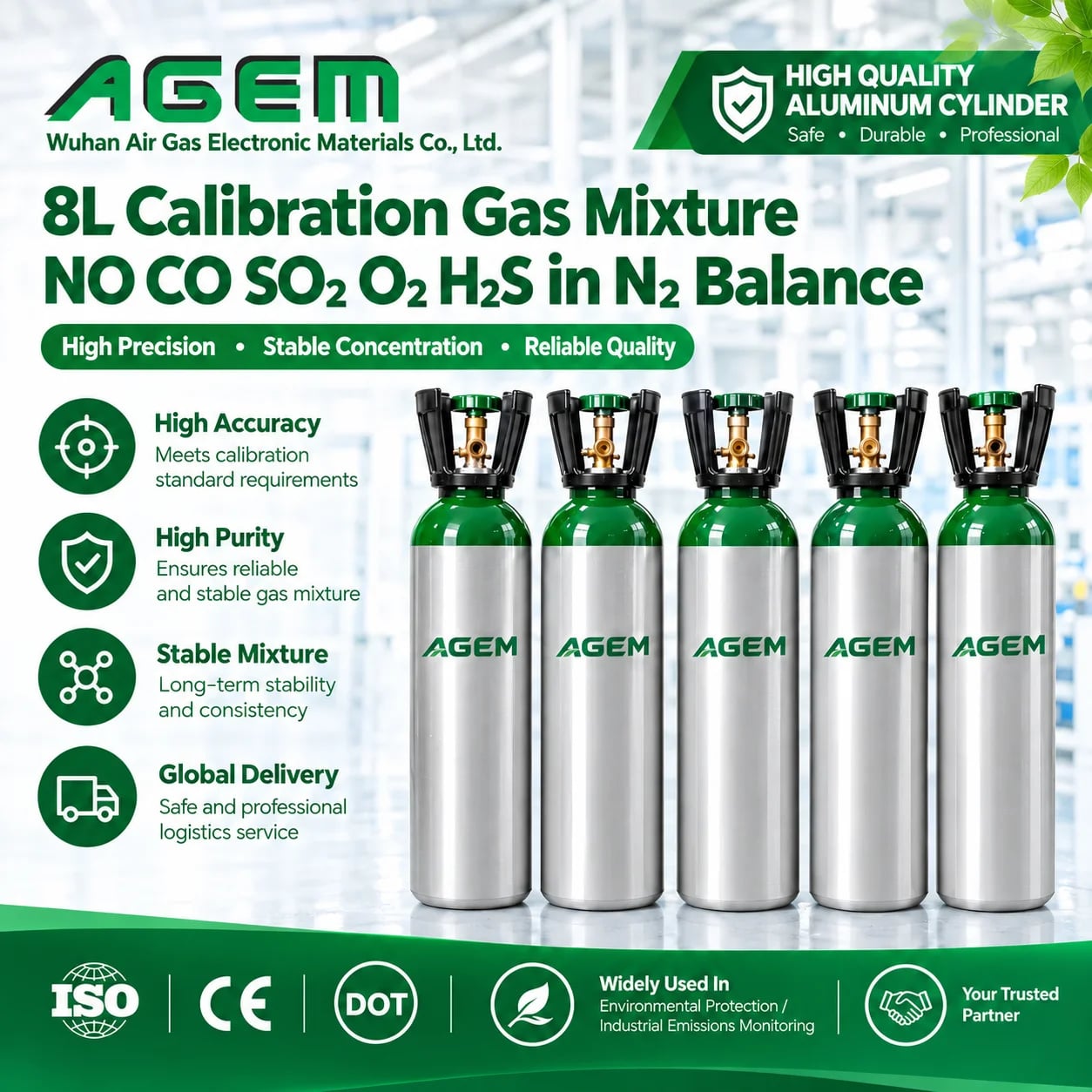
5 Common Mistakes to Avoid When Handling and Storing Hazardous Calibration Gas
Handling compressed high-pressure cylinders requires strict adherence to environmental safety protocol. On October 20, 2026, published this safety operational review highlighting 5 common storage mistakes made when managing hazardous calibration gas cylinders. Avoiding these operational errors prevents workplace accidents, avoids regulatory penalties, and safeguards gas mixture integrity over time.
Mistake 1: Storing Reactive Gases in Direct Sunlight or High Heat
Exposing gas cylinders to elevated temperatures increases internal cylinder pressure beyond safe thresholds and accelerates active gas degradation.
Mistake 2: Failing to Secure Cylinders in an Upright Position
Unsecured cylinders can tip over, snapping off valve assemblies and converting pressurized cylinders into dangerous projectiles. Always use wall clamps or cylinder stands.
Mistake 3: Using Incompatible Regulator Materials
Attaching nickel-plated brass regulators to highly corrosive gases like Chlorine (Cl2) or Hydrogen Chloride (HCl) leads to internal corrosion and sudden regulator failure.
Mistake 4: Over-Tightening Regulator Valves
Over-tightening C-10 threaded connections damages soft internal rubber/PTFE gaskets, leading to dangerous leaks during calibration routines.
Mistake 5: Storing Expired Cylinders alongside Active Safety Inventory
Leaving expired cylinders in service racks leads technicians to mistakenly calibrate field equipment with degraded gas. Segment and label expired units immediately.
Safety Storage Protocol vs. Dangerous Practices
|
Hazard Category |
Safe Operating Practice |
Dangerous Misstep |
|---|---|---|
|
Storage Location |
Well-ventilated, temperature-controlled room |
Direct sunlight, unventilated vehicles |
|
Securing Method |
Wall brackets, floor stands, safety chains |
Loose on workbenches or floor racks |
|
Segregation |
Separate flammable (UN1954) & inert gases |
Mixing reactive gases with oxidizers |
Customer FAQs
Q: How should I dispose of empty non-refillable calibration gas cylinders?
A: Once completely depressurized using a recycling tool, puncture the safety disk and recycle the empty aluminum/steel container as scrap metal. Download our Cylinder Recycling and Disposal Guide.
Q: Are small non-refillable cylinders exempt from OSHA storage rules?
A: No. Small cylinders are subject to standard compressed gas storage regulations under OSHA standards.
Table of Contents
- 5 Mistakes to Avoid Handling Hazardous Calibration Gas | Safety
- 5 Common Mistakes to Avoid When Handling and Storing Hazardous Calibration Gas
- Mistake 1: Storing Reactive Gases in Direct Sunlight or High Heat
- Mistake 2: Failing to Secure Cylinders in an Upright Position
- Mistake 3: Using Incompatible Regulator Materials
- Mistake 4: Over-Tightening Regulator Valves
- Mistake 5: Storing Expired Cylinders alongside Active Safety Inventory
- Safety Storage Protocol vs. Dangerous Practices
- Customer FAQs