
 EN
 AR
 CS
 DA
 NL
 FI
 FR
 DE
 EL
 IT
 JA
 KO
 NO
 PL
 PT
 RO
 RU
 ES
 TL
 ID
 SK
 SL
 UK
 VI
 TH
 TR
 AF
 MS
 SW
 GA
 CY
 BE
 KA
 LO
 LA
 MI
 MR
 MN
 NE
 UZ

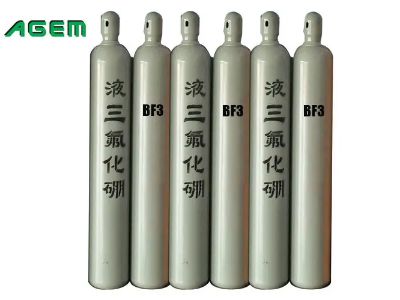
Boron trifluoride (BF) gas is a critical component in the semiconductor industry, particularly known for its applications in doping processes and catalysis. As a professional in B2B procurement, you may have several concerns, including the gas's purity, suitability for specific applications, and safety during handling. This article will delve into the key applications of boron trifluoride, guide you in selecting high-quality gas for doping, discuss optimal performance in catalysis, and ensure safe use. Additionally, we will address critical factors for wholesale buyers to consider when sourcing this essential gas.
What Are the Key Applications of Boron Trifluoride in Semiconductors?
Boron trifluoride is primarily utilized in the semiconductor industry as a doping agent. Doping is the process of introducing impurities into a semiconductor to modify its electrical properties. BF gas effectively alters the conductivity of materials like silicon and germanium, making them more efficient for electronic applications.
In addition to its role in doping, boron trifluoride serves as a catalyst in various chemical reactions. Its ability to form stable complexes with various organic compounds enhances reaction rates, making it invaluable in the production of electronic materials. This dual functionality underscores the importance of boron trifluoride gas in semiconductor manufacturing, where precision and efficiency are paramount.
How to Choose High-Quality Boron Trifluoride for Doping Processes?
Selecting high-quality boron trifluoride is crucial for achieving optimal results in doping processes. Here are several key factors to consider during your selection:
Purity Level: The purity of boron trifluoride directly affects the electrical properties of the doped semiconductor. Look for gases with a purity level of at least 99.99% to minimize contamination risks.
Source and Supplier Reputation: Partnering with a reputable supplier, such as AIR GAS ELECTRONIC MATERIALS (AGEM), ensures that you receive consistent quality and reliable technical support. A supplier's experience in the industry can also provide insights into best practices for using BF gas effectively.
Storage and Packaging: Boron trifluoride is typically stored in high-pressure cylinders. Ensure that your supplier adheres to stringent safety standards in packaging and transportation. Check for proper labeling and certification to confirm compliance with safety regulations.
Customization Capabilities: If your application has specific requirements, verify whether the supplier can customize the gas according to your needs, such as adjusting purity levels or packaging sizes.
Sample Approval: Before placing a large order, request a sample of the boron trifluoride. Testing a sample allows you to assess its performance in your specific doping application, ensuring that it meets your standards.
Ensuring Optimal Performance in Catalysis
In catalysis, boron trifluoride acts as a Lewis acid, facilitating a wide range of chemical reactions. To ensure optimal performance in catalytic applications, consider the following:
Concentration and Dosage: The effectiveness of BF gas in catalysis often depends on its concentration. Conduct preliminary tests to determine the optimal dosage for your specific reaction conditions.
Compatibility with Other Chemicals: Assess the interaction of boron trifluoride with other chemicals in your process. Some compounds may react unfavorably with BF gas, affecting both the reaction efficiency and the quality of the final product.
Environmental Conditions: The performance of boron trifluoride can vary with changes in temperature and pressure. Ensure that your reaction conditions are stable and within the recommended ranges to maintain the effectiveness of the catalyst.
Quality Control Processes: Utilize rigorous quality control processes to monitor the performance of boron trifluoride in your catalytic applications. Regular testing and validation can help identify any deviations that may impact productivity.
Ensuring Safe Use and Handling
Handling boron trifluoride requires adherence to strict safety protocols due to its highly reactive nature. Here are essential safety considerations:
Personal Protective Equipment (PPE): All personnel should wear appropriate PPE, including gloves, goggles, and protective clothing, when handling boron trifluoride. This minimizes exposure risks during gas transfer or cylinder changes.
Ventilation: Ensure that workspaces are well-ventilated to prevent the accumulation of gas. Implementing fume hoods or exhaust systems can help manage potential exposure.
Emergency Procedures: Establish clear emergency procedures in case of gas leaks or accidental exposure. Training employees on these protocols can significantly reduce risks associated with handling boron trifluoride.
Storage Practices: Store boron trifluoride cylinders in a cool, dry area away from direct sunlight and incompatible materials. Adhering to proper storage guidelines enhances safety and prolongs the shelf life of the gas.
Key Factors for Wholesale Buyers
When sourcing boron trifluoride, wholesale buyers should consider the following factors to ensure a successful purchasing decision:
Minimum Order Quantity (MOQ): Understand the supplier's MOQ for boron trifluoride. This information is vital for planning your inventory and managing costs effectively.
Lead Time: Inquire about the lead time for delivery. Depending on your production schedule, having a reliable timeline can help prevent delays in your manufacturing processes.
Technical Support: Evaluate the level of technical support available from your supplier. Access to expert guidance can help resolve issues quickly and optimize your usage of boron trifluoride.
Pricing Structure: Discuss the pricing structure with potential suppliers, as costs can vary significantly based on purity, packaging, and order volume. Understanding the pricing model can aid in budgeting and forecasting.
Quality Certifications: Verify if the supplier holds relevant quality certifications. This information can provide reassurance regarding the consistency and reliability of the gas.
By focusing on these factors, you can make informed decisions when sourcing boron trifluoride for your semiconductor doping and catalytic applications.
Table of Contents
- Boron Trifluoride (BF) Gas: Applications in Semiconductor Doping and Catalysis
- What Are the Key Applications of Boron Trifluoride in Semiconductors?
- How to Choose High-Quality Boron Trifluoride for Doping Processes?
- Ensuring Optimal Performance in Catalysis
- Ensuring Safe Use and Handling
- Key Factors for Wholesale Buyers