
 EN
 AR
 CS
 DA
 NL
 FI
 FR
 DE
 EL
 IT
 JA
 KO
 NO
 PL
 PT
 RO
 RU
 ES
 TL
 ID
 SK
 SL
 UK
 VI
 TH
 TR
 AF
 MS
 SW
 GA
 CY
 BE
 KA
 LO
 LA
 MI
 MR
 MN
 NE
 UZ

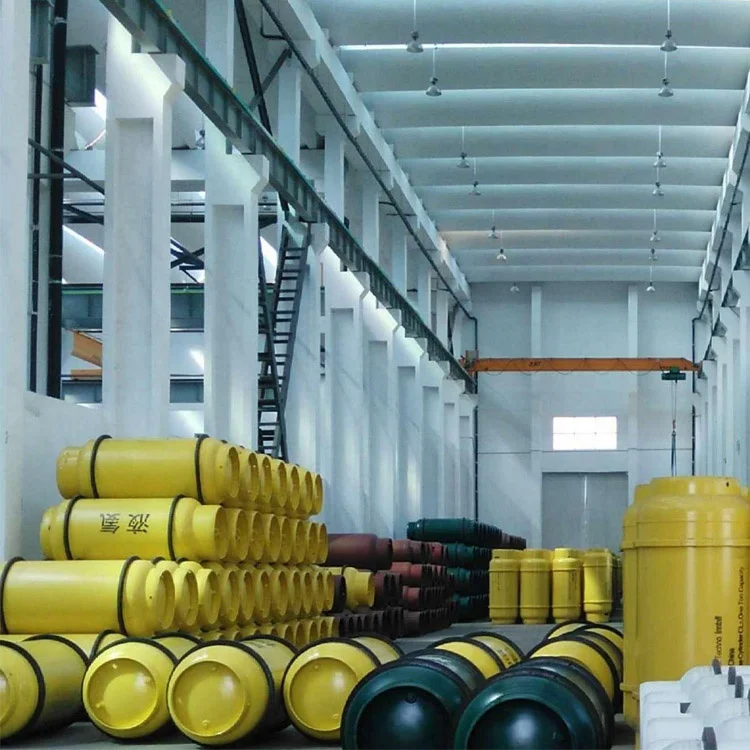
Ammonia gas plays a critical role in two major industrial applications: fertilizer production and industrial refrigeration. Understanding how ammonia gas supports these processes is essential for purchasing managers and decision-makers in industries reliant on these applications. This article will explore how ammonia enhances fertilizer production efficiency, provide guidance on sourcing high-quality ammonia gas, discuss wholesale purchasing considerations, evaluate ammonia anhydrous quality for fertilizer applications, and offer installation guidance for refrigeration systems.
How Ammonia Gas Enhances Fertilizer Production Efficiency?
Ammonia gas is a cornerstone in the production of nitrogen-based fertilizers, such as urea, ammonium nitrate, and ammonium sulfate. The synthesis of ammonia through the Haber-Bosch process combines nitrogen from the atmosphere with hydrogen derived from natural gas, creating a highly efficient way to produce a crucial nutrient for crop growth.
The efficiency of fertilizer production hinges on the purity and concentration of ammonia gas. Higher purity levels result in better yields and fewer impurities that can affect the final product. For instance, impurities can lead to reduced nutrient availability or create byproducts that complicate further processing. Additionally, the ammonia production process requires optimal temperature and pressure conditions, which can be influenced by the quality of the gas used. Ensuring a steady supply of high-quality ammonia gas helps manufacturers optimize their production cycles and maintain consistent product quality.
Where to Source High-Quality Ammonia Gas for Your Operations?
Sourcing high-quality ammonia gas is pivotal for manufacturers looking to maintain efficiency and product integrity. Companies should consider suppliers with a strong reputation for quality control and rigorous testing processes. AIR GAS ELECTRONIC MATERIALS (AGEM) exemplifies this commitment, employing stringent quality control measures to ensure that all gases meet the necessary specifications for industrial applications.
When selecting a supplier, buyers should assess their production capabilities, including the methods used for gas purification and storage. It is also beneficial to inquire about the supplier's certifications, such as ISO standards, which can provide assurance regarding their adherence to industry best practices. Additionally, understanding the supplier's logistics capabilities can help ensure reliable delivery timelines, which is particularly important when managing large production schedules.
Wholesale Purchasing Considerations for Ammonia Gas Supplies
When purchasing ammonia gas in bulk, several factors come into play that can affect both pricing and supply reliability. First, buyers should evaluate the minimum order quantities (MOQ) that suppliers require, as this can impact budgeting and inventory management.
Pricing structures can vary based on contract terms, volume discounts, and payment conditions. Buyers should engage in negotiations to establish the most favorable terms, keeping in mind that long-term contracts might offer savings and stability. Additionally, consider the shipping and handling costs associated with liquid ammonia buy online, as these can significantly impact the total cost of procurement.
Another crucial consideration is the supplier's capacity to provide customized ammonia solutions, such as specific concentrations or mixtures tailored to unique operational needs. This customization can help improve the efficiency of the fertilizer production process and ensure compliance with agricultural regulations.
Evaluating the Quality of Ammonia Gas for Fertilizer Applications
The quality of ammonia gas is a critical aspect that directly affects the efficacy of fertilizer production. Buyers should focus on several quality parameters, including purity levels, moisture content, and the presence of contaminants such as carbon dioxide or sulfur compounds.
Purity is vital; ammonia gas used in fertilizer production should ideally have a purity level of 99.5% or higher. Lower purity levels can lead to inefficiencies in the production process and negatively influence the nutrient profile of the fertilizers produced. Moisture content is another key factor, as excessive moisture can lead to corrosion in storage tanks and affect the performance of downstream processes.
Buyers should also conduct regular quality inspections of supplied ammonia gas, utilizing tests to verify purity and contaminant levels. Establishing a quality assurance protocol with suppliers can help maintain consistent standards and prevent issues that may arise from subpar materials.
Installation Guidance for Ammonia Gas in Refrigeration Systems
Ammonia gas is widely used in industrial refrigeration systems due to its efficiency and low environmental impact compared to synthetic refrigerants. However, proper installation and maintenance are crucial to ensure safe and effective operation.
Before installation, it is essential to evaluate the refrigeration system's design and compatibility with ammonia as a refrigerant. This includes assessing the materials used in piping and components, as ammonia can be corrosive to certain metals. Using compatible materials, such as carbon steel or specialized alloys, can help mitigate risks.
Safety measures must also be prioritized during installation. This includes ensuring proper ventilation in areas where industrial ammonia for sale is present, installing leak detection systems, and training personnel on emergency response protocols. Regular maintenance checks should be implemented to monitor system performance and identify any potential leaks or inefficiencies.
ammonia gas is a vital component in both fertilizer production and industrial refrigeration, offering significant benefits when sourced and utilized correctly. By understanding the nuances of ammonia's applications, buyers can make informed decisions that support their operational goals and ensure product quality.
Table of Contents
- How Does Ammonia Gas Support Fertilizer Production and Industrial Refrigeration?
- How Ammonia Gas Enhances Fertilizer Production Efficiency?
- Where to Source High-Quality Ammonia Gas for Your Operations?
- Wholesale Purchasing Considerations for Ammonia Gas Supplies
- Evaluating the Quality of Ammonia Gas for Fertilizer Applications
- Installation Guidance for Ammonia Gas in Refrigeration Systems