
 EN
 AR
 CS
 DA
 NL
 FI
 FR
 DE
 EL
 IT
 JA
 KO
 NO
 PL
 PT
 RO
 RU
 ES
 TL
 ID
 SK
 SL
 UK
 VI
 TH
 TR
 AF
 MS
 SW
 GA
 CY
 BE
 KA
 LO
 LA
 MI
 MR
 MN
 NE
 UZ

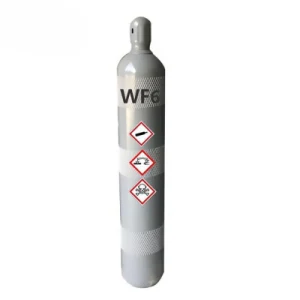
Sulfur hexafluoride (SF6) is a colorless, odorless gas primarily recognized for its application in electrical insulation. However, the industrial applications of sulfur hexafluoride extend far beyond this conventional use. As a B2B buyer, understanding these diverse applications can significantly influence your purchasing decisions. This article will delve into the key industrial applications of sulfur hexafluoride, guide you on sourcing reliable suppliers, address common problems associated with the gas, discuss considerations for bulk ordering, and help you choose the right specifications for your needs.
What Are the Key Industrial Applications of Sulfur Hexafluoride?
Sulfur hexafluoride is utilized across various industries due to its unique properties, including high dielectric strength, thermal stability, and inertness. Here are some significant applications:
Electrical Equipment: Beyond insulating high-voltage circuit breakers and switches, SF6 is used in gas-insulated substations (GIS), where space constraints make traditional insulation methods impractical. Its ability to withstand high voltages makes it vital in preventing electrical discharge.
Medical Imaging: SF6 is employed in ultrasound imaging as a contrast agent. Its low toxicity and stability enhance the quality of imaging, providing clearer visuals for medical diagnostics.
Semiconductor Manufacturing: In the semiconductor industry, sulfur hexafluoride plays a crucial role in plasma etching processes. It helps create precise patterns on silicon wafers, which are essential in fabricating microelectronic devices.
Leak Detection: SF6 is used in leak detection systems for various applications, including vacuum systems and high-pressure equipment. The gas can easily penetrate small leaks, making it an effective tracer.
Tracer Gas in Research: In environmental studies, SF6 is utilized as a tracer gas to study airflow and dispersion in atmospheric sciences. Its persistence in the atmosphere allows researchers to track and analyze gas movement over time.
Understanding these applications can help B2B buyers make informed decisions about the specific type of sulfur hexafluoride they require, based on their operational needs.
Where to Source Reliable Suppliers of Sulfur Hexafluoride Gas?
Finding a dependable supplier for sulfur hexafluoride is crucial for ensuring quality and reliability. Here are some steps to consider when sourcing suppliers:
Industry Reputation: Look for suppliers with a proven track record in the gas manufacturing industry. Research customer testimonials and case studies to gauge their performance.
Quality Certifications: Ensure that suppliers adhere to industry standards and quality control processes. Certifications such as ISO 9001 indicate that a supplier maintains high-quality management practices.
Customization Capabilities: Different applications may require specific concentrations or purities of sulfur hexafluoride. Suppliers that can customize their products based on your specifications may offer a significant advantage.
Testing and Inspection: Choose suppliers who conduct regular inspections and testing of their gases. This is vital for maintaining the integrity and effectiveness of sulfur hexafluoride in its applications.
Global Reach: If your operations span multiple regions, consider suppliers with a global presence. This can ensure consistent quality and availability regardless of location.
By focusing on these factors, buyers can identify reliable suppliers that meet their specific needs for sulfur hexafluoride.
Common Problems with Sulfur Hexafluoride and Their Solutions
While sulfur hexafluoride is widely used, it can present certain challenges. Here are some common issues and their solutions:
Gas Leakage: SF6 is a potent greenhouse gas, and any leakage can have environmental consequences. Regular maintenance and monitoring of equipment can mitigate this risk. Implementing advanced leak detection systems can help identify leaks early.
Handling and Storage: SF6 requires careful handling due to its high density and potential health risks in concentrated amounts. Ensure that personnel are trained in proper handling procedures, and utilize appropriate storage containers that comply with safety regulations.
High Cost: The production of sulfur hexafluoride can be expensive. Buyers should evaluate their supplier options to find competitive pricing while ensuring product quality. Establishing long-term contracts can also help manage costs.
Regulatory Compliance: Ensure compliance with local environmental regulations regarding the use and disposal of SF6. Familiarize yourself with any legislative changes to avoid potential legal issues.
By proactively addressing these problems, buyers can optimize their use of hexafluoropropylene and minimize operational disruptions.
Bulk Order Considerations for Sulfur Hexafluoride Gas Supply
When planning a bulk order of sulfur hexafluoride, several factors should be taken into account to ensure a smooth procurement process:
Minimum Order Quantity (MOQ): Understand the supplier's MOQ as it can vary significantly. Some suppliers may require large minimum orders, which could impact your inventory management.
Delivery Logistics: Coordinate with suppliers regarding shipping methods and delivery timelines. Consider potential delays and plan for them in your operations to avoid disruptions.
Packaging Requirements: SF6 must be packaged properly to maintain its integrity during transit. Confirm that your supplier uses appropriate cylinders or containers that comply with safety standards.
Lead Time: Bulk orders typically have longer lead times. Discuss production schedules with your supplier to ensure that your order is fulfilled in a timely manner.
Quality Assurance: Before finalizing a bulk order, request samples to verify the quality and specifications of the gas. This step is crucial in ensuring that the product meets your operational requirements.
By addressing these considerations, B2B buyers can streamline the bulk ordering process for sulfur hexafluoride.
Choosing the Right Specifications for Sulfur Hexafluoride Applications
Selecting the appropriate specifications for sulfur hexafluoride is critical for its effective application. Here are key considerations to keep in mind:
Purity Levels: Depending on the application, different purity levels may be required. For example, semiconductor manufacturing often demands higher purity SF6 (≥99.99%) compared to electrical insulation applications.
Container Specifications: Ensure that the gas is stored in cylinders that meet relevant safety and performance standards. The choice of material for the cylinder is also important to prevent contamination.
Pressure Ratings: Different applications may require specific pressure ratings. Confirm that the cylinder pressure aligns with your operational needs to avoid any performance issues.
Volume Requirements: Assess your operational volume needs accurately. This will help in determining the right cylinder size and the frequency of your orders.
Regulatory Standards: Ensure that all specifications comply with industry regulations and safety standards. This is particularly important in sectors like healthcare and environmental monitoring.
By carefully evaluating these specifications, buyers can ensure that they select the right type of sulfur hexafluoride for their specific applications, optimizing performance and compliance.
Table of Contents
- What Are the Industrial Applications of Sulfur Hexafluoride (SF) Beyond Electrical Insulation?
- What Are the Key Industrial Applications of Sulfur Hexafluoride?
- Where to Source Reliable Suppliers of Sulfur Hexafluoride Gas?
- Common Problems with Sulfur Hexafluoride and Their Solutions
- Bulk Order Considerations for Sulfur Hexafluoride Gas Supply
- Choosing the Right Specifications for Sulfur Hexafluoride Applications