
 EN
EN
 AR
AR
 CS
CS
 DA
DA
 NL
NL
 FI
FI
 FR
FR
 DE
DE
 EL
EL
 IT
IT
 JA
JA
 KO
KO
 NO
NO
 PL
PL
 PT
PT
 RO
RO
 RU
RU
 ES
ES
 TL
TL
 ID
ID
 SK
SK
 SL
SL
 UK
UK
 VI
VI
 TH
TH
 TR
TR
 AF
AF
 MS
MS
 SW
SW
 GA
GA
 CY
CY
 BE
BE
 KA
KA
 LO
LO
 LA
LA
 MI
MI
 MR
MR
 MN
MN
 NE
NE
 UZ
UZ

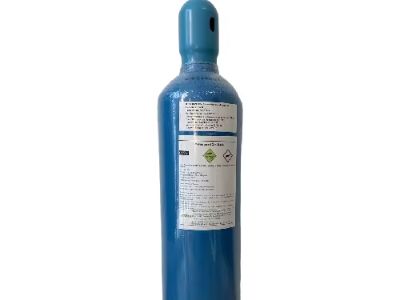
Understanding why gas purity matters in excimer laser performance is crucial for businesses involved in industrial applications. The purity of gases used in excimer lasers directly affects their efficiency, reliability, and overall performance. For purchasing managers, engineers, and product managers, ensuring high gas quality can mitigate common operational issues and enhance productivity. This article will explore key specifications for gas quality, compare gas purity standards, discuss wholesale purchasing considerations, highlight top applications requiring high gas purity, and identify common problems related to gas quality.
Key Specifications for Gas Quality in Industrial Laser Applications
When evaluating gas quality for excimer lasers, several specifications must be taken into account. The primary indicators of gas purity include the concentration of impurities, moisture content, and the presence of particulates. For instance, a typical requirement for excimer laser gases is that the impurity level should not exceed parts per million (ppm) thresholds specific to each application. The moisture content is particularly critical; excess moisture can lead to adverse chemical reactions within the coherent laser, potentially causing damage or degradation of components. Additionally, particulates can interfere with the laser's optical path, leading to reduced efficiency and performance. Buyers should also consider the gas delivery system's compatibility with the gas purity requirements. Ensuring that all components, from valves to regulators, maintain the purity level is essential for optimal laser operation. Before finalizing any purchase, it is advisable to request detailed specifications and quality assurance documentation from the supplier.
Comparing Gas Purity Standards for Optimal Laser Efficiency
Different industries may adhere to varying purity standards depending on the specific application of excimer lasers. For example, the semiconductor manufacturing sector typically requires higher purity levels than other sectors, such as surface treatment or medical device manufacturing. The most commonly referenced standards include the Semiconductor Equipment and Materials International (SEMI) standards and the American National Standards Institute (ANSI) specifications. Understanding these standards allows buyers to assess whether the gases supplied meet their operational needs. It is essential to confirm that the supplier adheres to these standards, as non-compliance can lead to significant operational risks, including equipment failure and costly downtime. Moreover, the gas manufacturing process itself can impact purity levels. Processes such as cryogenic distillation and pressure swing adsorption are effective in producing high-purity gases. Buyers should inquire about the manufacturing methods used to produce the gases they intend to purchase, as this can directly affect the final product's purity.
Wholesale Purchasing Considerations for Excimer Laser Gases
When considering wholesale purchases of excimer laser gases, several factors come into play. First, understanding the minimum order quantity (MOQ) is vital; this can vary significantly between suppliers and may affect budgeting and inventory management. Buyers should also evaluate pricing structures. Factors influencing pricing include the specific gas type, purity level, and any customization required for the gases (e. g., specific blends or packaging). Additionally, shipping and handling logistics should be considered, as these can impact lead times and overall costs. It is also prudent to assess supplier reliability. This involves reviewing their quality control processes and certifications, such as ISO standards, to ensure they maintain high product quality. A supplier with a robust reputation for quality assurance will likely provide gases that meet the stringent requirements of excimer gas laser applications. Finally, buyers should consider establishing long-term relationships with suppliers who can guarantee consistent quality and supply. This can lead to better pricing, priority service, and tailored solutions for unique applications.
Top Applications of Excimer Lasers Requiring High Gas Purity
Excimer lasers are widely used across various industries, each requiring high gas purity for optimal performance. Some of the top applications include:
Semiconductor Manufacturing: In this sector, excimer lasers are utilized for photolithography, where precision is crucial for creating microcircuits. High gas purity is essential to prevent defects in semiconductor wafers.
Medical Applications: Excimer lasers are employed in LASIK eye surgery to reshape corneas. The purity of the gases used is vital to ensure patient safety and the success of the procedure.
Surface Treatment: Industries that require the etching or cleaning of surfaces, like aerospace and automotive, depend on excimer lasers for efficient and precise results. Gas purity ensures consistent treatment quality.
Material Processing: Excimer gas lasers are used for cutting and engraving materials. In such applications, impurities in the gas can lead to inconsistent results and lower quality finishes.
Understanding the specific requirements of these applications will help buyers select the right gas types and purity levels to meet their operational needs effectively.
Common Problems in Gas Quality and Their Solutions for Lasers
Despite rigorous quality control measures, gas quality issues can still arise. Common problems include contamination from impurities, fluctuations in gas pressure, and inconsistent purity levels. To address contamination, buyers should implement thorough quality checks upon receipt of the gases. This can include gas purity testing and visual inspections for particulates. Additionally, using high-quality storage and delivery systems designed to minimize contamination is crucial. Pressure fluctuations can affect laser performance and output consistency. Buyers should ensure that the gas delivery system is equipped with reliable pressure regulators and monitoring systems to maintain stable pressure levels. Inconsistent purity levels may signal issues with the supplier's production methods. Buyers should maintain open communication with suppliers and request regular updates on quality assurance processes. It is also beneficial to establish a protocol for addressing quality complaints to ensure timely resolutions. By proactively addressing these common gas quality problems, companies can mitigate risks associated with excimer laser operations and enhance overall productivity. understanding why gas purity matters in excimer laser performance is fundamental for businesses leveraging this technology in industrial applications. By focusing on key specifications, comparing purity standards, considering wholesale purchasing strategies, recognizing top applications, and being aware of common gas quality issues, buyers can make informed decisions that enhance the efficiency and reliability of their excimer laser systems.
Table of Contents
- Why Gas Purity Matters in Excimer Laser Performance for Industrial Applications
- Key Specifications for Gas Quality in Industrial Laser Applications
- Comparing Gas Purity Standards for Optimal Laser Efficiency
- Wholesale Purchasing Considerations for Excimer Laser Gases
- Top Applications of Excimer Lasers Requiring High Gas Purity
- Common Problems in Gas Quality and Their Solutions for Lasers