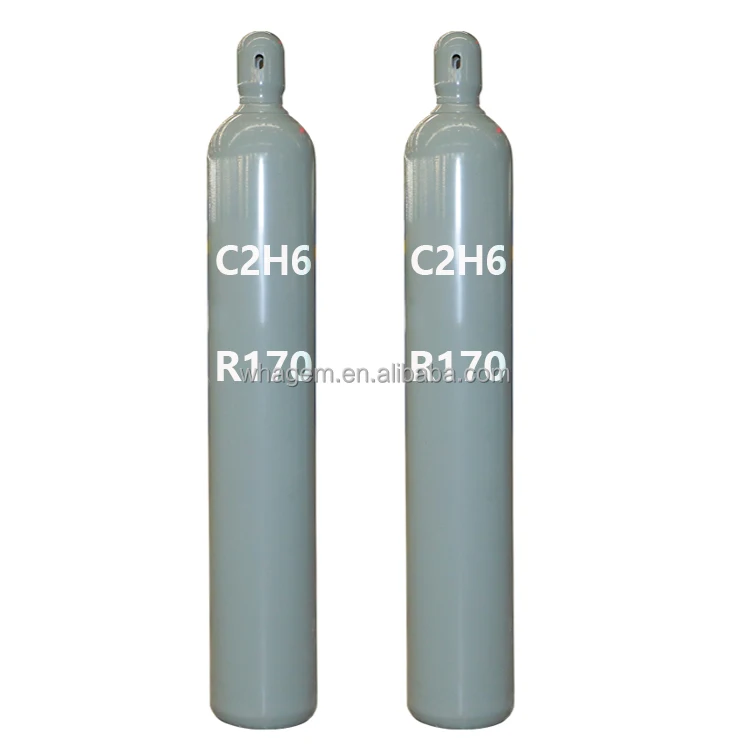
You’ve got to be exact when quantifying gases such as methane. Methane is also an invisible and odourless gas. It can be discovered in the form of landfills, in natural gas regions and (in) even the stomachs of animals. It’s important to measure methane levels right because there are so many factors in play, including saving the environment, safety at work and it’s important to make sure that machines that use gas have the right exposure for safe, efficient operation.
A proven method of accurately measuring methane is with calibration gas. Calibration gas is a higher standard mixture of gases that is used to calibrate a gas detection instrument. This is all to ensure that they are measuring the gases correctly. o methane calibration gas 2.5 methane calibration gas is a type of calibration gas that has a fixed concentration of methane gas. That just gets us accurate measurements.
There are several advantages to 2.5 methane calibration gas. One such boon is the ability to take precise and consistent measurements. Now, when we calibrate 2.5 methane calibration gas on our gas sensors, we can have confidence in the data they produce.
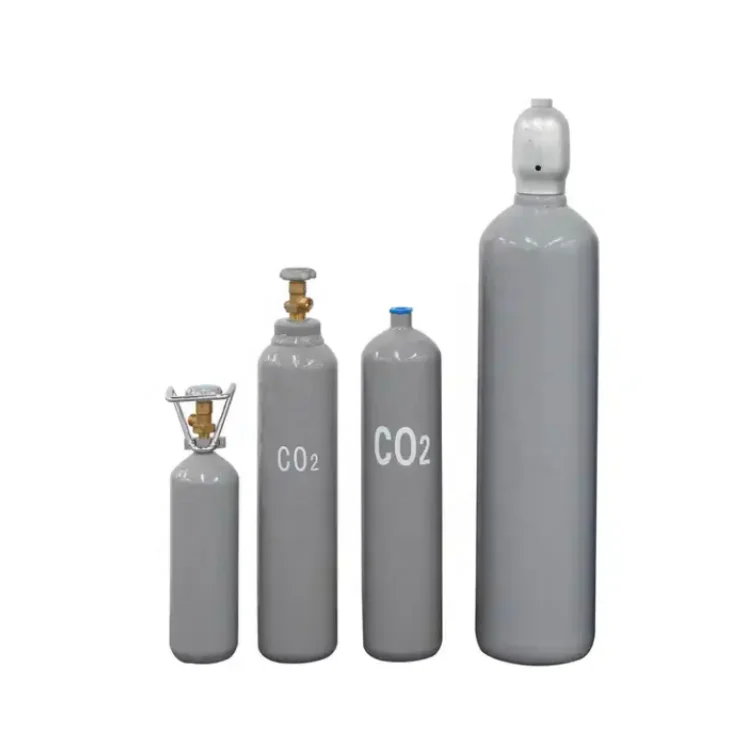
Another advantage is that 2.5 methane calibration gas is easy to use. The gas cylinders are portable, so we can take them anywhere. It is easy to be calibrated fast gas sensor, when we need the results quickly, accurately.
It is essential that we are able to trust the calibration gas being used to make sure we are safe and accurate. For safety needs, AGEM's methane 2.5 cal gas is designed to work consistently to help gas sensors and meters to measure methane volume properly. When we utilize AGEM calibration gas we can be secure in the knowledge that our machinery is running as it should.
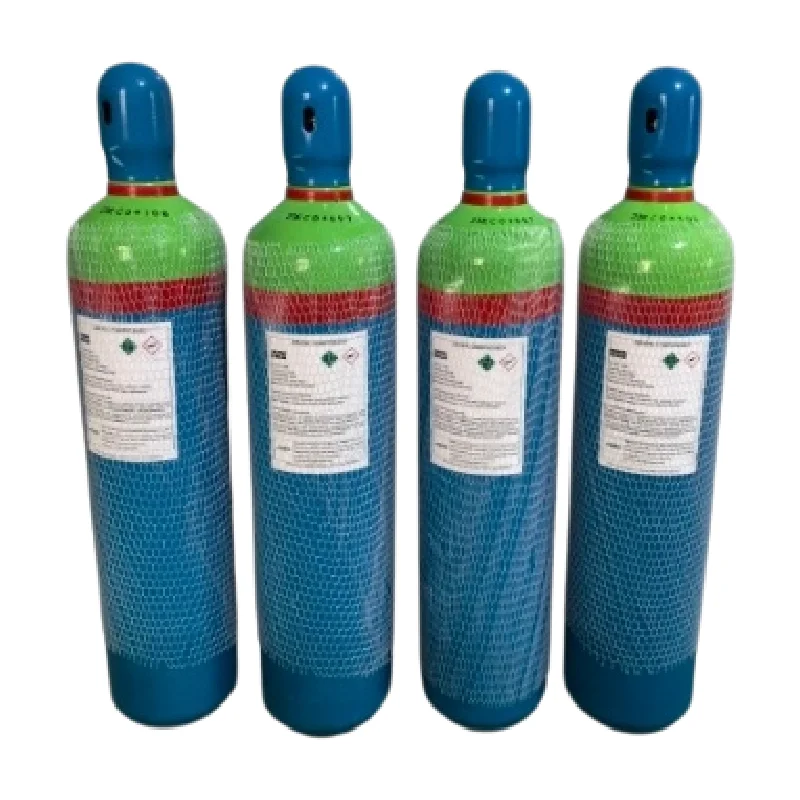
The 2.5 methane calibration gas also help make safety better in most areas. For instance, in plants where methane has to be verified for safety, 2.5 methane calibration gas is used to calibrate gas sensors, enabling workers to easily discover leaks or incorrect methane concentrations.
AGEM is aware that different customers require different things in the field of specialty gases like calibration gases. We offer tailored solutions that are tailored to our customers' needs. When you require a certain purity amount, cylinder size or a packaging option, AGEM can work with you to tailor their products according to your precise requirements. This level of customization guarantees you the best gas cylinders to calibrate your application, improving the overall effectiveness and performance. The AGEM product line isn't limited to calibration gases. The catalogue of AGEM covers Hydrocarbon Gases Halocarbons, Chemical Gases and Rare gasses. You can be certain that AGEM has the gas you require.
Leaks of 2.5 methane calibration gas is an extremely serious issue. We check for leaks over five times in order to guarantee quality. We have a complete production line with a strict quality control along with a set of after-sales support. This ensures that our clients receive top quality products. We pride ourselves on our dedication to high-quality and excellent customer service. Our team of highly skilled professionals are always available to assist you and ensure that your requirements are taken care of. What sets us apart is our 24-hour, 7-day a week service. We're here to assist you around the clock all days of the week.
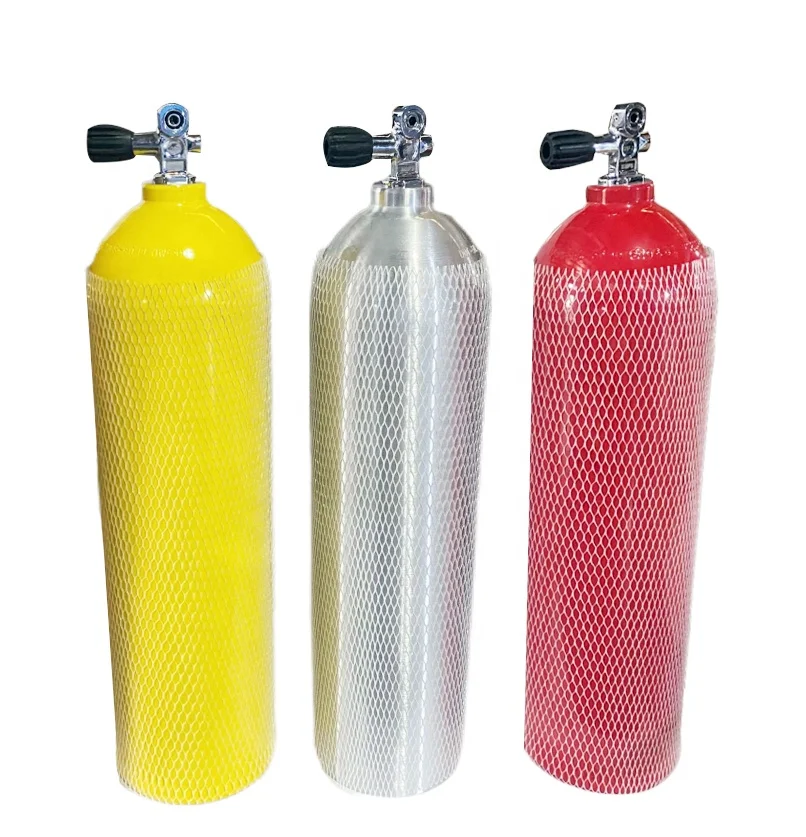
AGEM offers a wide range of cryogenic cylinders to cool super-cooling liquids and gases like liquid oxygen and the argon. They can also hold carbon dioxide, nitrogen and nitrous. We use imported valves and instruments to ensure maximum performance. Make use of gas saving devices and give priority to the use of over pressure gas in gas phase space. Double safety valves provide solid assurance for safe operation.We offer a wide range of cryogenic cylinders that can accommodate liquids that are super-cooled and utilized in daily life.Full Volume: 80L/100L/175L/195L/210L/232L/410L/500L/1000LWork Pressure: 1.37MPa/2.3MPa/2.88MPa/3.45MPaInner Tank Design Temperature : +196Shell Tank Design Temperature : 20oC+50oCInsulation: Vacuum with Multi-layer WrappedStored medium: LO2, LN2, LArLCO2, LNG
AGEM has been operating in Taiwan for over 25 years. We have an extensive R and D experience in this area, and we are able to offer a distinct expertise in the fields of Speciality Bulk, calibration gases across six different regions.Taiwan - Kaohsiung City (Headquarters, R and D Center)India - Mumbai, Vadodara, Coimbatore, Pune, Bengaluru, DelhiChina - WuhanMiddle East - Dubai (UAE) & Kingdom of Saudi ArabiaUnited Kingdom - CambridgeOur gas services include Technical Consulting, Assembling & Commissioning, Sample Testing, Shipping and Packing, Drawing Design, Manufacturing.
AIR GAS ELECTRONIC MATERIALS (AGEM)is a Gas Manufacturing and R&D plant placed in Taiwan, having an unparallel expertise in the field of Speciality, Electronic, Bulk and Calibration gases across the globe in 6 different regions
Room1002, A building, Huangzhong international Plaza, No182.Huangxiaohe Road, Jiangan District, Wuhan 430014, China
Copyright © Air Gas Electronic Materials Enterprise Co., Ltd. Privacy Policy
 EN
EN
 AR
AR
 CS
CS
 DA
DA
 NL
NL
 FI
FI
 FR
FR
 DE
DE
 EL
EL
 IT
IT
 JA
JA
 KO
KO
 NO
NO
 PL
PL
 PT
PT
 RO
RO
 RU
RU
 ES
ES
 TL
TL
 ID
ID
 SK
SK
 SL
SL
 UK
UK
 VI
VI
 TH
TH
 TR
TR
 AF
AF
 MS
MS
 SW
SW
 GA
GA
 CY
CY
 BE
BE
 KA
KA
 LO
LO
 LA
LA
 MI
MI
 MR
MR
 MN
MN
 NE
NE
 UZ
UZ