
 EN
EN
 AR
AR
 CS
CS
 DA
DA
 NL
NL
 FI
FI
 FR
FR
 DE
DE
 EL
EL
 IT
IT
 JA
JA
 KO
KO
 NO
NO
 PL
PL
 PT
PT
 RO
RO
 RU
RU
 ES
ES
 TL
TL
 ID
ID
 SK
SK
 SL
SL
 UK
UK
 VI
VI
 TH
TH
 TR
TR
 AF
AF
 MS
MS
 SW
SW
 GA
GA
 CY
CY
 BE
BE
 KA
KA
 LO
LO
 LA
LA
 MI
MI
 MR
MR
 MN
MN
 NE
NE
 UZ
UZ

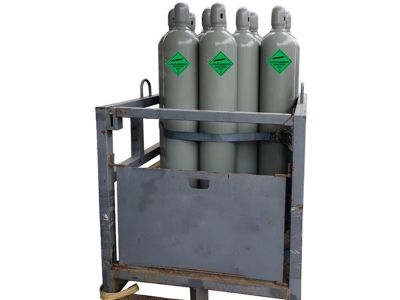
Ultra High Purity (UHP) gases are integral to semiconductor fabrication processes, serving critical roles in achieving the precision and purity required for modern electronics. These gases are essential in various stages of semiconductor manufacturing, including etching, deposition, and cleaning. Given the high stakes involved, purchasing managers and engineers must navigate a complex landscape to ensure they source the right Mixture Gases for their specific applications. This article will explore why ultra high purity gases are critical for semiconductor fabrication processes and provide valuable insights for making informed purchasing decisions.
Understanding the Role of Ultra High Purity Gases in Semiconductor Manufacturing
Ultra high purity gases are gases with extremely low levels of contaminants, typically less than one part per billion (ppb). In semiconductor manufacturing, even minute impurities can lead to defects in microchips, resulting in reduced performance or complete failure. For instance, during the chemical vapor deposition (CVD) process, UHP gases such as silane (SiH₄) or phosphine (PH₃) are used to create thin films of silicon or phosphorous on wafers. The purity of these gases is paramount because any contamination can alter the film's electrical properties and the overall functionality of the semiconductor device.
Moreover, UHP gases are not just essential for the production stage; they also play a significant role in maintenance and cleaning processes. Gases like nitrogen (N₂) are often used for purging systems to prevent contamination during downtime, while other gases such as hydrogen (H₂) are critical for cleaning surfaces before further processing. Therefore, understanding the specific applications and the necessary purity levels for each gas type is crucial for maintaining the integrity of semiconductor manufacturing processes.
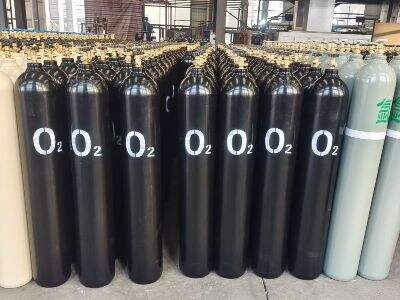
How to Choose Reliable Suppliers for Ultra High Purity Gases
Selecting a reliable supplier for ultra high purity gases involves careful consideration of several factors. Firstly, assess the supplier's quality control processes. A reputable supplier should have stringent quality assurance measures in place, including regular inspections and testing of their gases to ensure compliance with industry standards. For instance, suppliers should provide documentation that verifies the purity levels of their gases and any relevant certifications, which indicate their compliance with safety and environmental regulations.
Additionally, consider the supplier's experience and specialization in the semiconductor industry. A supplier like AIR GAS ELECTRONIC MATERIALS (AGEM), which specializes in UHP gases and has substantial R&D capabilities, can offer tailored solutions and insights based on their expertise. Engage potential suppliers in discussions about their manufacturing processes, lead times, and customization options to ensure they can meet your specific needs. Comparing multiple suppliers based on these criteria can help you make a more informed decision.
Evaluating the Quality of Ultra High Purity Gases for Your Projects
When evaluating the quality of ultra high purity gases, several key parameters must be considered. The first is the concentration of impurities, which should be confirmed through certificates of analysis (COAs) provided by the supplier. These documents should detail the levels of various contaminants, including moisture, oxygen, and other trace gases.
Another important aspect is the delivery method. UHP gases are typically supplied in cylinders or bulk delivery systems, and the choice between these options can impact both quality and cost. Bulk systems often provide a more consistent supply and lower long-term costs, while cylinders may offer flexibility for smaller operations.
Additionally, buyers should consider the gas's stability and its compatibility with their specific processes. For example, certain gases may react adversely when combined with others, leading to potential issues in semiconductor fabrication. A thorough understanding of your production requirements will help in evaluating the suitability of the gases offered.
Installation Guidance for Ultra High Purity Gases in Semiconductor Processes
Installing ultra high purity gases requires careful planning and execution to maintain the integrity of the gases and prevent contamination. It's essential to use dedicated piping and fittings that are compatible with UHP gases and made from materials that do not react with the gases being used. Stainless steel is commonly used due to its inert properties, but it is imperative to ensure that all components have been thoroughly cleaned and certified for UHP applications.
During installation, it is crucial to minimize exposure to contaminants. This can be achieved by using proper handling techniques and ensuring that all connections are leak-tested before the system goes live. Moreover, proper training for personnel involved in gas handling and installation can prevent common mistakes that lead to contamination or safety hazards.
Regular maintenance and inspection of gas delivery systems are also critical. Implementing a routine check-up schedule can help identify potential leaks or contamination sources, ensuring that the UHP gases remain pure throughout their usage.
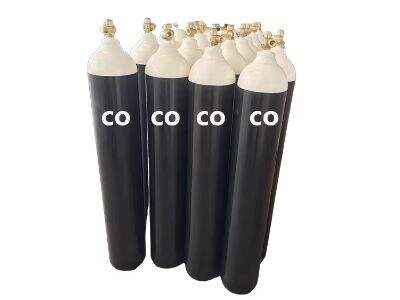
Application Scenarios for Ultra High Purity Gases in the Semiconductor Industry
Ultra high purity gases are used in various critical applications within the semiconductor industry. One prominent scenario is in the fabrication of silicon wafers, where gases like silane (SiH₄) are utilized in the deposition process to create high-quality silicon films. The purity of these gases directly influences the electrical characteristics of the final product, making it essential for manufacturers to source UHP gases.
Another key application is in the etching process, where calibration gases such as chlorine (Cl₂) or fluorine (F₂) are employed to remove unwanted material from the wafer surface. The effectiveness of the etching process can be severely compromised by impurities in these gases, which is why selecting a high-quality source is paramount.
In addition to these processes, UHP gases are also critical in the cleaning and passivation steps of semiconductor manufacturing. Gases like nitrogen trifluoride (NF₃) are used to eliminate residues, while argon (Ar) may be utilized in plasma processes. Understanding the specific requirements of each application helps buyers select the most suitable UHP gases, ensuring optimal performance throughout the semiconductor manufacturing process.
By considering the factors discussed, purchasing managers and engineers can make informed decisions when sourcing ultra high purity gases, ultimately enhancing the quality and reliability of their semiconductor fabrication processes.
Table of Contents
- Why Ultra High Purity Gases Are Critical for Semiconductor Fabrication Processes?
- Understanding the Role of Ultra High Purity Gases in Semiconductor Manufacturing
- How to Choose Reliable Suppliers for Ultra High Purity Gases
- Evaluating the Quality of Ultra High Purity Gases for Your Projects
- Installation Guidance for Ultra High Purity Gases in Semiconductor Processes
- Application Scenarios for Ultra High Purity Gases in the Semiconductor Industry