
 EN
EN
 AR
AR
 CS
CS
 DA
DA
 NL
NL
 FI
FI
 FR
FR
 DE
DE
 EL
EL
 IT
IT
 JA
JA
 KO
KO
 NO
NO
 PL
PL
 PT
PT
 RO
RO
 RU
RU
 ES
ES
 TL
TL
 ID
ID
 SK
SK
 SL
SL
 UK
UK
 VI
VI
 TH
TH
 TR
TR
 AF
AF
 MS
MS
 SW
SW
 GA
GA
 CY
CY
 BE
BE
 KA
KA
 LO
LO
 LA
LA
 MI
MI
 MR
MR
 MN
MN
 NE
NE
 UZ
UZ

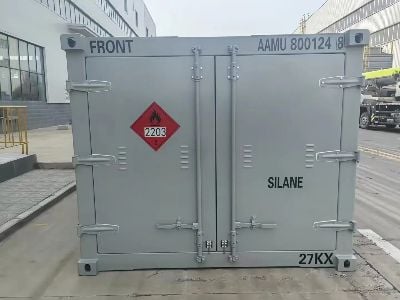
Silane gas (SiH) plays a crucial role in enhancing the efficiency of thin film deposition processes in solar cell production. As B2B buyers, purchasing managers, and engineers explore the benefits of incorporating silane gas into their manufacturing processes, it is essential to understand its specific contributions, installation considerations, and potential issues. This article will elucidate how silane gas improves thin film deposition, practical installation guidance, common challenges, and insights from industry experts, aiding you in making informed purchasing decisions.
How Silane Gas Enhances Thin Film Deposition in Solar Cells?
Silane gas is a key precursor in the chemical vapor deposition (CVD) process, crucial for producing high-quality thin films in solar cell manufacturing. When silane gas is introduced into the deposition chamber, it decomposes at elevated temperatures, leading to the formation of silicon layers on substrates. The resulting thin films exhibit superior electrical properties, essential for enhancing the efficiency of solar cells.
One significant advantage of using silane gas is its ability to facilitate uniform layer deposition. This uniformity is vital for ensuring consistent performance across solar cells, as uneven layers can lead to localized defects and reduced efficiency. Furthermore, silane gas allows for the precise control of film thickness, which is critical for optimizing light absorption and electron mobility in solar cells. The result is a more efficient energy conversion process and improved overall performance.
Installation Guidance for Silane Gas in Thin Film Deposition
Installing silane gas systems for thin film deposition requires careful consideration of several factors to ensure safety and efficiency. First, it is essential to use appropriate handling equipment, as silane is flammable and may form explosive mixtures with air. Buyers should ensure that the installation site is equipped with explosion-proof ventilation and appropriate gas monitoring systems.
Next, the gas delivery system must be designed to provide consistent flow rates and pressures. This consistency is crucial for maintaining the quality of the thin films produced. It is advisable to include regulators and mass flow controllers to precisely manage the silane gas flow during deposition.
Finally, ensure that the installation adheres to local regulations and industry standards. Proper training for personnel on handling silane gas and emergency procedures is also recommended to mitigate risks associated with its use.
Common Problems in Thin Film Deposition and Silane Solutions
Despite its advantages, the use of silane gas in thin film deposition can present challenges. One common issue is the formation of unwanted byproducts during the deposition process, which can lead to contamination of the thin films. To address this, it is essential to optimize the deposition conditions, including temperature, pressure, and gas flow rates. Regular monitoring of the process can help identify deviations that may lead to problems.
Another prevalent challenge is the adhesion of the thin film to the substrate. Poor adhesion can result in delamination and reduce the overall performance of the solar cells. Utilizing silane gas in conjunction with well-prepared substrates can significantly enhance adhesion properties. Buyers should consider substrate cleaning methods and surface treatments that promote better bonding with silane-derived silicon layers.
Where to Find Reliable Suppliers of Silane Gas for Solar Cells?
Finding a reliable supplier for silane gas is paramount for ensuring consistent quality in solar cell production. Buyers should prioritize suppliers with a proven track record in specialty gas manufacturing, particularly those with experience in the electronic materials sector. Look for suppliers that offer rigorous quality control processes, including regular inspections and testing of their products.
Additionally, consider suppliers that provide technical support and customization options to meet specific production needs. Engaging with manufacturers like AIR GAS ELECTRONIC MATERIALS (AGEM), known for their expertise in specialty gases, can provide valuable insights and solutions tailored to your processes.
When evaluating suppliers, it's prudent to request references or case studies that demonstrate their ability to meet the demands of solar cell production. Understanding their distribution capabilities across regions can also ensure timely delivery of silane gas, reducing potential production delays.
Expert Insights on Silane Gas Benefits in Solar Cell Production
Industry experts highlight the substantial benefits of integrating silane gas into solar cell production. One key advantage is its role in enhancing the stability and performance of amorphous silicon solar cells. Silane gas allows for the deposition of high-quality films that enhance light absorption and energy conversion efficiency, which is crucial as the market increasingly demands more efficient solar solutions.
Moreover, the flexibility in adjusting the deposition parameters when using silane gas enables manufacturers to fine-tune the properties of the thin films, such as refractive index and electrical conductivity. This adaptability is particularly beneficial in research and development settings, where innovation is vital for staying competitive.
Lastly, the environmental impact of using silane gas is also worth noting. Compared to other silicon precursors, silane gas produces fewer harmful byproducts, making it a more sustainable option for manufacturers aiming to minimize their ecological footprint.
Understanding how silane gas improves thin film deposition in solar cell production is essential for buyers seeking to enhance efficiency and performance. By considering installation guidance, addressing common problems, evaluating suppliers, and leveraging expert insights, purchasing managers and engineers can make informed decisions that align with their production goals.
Table of Contents
- How Does Silane Gas (SiH) Improve Thin Film Deposition in Solar Cell Production?
- How Silane Gas Enhances Thin Film Deposition in Solar Cells?
- Installation Guidance for Silane Gas in Thin Film Deposition
- Common Problems in Thin Film Deposition and Silane Solutions
- Where to Find Reliable Suppliers of Silane Gas for Solar Cells?
- Expert Insights on Silane Gas Benefits in Solar Cell Production