
 EN
EN
 AR
AR
 CS
CS
 DA
DA
 NL
NL
 FI
FI
 FR
FR
 DE
DE
 EL
EL
 IT
IT
 JA
JA
 KO
KO
 NO
NO
 PL
PL
 PT
PT
 RO
RO
 RU
RU
 ES
ES
 TL
TL
 ID
ID
 SK
SK
 SL
SL
 UK
UK
 VI
VI
 TH
TH
 TR
TR
 AF
AF
 MS
MS
 SW
SW
 GA
GA
 CY
CY
 BE
BE
 KA
KA
 LO
LO
 LA
LA
 MI
MI
 MR
MR
 MN
MN
 NE
NE
 UZ
UZ

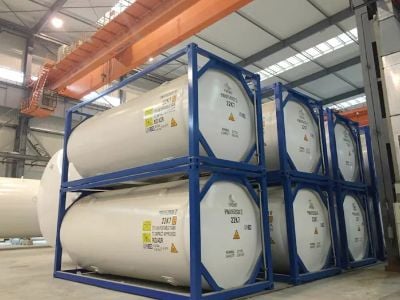
Stability and purity in carbon monoxide (CO) supply are crucial for industries that prioritize product integrity and safety, particularly in seafood preservation. As a B2B buyer, you need to ensure that your CO supplier meets the highest standards to elevate your industry benchmarks while maintaining the freshness of your seafood products. This article will guide you through essential considerations, from finding reliable suppliers to evaluating costs and applications, ultimately helping you make informed purchasing decisions.
Where to Find Reliable Suppliers for Bulk CO Supply Orders?
Finding reliable suppliers for bulk CO supply requires careful research and evaluation. Start by identifying manufacturers with a proven track record in gas supply, especially those specializing in specialty and calibration gases. Look for suppliers that have established quality control processes, including regular inspections and testing, to ensure the purity and stability of their products. Networking with industry peers can provide valuable recommendations. Industry associations and trade shows also serve as platforms where you can meet potential suppliers and learn about their offerings. Additionally, online directories and platforms can help you compile a list of suppliers; however, ensure to verify their credentials and customer reviews to avoid common pitfalls associated with unreliable sources. Always request argon gas supply samples and certifications before placing bulk orders. This will allow you to assess the quality of the CO being supplied and ensure it meets your specific application requirements.
How to Evaluate the Cost of CO Supply for Your Business?
Evaluating the cost of CO supply involves more than just comparing unit prices. Consider the total cost of ownership, which includes factors such as transportation costs, handling fees, and any additional charges associated with customization or special packaging requirements. Engage with suppliers to understand their pricing structures. For instance, inquire about bulk order discounts, minimum order quantities (MOQ), and lead times.
It’s also important to assess the potential impact of fluctuating market prices for raw materials on your supply contracts. Having a clear understanding of your business's propane supply consumption patterns will help you negotiate better terms. Additionally, evaluate the supplier's reliability and service quality. A supplier that offers competitive pricing but has a track record of delays or quality issues may ultimately cost your business more in lost productivity or product spoilage.
Understanding CO Supply Applications
Carbon monoxide has various applications across industries, with its role in food preservation being particularly notable. In seafood processing, CO is used to maintain the freshness and extend the shelf life of products by inhibiting spoilage. Understanding the specific application of CO in your operations is essential for selecting the right supplier and ensuring compliance with safety regulations. Other applications of CO include its use in chemical synthesis, metalworking, and as a fuel gas in certain industrial processes. Each of these applications may require different purity levels and specifications, so it's crucial to communicate your specific needs to potential suppliers. Ensure they can provide technical data sheets that outline the purity levels and any impurities that might be present in their CO supply.
Installation Guidance for Optimal CO Supply Performance
When it comes to installing CO supply systems, following manufacturer guidelines and industry best practices is critical for optimal performance. First, assess the compatibility of your existing equipment with the CO supply system. This includes checking pressure ratings, fittings, and line materials to prevent leaks and ensure safety. It’s advisable to consult with your supplier’s technical team during the installation process. They can offer insights into best practices for setting up the gas delivery system, including proper ventilation, safety measures, and monitoring systems to detect any leaks or irregularities. Regular maintenance is also essential. Implement a schedule for inspecting and testing the CO argon supply system to ensure it operates efficiently and safely. This includes routine checks of pressure gauges, flow meters, and safety shut-off valves.
The Importance of Product Purity in Seafood Preservation
The purity of CO used in seafood preservation cannot be overstated. Impurities can compromise the quality of the seafood, leading to spoilage, off-flavors, or even health risks. Ensure that your supplier provides CO with the necessary purity specifications to meet food safety standards. This typically includes low levels of impurities such as carbon dioxide, moisture, and sulfur compounds. One effective way to verify product purity is through third-party testing and certification. Ask your supplier for documentation that demonstrates their compliance with industry standards and regulations. This not only helps build trust but also ensures that the CO you are using is safe for your seafood products. In summary, selecting a CO supplier that emphasizes stability and purity is essential for maintaining the quality of your seafood products. By understanding the sourcing, cost evaluation, application, installation, and purity requirements, you can make more informed purchasing decisions that elevate your industry standards.
Table of Contents
- Stability and Purity in CO Supply: Elevate Your Industry Standards and Seafood Freshness
- Where to Find Reliable Suppliers for Bulk CO Supply Orders?
- How to Evaluate the Cost of CO Supply for Your Business?
- Understanding CO Supply Applications
- Installation Guidance for Optimal CO Supply Performance
- The Importance of Product Purity in Seafood Preservation