
 EN
 AR
 CS
 DA
 NL
 FI
 FR
 DE
 EL
 IT
 JA
 KO
 NO
 PL
 PT
 RO
 RU
 ES
 TL
 ID
 SK
 SL
 UK
 VI
 TH
 TR
 AF
 MS
 SW
 GA
 CY
 BE
 KA
 LO
 LA
 MI
 MR
 MN
 NE
 UZ

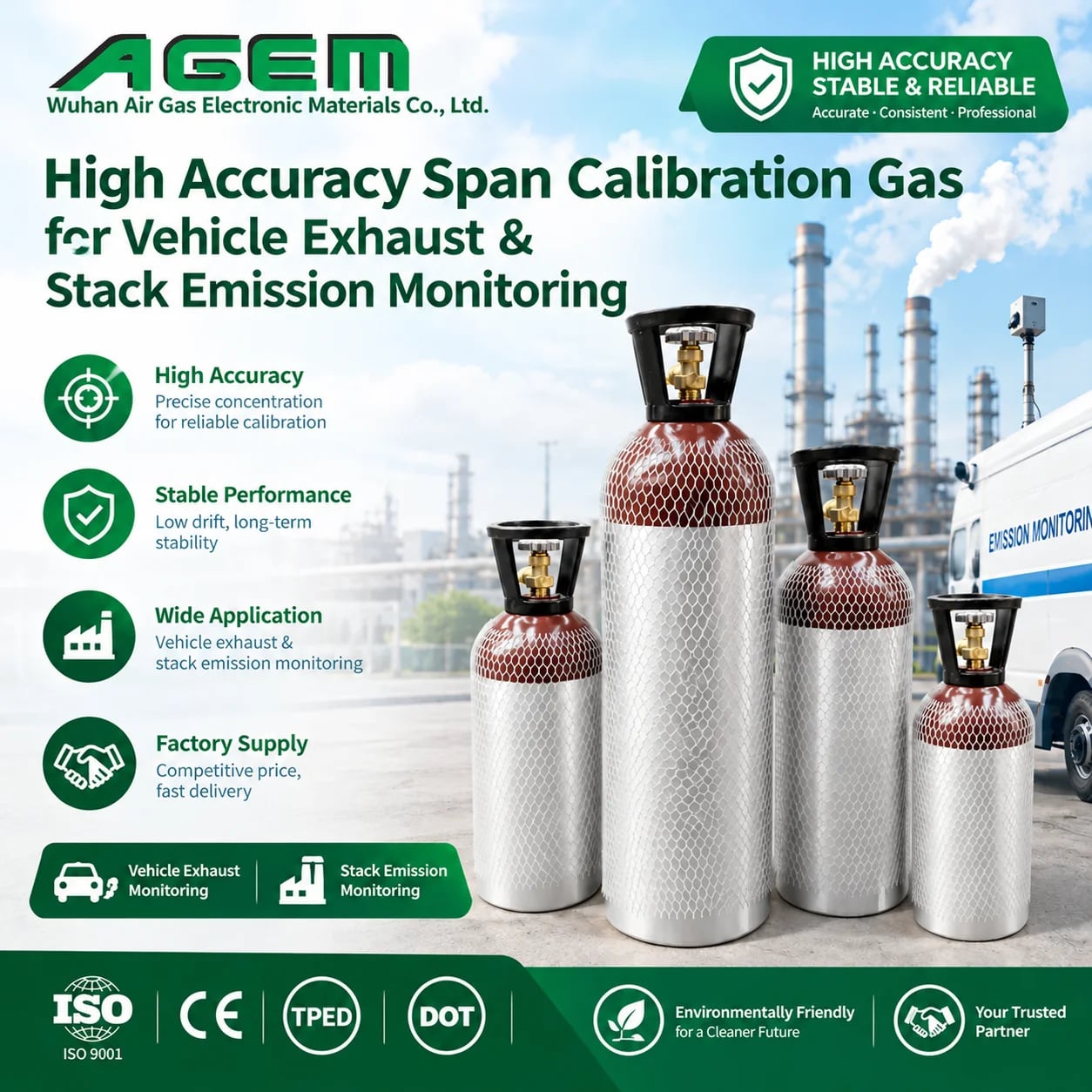
Understanding Calibration Gas Shelf Life: Why Reactive Gases Expire Faster
Using expired calibration gas leads to inaccurate sensor calibration, compromised worker safety, and regulatory compliance failures. On October 20, 2026, updated its technical guide explaining calibration gas shelf life and the chemical factors that cause reactive gases like H2S, Cl2, and NH3 to degrade faster than non-reactive gases. Learn how cylinder passivation, environmental storage, and chemical stability determine your gas cylinder expiration dates.
Reactive vs. Non-Reactive Gas Expiration Cycles
Non-Reactive Gas Stability (Up to 36 Months)
Inert gases like Methane (CH4), Carbon Monoxide (CO), and Nitrogen (N2) remain chemically stable inside steel or aluminum cylinders for 24 to 36 months under proper storage conditions.
Reactive Gas Stability (6 to 12 Months)
Gases like Hydrogen Sulfide (H2S), Ammonia (NH3), and Chlorine (Cl2) slowly react with moisture or internal container surfaces, reducing active gas concentration over a shorter 6 to 12-month period.
Factors Accelerating Gas Concentration Degradation
Cylinder Internal Passivation Process
Special passivation treatments line the inside wall of aluminum cylinders to slow down gas absorption, but degradation eventually occurs over time.
Temperature and Storage Conditions
Exposing cylinders to direct sunlight or temperatures above 50°C (122°F) speeds up chemical decay and alters cylinder pressure.
Expiration Overview by Gas Category
| Gas Type | Typical Examples | Average Shelf Life | Cylinder Compatibility |
|---|---|---|---|
| Non-Reactive | CO, CH4, CO2, O2, N2 | 24 - 36 Months | Steel or Aluminum |
| Mildly Reactive | H2S, SO2 (Low PPM) | 12 - 24 Months | Treated Aluminum |
| Highly Reactive | Cl2, NH3, HCl, NO2 | 6 - 12 Months | Passivated Aluminum Only |
Customer FAQs
Q: Can I use calibration gas past its expiration date if the pressure is still high?
A: No. Even if pressure remains high, the concentration of the active gas may have degraded, resulting in inaccurate instrument calibration. Learn more about safety standards in our Gas Safety Resource Hub.
Q: How should I store calibration cylinders to maximize shelf life?
A: Store cylinders upright in a cool, dry, well-ventilated space away from direct sunlight and heat sources.