
 EN
 AR
 CS
 DA
 NL
 FI
 FR
 DE
 EL
 IT
 JA
 KO
 NO
 PL
 PT
 RO
 RU
 ES
 TL
 ID
 SK
 SL
 UK
 VI
 TH
 TR
 AF
 MS
 SW
 GA
 CY
 BE
 KA
 LO
 LA
 MI
 MR
 MN
 NE
 UZ

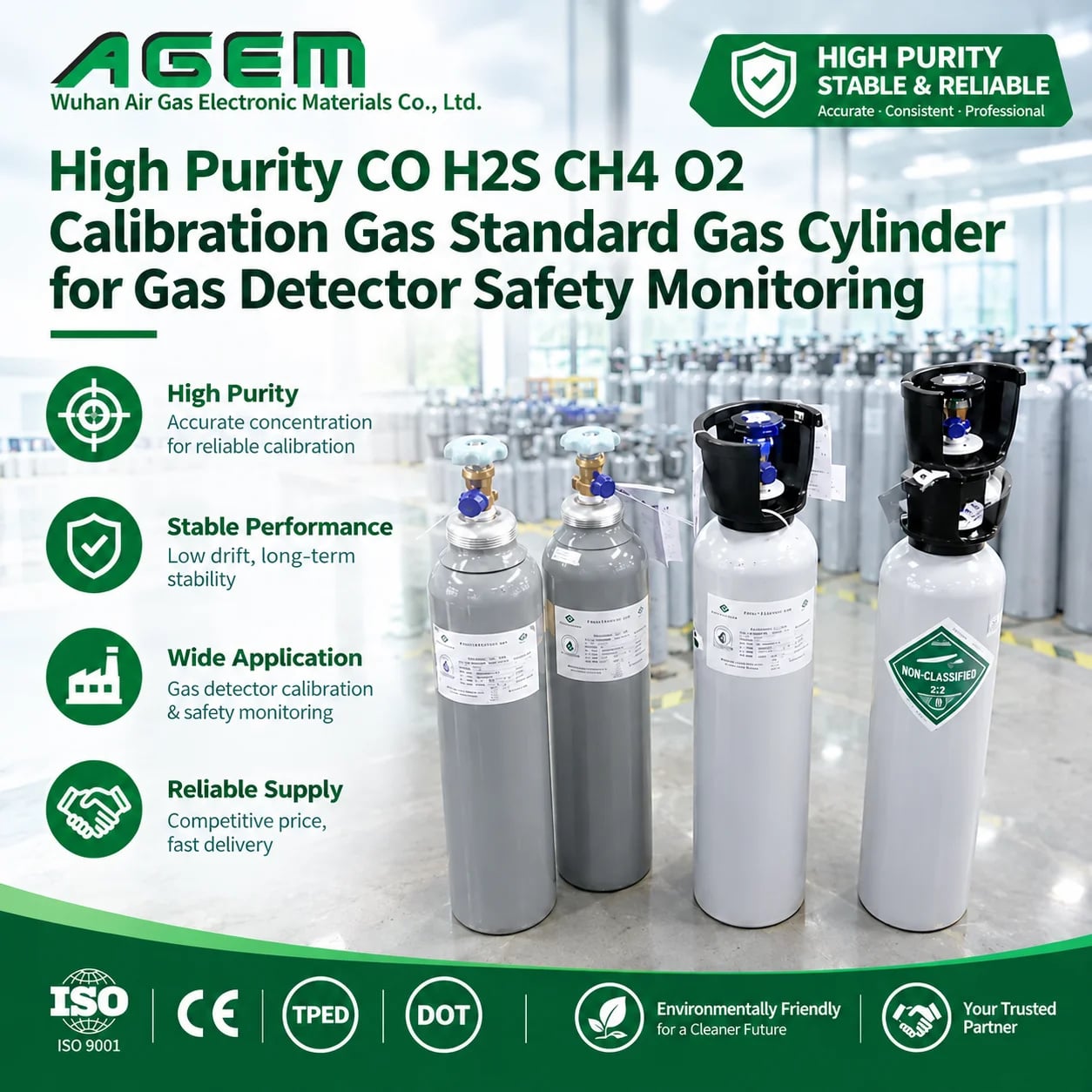
LEL Calibration Gas Explained: Combustible Gas Detector Setup & Methane/Hydrogen Limits
Properly setting up combustible gas detectors requires a clear understanding of LEL calibration gas concentrations and explosive limits. On October 20, 2026, published this technical guide detailing how to calibrate catalytic bead and infrared (IR) sensors for Methane, Pentane, and Hydrogen. Accurately mapping sensor response curves prevents false security in hazardous industrial zones subject to explosive atmospheres.
Understanding Lower Explosive Limits (LEL)
What is LEL?
The Lower Explosive Limit (LEL) is the minimum concentration of a combustible gas in air that can ignite in the presence of an ignition source. For example, 100% LEL Methane equals 5.0% Volume Methane in air.
Typical Calibration Gas Concentrations
Detectors are commonly calibrated using 50% LEL concentration gas standards (e.g., 2.5% CH4 in air) to span sensors safely within mid-range operating limits.
Choosing the Right Surrogate Gas: Methane vs. Pentane
Catalytic Bead Sensor Correction Factors
Catalytic sensors react differently to different hydrocarbons. If you calibrate with Methane but measure Propane or Hexane, you must apply appropriate cross-calibration conversion factors.
Infrared (IR) LEL Sensor Limitations
IR sensors do not detect Hydrogen (H2). Facilities handling Hydrogen gas must utilize dedicated catalytic bead sensors calibrated with Hydrogen calibration mix standards.
LEL Target Gas Limits & Calibration Standards
|
Combustible Gas |
100% LEL (Vol %) |
Common Calibration Point (50% LEL) |
Recommended Sensor Type |
|---|---|---|---|
|
Methane (CH4) |
5.0% Volume |
2.5% CH4 in Air |
Catalytic Bead or Infrared (IR) |
|
Propane (C3H8) |
2.1% Volume |
1.05% Propane in Air |
Catalytic Bead or Infrared (IR) |
|
Hydrogen (H2) |
4.0% Volume |
2.0% H2 in Air |
Catalytic Bead Only |
|
Pentane (C5H12) |
1.4% Volume |
0.7% Pentane in Air |
Catalytic Bead or Infrared (IR) |
Customer FAQs
Q: Why can't Infrared (IR) sensors detect Hydrogen gas?
A: Infrared sensors rely on molecules absorbing specific IR light wavelengths (typically carbon-hydrogen bonds). Hydrogen (H2) lacks these bonds, making it invisible to IR sensors. Explore our Combustible Gas Detector Selection Guide for alternate choices.
Q: What is the difference between 50% LEL and 50% Vol?
A: 50% LEL represents half of the minimum explosive concentration, whereas 50% Vol represents half of the total gas volume (an extremely dangerous, highly explosive concentration).
Table of Contents
- LEL Calibration Gas Guide: Combustible Gas Detector Setup
- LEL Calibration Gas Explained: Combustible Gas Detector Setup & Methane/Hydrogen Limits
- Understanding Lower Explosive Limits (LEL)
- Choosing the Right Surrogate Gas: Methane vs. Pentane
- LEL Target Gas Limits & Calibration Standards
- Customer FAQs