
 EN
EN
 AR
AR
 CS
CS
 DA
DA
 NL
NL
 FI
FI
 FR
FR
 DE
DE
 EL
EL
 IT
IT
 JA
JA
 KO
KO
 NO
NO
 PL
PL
 PT
PT
 RO
RO
 RU
RU
 ES
ES
 TL
TL
 ID
ID
 SK
SK
 SL
SL
 UK
UK
 VI
VI
 TH
TH
 TR
TR
 AF
AF
 MS
MS
 SW
SW
 GA
GA
 CY
CY
 BE
BE
 KA
KA
 LO
LO
 LA
LA
 MI
MI
 MR
MR
 MN
MN
 NE
NE
 UZ
UZ

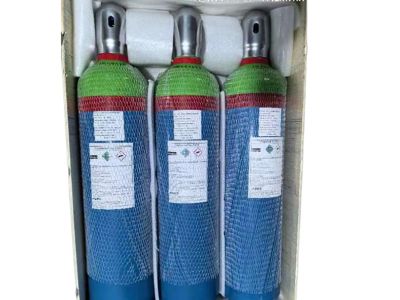
CF gas is pivotal in various electronic manufacturing processes, particularly in plasma etching and chamber cleaning applications. This article delves into CF gas applications, addressing common concerns, effective solutions, and installation guidance that B2B buyers such as purchasing managers, engineers, and product managers should consider when making purchasing decisions. Understanding these factors can aid in selecting the right CF gas cylinders products and suppliers, ultimately ensuring optimal performance and quality in electronic manufacturing processes.
Common Problems with CF Gas and Effective Solutions
One of the most common issues related to CF gas is its reactivity, which can lead to unwanted byproducts during processing. For instance, if not controlled properly, CF gas can produce carbon deposits in etching systems, affecting both efficiency and product quality. To mitigate this, buyers should ensure that the gas quality meets the rigorous standards required for their specific applications. Regular quality control checks and supplier audits can help identify any deviations early in the process.
Another issue is the handling and storage of CF gas, which necessitates specialized equipment due to its hazardous nature. Buyers should invest in proper containment and safety measures to prevent leaks and ensure safe usage. This includes utilizing gas detection systems and regular maintenance of storage cylinders. Additionally, training staff on the safe handling of CF gas specialty can prevent accidents and ensure compliance with safety regulations.
Lastly, compatibility with existing equipment can pose a challenge. Before making a purchase, buyers should confirm that the CF gas specifications align with their plasma etching systems and chamber cleaning equipment. A misalignment could lead to inefficient processes or even equipment damage. Engaging in discussions with suppliers about compatibility can provide valuable insights and help avoid costly mistakes.
Why It Matters for CF Gas Purchases?
Understanding the implications of CF gas properties is crucial for making informed purchasing decisions. Buyers must consider the purity levels and the specific application requirements when selecting CF specialty gas. High-purity CF gas is essential for applications like plasma etching, where contaminants can lead to defects in semiconductor manufacturing. Buyers should request certificates of analysis from suppliers to verify purity levels and ensure compliance with industry standards.
Additionally, pricing factors can vary significantly based on the gas's application and required specifications. Bulk purchases might offer cost savings, but buyers should also consider minimum order quantities (MOQs) and lead times, which can impact project timelines. Understanding these factors allows for better budgeting and planning.
Furthermore, evaluating suppliers based on their quality control processes and manufacturing capabilities is critical. Reliable suppliers will have stringent quality assurance measures in place to ensure consistent gas quality. Engaging with suppliers who can provide detailed documentation of their processes can help build trust and ensure that the gas meets the necessary specifications.
Installation Guidance for CF Gas in Plasma Etching Systems
Installing CF gas systems in plasma etching applications requires careful planning and adherence to safety protocols. First, it is essential to review the equipment's specifications and ensure compatibility with the gas being used. Buyers should work closely with manufacturers to confirm that the installation meets all safety and operational requirements.
During installation, proper ventilation and safety equipment must be in place to handle potential leaks. It is advisable to conduct a risk assessment to identify any hazards associated with the specific environment. This includes ensuring that gas detection systems are operational and that personnel are trained in emergency procedures.
After installation, it is critical to conduct thorough testing to ensure the system operates correctly. This includes checking for leaks, verifying pressure levels, and confirming that the gas delivery system functions as intended. Regular maintenance schedules should also be established to keep the system in optimal condition, reducing the risk of operational failures.
Understanding CF Gas Applications in Electronics Manufacturing
CF gas plays a vital role in several key processes within electronics manufacturing. In plasma etching, for example, CF gas is used to create high-density plasma, which is essential for etching intricate patterns onto semiconductor wafers. This process is critical for producing modern electronics, where precision and quality are paramount.
In addition to etching, CF gas is also employed in chamber cleaning applications. The gas effectively removes residues and contaminants from etching chambers, ensuring that subsequent processes remain uncontaminated. This cleaning process is essential for maintaining equipment performance and extending the lifespan of manufacturing tools.
Understanding the specific applications of CF gas allows buyers to tailor their purchases to meet the unique requirements of their manufacturing processes. For instance, different grades of CF gas may be required based on the type of etching or cleaning being performed. Buyers should consult with suppliers to determine the most suitable gas specifications for their applications.
Where to Find Trusted Suppliers for CF Gas Solutions
Finding reliable suppliers for CF gas solutions is crucial for ensuring quality and consistency in manufacturing processes. Buyers should start their search by evaluating suppliers with a proven track record in the industry. This includes looking for companies that specialize in specialty gases and have experience in the electronics sector.
Industry certifications can also serve as indicators of a supplier's commitment to quality. Buyers should seek suppliers who adhere to international standards for gas production and handling, such as ISO certifications. These certifications demonstrate a supplier's dedication to maintaining high-quality products and processes.
Another approach is to seek recommendations from industry peers or through professional networks. Engaging with others in the field can provide insights into reputable suppliers who have successfully met similar needs. Additionally, attending industry trade shows and conferences can foster connections with potential suppliers, allowing buyers to evaluate gas solutions in person.
In summary, understanding CF gas applications and their implications for purchasing decisions is essential for B2B buyers in the electronics manufacturing sector. By addressing common concerns, ensuring compatibility, and selecting trusted suppliers, buyers can optimize their processes and enhance overall product quality.
Table of Contents
- CF Gas Applications: From Plasma Etching to Chamber Cleaning in Electronics
- Common Problems with CF Gas and Effective Solutions
- Why It Matters for CF Gas Purchases?
- Installation Guidance for CF Gas in Plasma Etching Systems
- Understanding CF Gas Applications in Electronics Manufacturing
- Where to Find Trusted Suppliers for CF Gas Solutions