
 EN
EN
 AR
AR
 CS
CS
 DA
DA
 NL
NL
 FI
FI
 FR
FR
 DE
DE
 EL
EL
 IT
IT
 JA
JA
 KO
KO
 NO
NO
 PL
PL
 PT
PT
 RO
RO
 RU
RU
 ES
ES
 TL
TL
 ID
ID
 SK
SK
 SL
SL
 UK
UK
 VI
VI
 TH
TH
 TR
TR
 AF
AF
 MS
MS
 SW
SW
 GA
GA
 CY
CY
 BE
BE
 KA
KA
 LO
LO
 LA
LA
 MI
MI
 MR
MR
 MN
MN
 NE
NE
 UZ
UZ

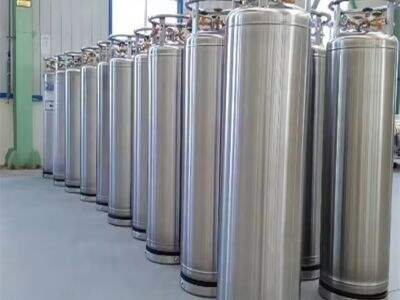
Stainless steel Dewar storage tanks is special containers for keeping very cold liquids, such as liquid nitrogen or helium. These liquids get used in science, medicine, and some industries. AGEM make these tanks to keep the liquids safe and working good. This article explain how these tanks work and why they are important for safety and performance in cryogenic uses.
What You Need to Know?
Cryogenic applications mean storing and using stuff at super low temperatures, often below -150 degrees Celsius. So any container for that need to be strong and well made. Stainless steel Dewar tanks are great for this. The stainless steel is tough and resist rust, which matter when handling cold liquids. If a container rust or break, it could be danger. With AGEM's tanks, customers can trust they get a product with high quality materials. The tanks build to last and hold the low temps needed. They come in various sizes too, helpful for from small labs to big facilities. And the design have double-walled build. That mean inner tank and outer one, which keep cold in and heat out. This is key because it stop the liquid from getting warm and make it stay usable longer. Knowing these things can help users feel better when picking a dewar containers tank.
How Stainless Steel Dewar Tanks Improve Performance in Cryogenic Applications?
Stainless steel Dewar tanks from AGEM not only boost safety but also better performance in lots of ways. First, the tanks made to deal with extreme temps. So they can keep liquids cold without issues. When liquids stay cold, they work better for what they meant to do. For instance, in medical areas, liquid nitrogen use for freezing cells and tissues. If the nitrogen warm up, it affect sample quality. AGEM’s tanks help keep temps stable, so medical pros can do their job well. In addition, these tanks are easy to handle. They often have features like vacum insulation, which reduce heat transfer. That mean even if you open the tank for some liquid, the rest inside stay cold. Moreover, AGEM’s tanks design for easy moving. Some have wheels or handles, making it simple to shift them around. This help in labs or hospitals where space tight. The more easy a tank to use, the better it perform in real situations. In short, stainless steel liquid dewar tanks are not just holders; they are key tools that improve quality and safety of cryogenic work. AGEM's focus on quality and special ideas make their tanks one of the top choices for cryogenic stuff.
What Are the Advantages of Using Stainless Steel in Cryogenic Storage?
Stainless steel is a tough metal that don't rust easy. This important for cryogenic storage, which keep things super cold, colder than ice usually! One main plus of stainless steel for these tanks is it handle low temps without cracking. Because stainless steel stay strong and bendy even when real cold. When storing gases like liquid nitrogen or oxygen, they need extreme low temps to stay liquid. Other materials might break, which dangerous. Stainless steel also good at blocking heat. So inside stay cold, and liquid don't warm quick. For safety, stainless steel win. It less likely to leak than others, so liquids stay safe inside. AGEM use stainless steel for our Dewar tanks because we want best quality and safety for customers. Plus, it easy to clean, so keeping tanks clean is simple. This prevent contamination, big problem in cryogenic apps. Overall, stainless steel for cryogenic tanks is smart pick. It keep liquids safe, strong for the job, and hold right temps so things stay good.
What Makes Stainless Steel the Preferred Choice for Cryogenic Storage?
There many reasons stainless steel top for cryogenic tanks. First, about durability. It last long time, even in hard conditions. It resist rust and corrosion, so don't break down easy, and that really matter for super cold storage. If tank rust or damage, it cause leaks, not safe. Another reason is its great strength. It hold heavy stuff without bending. This strength key when dealing with cryogenic liquids under pressure. AGEM pick stainless steel for our oxygen dewar tanks because it can take the pressures from extreme temps. Also, stainless steel non-reactive, so won't mix with liquids inside. This keep substances pure and working for their uses. The smooth surface make it easy to clean and sterile. Important in medical and science where clean critical. Last, stainless steel recyclable, so friendly to environment. Using it mean choosing safety, performance, and help planet. All these make stainless steel best for cryogenic storage, giving reliability and safety for cold liquids.
How to Maximize Efficiency with Stainless Steel Dewar Tanks?
Maximizing efficiency with stainless steel Dewar tanks about how you use and care them. First, pick right size for the job. If too big, waste space and energy. If too small, not hold enough, so refill often. AGEM offer range of sizes for needs, so choose one that fit. Next, good insulation is key. These tanks design with great insulation to keep cold in. Make sure it's well insulated help hold low temp, cut need for extra energy. Another tip, check tank regular for wear or damage. Keeping eye on it ensure safe and efficient. If see dents or leaks, fix right away to avoid worse later. Also, fill tank slow to stop splashing and vapor, which lose material. Last, regular maintenance and cleaning extend tank life. AGEM suggest routine checks to make sure all work right and clean proper for next use. With these steps, you can max efficiency of stainless steel Dewar tanks, so they work well and safe for cryogenic materials.
Table of Contents
- Enhancing Safety and Performance with Stainless Steel Dewar Storage Tanks for Cryogenic Applications
- What You Need to Know?
- How Stainless Steel Dewar Tanks Improve Performance in Cryogenic Applications?
- What Are the Advantages of Using Stainless Steel in Cryogenic Storage?
- What Makes Stainless Steel the Preferred Choice for Cryogenic Storage?
- How to Maximize Efficiency with Stainless Steel Dewar Tanks?