
 EN
EN
 AR
AR
 CS
CS
 DA
DA
 NL
NL
 FI
FI
 FR
FR
 DE
DE
 EL
EL
 IT
IT
 JA
JA
 KO
KO
 NO
NO
 PL
PL
 PT
PT
 RO
RO
 RU
RU
 ES
ES
 TL
TL
 ID
ID
 SK
SK
 SL
SL
 UK
UK
 VI
VI
 TH
TH
 TR
TR
 AF
AF
 MS
MS
 SW
SW
 GA
GA
 CY
CY
 BE
BE
 KA
KA
 LO
LO
 LA
LA
 MI
MI
 MR
MR
 MN
MN
 NE
NE
 UZ
UZ

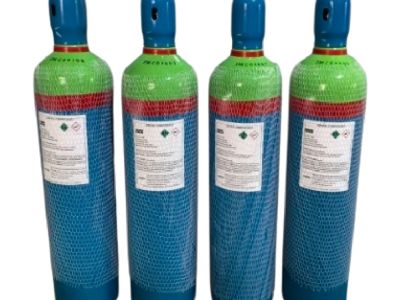
Selecting the right excimer laser gas for your photolithography equipment is crucial for optimizing performance and achieving high-quality results. This selection process can be complex, as buyers must consider various factors including gas composition, purity, compatibility with equipment, and specific applications. This article will guide purchasing managers and engineers through the key considerations necessary for making an informed decision about excimer lasers gas, helping to ensure that their investments align with operational requirements and quality standards.
How to Choose the Right Excimer Laser Gas for Your Needs?
When selecting excimer laser gas, it's essential to understand the specific requirements of your photolithography process. Excimer lasers typically use gases such as argon fluoride (ArF), krypton fluoride (KrF), and xenon chloride (XeCl), each having unique properties that affect laser performance.
Gas Composition: The choice of gas impacts the wavelength produced by the laser, which in turn affects the resolution and feature size achievable in photolithography. For example, ArF is commonly used for applications requiring high precision, as it emits at a wavelength of 193 nm, suitable for advanced semiconductor manufacturing.
Purity Levels: High purity levels (often 99.999% or higher) are critical to prevent contamination that could adversely affect the laser's performance. Impurities can lead to reduced efficiency and increased maintenance costs. Consider suppliers that conduct rigorous quality control processes, such as those offered by AIR GAS ELECTRONIC MATERIALS (AGEM), which regularly inspects and tests their gases.
Compatibility: Ensure the selected gas is compatible with your existing photolithography equipment. This includes understanding the gas handling systems and ensuring that the materials used in your equipment can withstand the chemical properties of the gas.
Application Requirements: Different applications may require specific gas mixtures to optimize performance. Understanding your application’s needs will help you select the appropriate gas composition.
Where to Find Reliable Suppliers for Excimer Laser Gases?
Finding a trusted supplier for excimer laser gases involves evaluating their reputation, product offerings, and support services. Here are some steps to identify reliable suppliers:
Industry Research: Start by researching manufacturers with a proven track record in supplying specialty excimer gas and who have experience in the photolithography sector. Look for companies that have established expertise and extensive global reach, such as AGEM, which serves six regions worldwide.
Certifications and Quality Standards: Choose suppliers that adhere to international quality standards and have certifications that ensure the safety and reliability of their products. This is an essential factor in maintaining the integrity of your production processes.
Customer Support and Technical Assistance: Effective supplier relationships are built on good communication and support. Evaluate suppliers based on their ability to provide technical assistance, timely delivery, and comprehensive customer service.
Trial Samples: Request samples to assess the gas quality before making a bulk purchase. This will allow you to verify the gas’s performance under your specific operational conditions.
Cost Factors When Sourcing Excimer Laser Gases in Bulk
When sourcing excimer laser gases in bulk, several cost factors come into play. Understanding these will help you make more informed purchasing decisions:
Volume Discounts: Many suppliers offer price breaks for larger orders. However, consider your actual usage needs to avoid over-purchasing and potential waste.
Transportation and Handling Costs: Costs associated with shipping and handling can vary significantly based on the supplier’s location and the required delivery speed. Ensure you factor in these costs when comparing suppliers.
Regulatory Compliance: Depending on your location, there may be specific regulations regarding the storage and transport of specialty gases. Compliance with these regulations may incur additional costs or require specialized handling procedures.
Quality Assurance Costs: Investing in high-purity gases may result in a higher upfront cost but can yield savings in terms of reduced downtime and lower maintenance expenses over time.
Installation Guidance for Excimer Laser Gas in Photolithography
Proper installation of excimer laser gas systems is vital for ensuring safe and efficient operation. Here are some best practices:
Follow Manufacturer Guidelines: Always adhere to the installation guidelines provided by your gas supplier and equipment manufacturer. This ensures that all components are compatible and that safety standards are met.
Safety Precautions: Excimer gases can be hazardous, so it is crucial to implement appropriate safety measures during installation. This includes using gas detection systems and ensuring proper ventilation in the workspace.
Testing and Calibration: After installation, conduct thorough testing and calibration of the gas delivery system. This is vital to ensure that the gas flow rates and pressure settings align with your equipment's specifications.
Regular Maintenance Checks: Schedule regular maintenance checks on the gas systems to identify potential issues early. This proactive approach can help prevent unexpected downtimes and costly repairs.
Applications of Excimer Laser Gas in Advanced Manufacturing
Excimer laser gases play a pivotal role in various advanced manufacturing applications. Their unique properties enable precision work in several areas:
Semiconductor Fabrication: In semiconductor manufacturing, excimer lasers are essential for photolithography processes, allowing for the creation of intricate micro-patterns on silicon wafers. The precision offered by excimer laser gas directly correlates to the performance of the final semiconductor products.
Micro-Machining: The high-energy pulses of excimer lasers enable the micro-machining of hard materials, making them suitable for creating fine features in metals, ceramics, and polymers. This capability is critical in industries such as aerospace and medical device manufacturing.
Display Technology: Excimer lasers are used in manufacturing thin-film transistors and other components in advanced display technologies, contributing to the high-resolution screens found in modern electronics.
Surface Treatment: The ability of excimer lasers to modify surface properties without affecting the bulk material makes them valuable for applications in surface cleaning, modification, and thin-film deposition.
By understanding how to select the right excimer laser gas for your photolithography equipment, you can enhance process efficiency and product quality. With careful consideration of supplier reliability, cost factors, installation best practices, and application suitability, you will be well-equipped to make informed purchasing decisions that align with your manufacturing goals.
Table of Contents
- How to Select the Right Excimer Laser Gas for Your Photolithography Equipment?
- How to Choose the Right Excimer Laser Gas for Your Needs?
- Where to Find Reliable Suppliers for Excimer Laser Gases?
- Cost Factors When Sourcing Excimer Laser Gases in Bulk
- Installation Guidance for Excimer Laser Gas in Photolithography
- Applications of Excimer Laser Gas in Advanced Manufacturing