
 EN
EN
 AR
AR
 CS
CS
 DA
DA
 NL
NL
 FI
FI
 FR
FR
 DE
DE
 EL
EL
 IT
IT
 JA
JA
 KO
KO
 NO
NO
 PL
PL
 PT
PT
 RO
RO
 RU
RU
 ES
ES
 TL
TL
 ID
ID
 SK
SK
 SL
SL
 UK
UK
 VI
VI
 TH
TH
 TR
TR
 AF
AF
 MS
MS
 SW
SW
 GA
GA
 CY
CY
 BE
BE
 KA
KA
 LO
LO
 LA
LA
 MI
MI
 MR
MR
 MN
MN
 NE
NE
 UZ
UZ

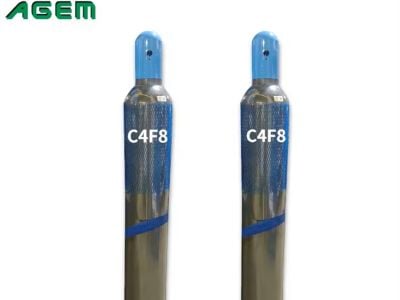
Maximizing freshness in seafood products is crucial for maintaining quality and extending shelf life. This article focuses on the role of carbon monoxide (CO) in fishery fresh keeping and seafood shelf life enhancement. B2B buyers, including purchasing managers and distributors, often seek effective solutions to preserve the freshness of seafood products. We will explore key specifications for CO in seafood applications, criteria for selecting the right supplier, common preservation issues, CO standards, and installation guidance for co gas systems.
Key Specifications for CO in Seafood Applications
When considering carbon monoxide for seafood preservation, understanding technical specifications is vital. The primary role of CO in fishery fresh keeping is its ability to enhance the appearance and perceived freshness of seafood by preventing oxidation. Here are the key specifications to consider:
Purity Level: The purity of CO directly affects its effectiveness in seafood applications. A minimum purity level of 99.5% is generally recommended to ensure optimal performance without introducing impurities that could compromise quality.
Concentration: The concentration of CO used in seafood preservation is typically maintained at a controlled level, often ranging between 0.1% to 0.3%. This concentration is effective in maintaining color without adversely affecting flavor or safety.
Storage Conditions: CO must be stored in high-pressure cylinders under specific temperature conditions to maintain stability. Buyers should ensure the supplier provides proper handling and storage guidelines.
Regulatory Compliance: It's essential to verify that the co2 used complies with local food safety regulations, as different regions have varying standards for its use in food preservation.
Understanding these specifications can help buyers select the appropriate CO for their specific seafood applications, ensuring product quality and consumer safety.
How to Choose the Right CO Supplier for Fishery Fresh Keeping?
Selecting the right supplier for carbon monoxide is critical to ensuring the quality and safety of seafood products. Here are essential factors to consider when evaluating CO suppliers:
Experience and Expertise: Look for suppliers with a proven track record in gas manufacturing and seafood applications. A company like AIR GAS ELECTRONIC MATERIALS (AGEM), with extensive experience in specialty gases, can provide valuable insights and customized solutions.
Quality Control Processes: Ensure that the supplier has rigorous quality control measures in place, including regular inspections and testing of their CO products. This helps guarantee the purity and reliability of the gas supplied.
Customization Capabilities: Suppliers should be able to provide tailored solutions based on specific customer requirements, including packaging options, delivery schedules, and volume needs.
Certification and Compliance: Verify that the supplier adheres to relevant industry standards and has necessary certifications for food-grade gases. This ensures that the carbon monoxide co being provided is safe for use in seafood preservation.
Technical Support: A supplier should offer adequate technical support, including guidance on installation and maintenance of CO systems. This can be crucial for ensuring optimal usage and troubleshooting potential issues.
By carefully evaluating these factors, buyers can make informed decisions when selecting a CO supplier, thereby enhancing their seafood fresh keeping processes.
Common Problems in Seafood Preservation and CO Solutions
While carbon monoxide is effective for seafood preservation, several challenges may arise during its application. Here are some common problems and the corresponding CO solutions:
Color Degradation: Over time, seafood may lose its appealing color due to oxidation. CO helps maintain the vibrant appearance of fish by inhibiting oxidative processes. However, improper CO concentrations can lead to uneven coloration. It is crucial to monitor and adjust CO levels to achieve consistent results.
Flavor Alteration: Some buyers may be concerned about potential flavor changes when using CO. However, at appropriate concentrations, CO does not significantly impact the flavor profile of seafood. Conducting taste tests with small sample batches can help assess flavor integrity before mass application.
Regulatory Challenges: Compliance with local regulations regarding the use of CO in food preservation can be complex. Buyers should work closely with suppliers who are knowledgeable about the regulatory landscape and can provide documentation to ensure compliance.
System Maintenance Issues: CO systems require regular maintenance to function effectively. Suppliers should provide guidance on maintenance schedules and procedures to prevent operational issues, ensuring continuous preservation of seafood quality.
Addressing these common challenges with effective CO solutions can significantly enhance seafood preservation and extend shelf life.
CO Standards for Seafood Freshness Maintenance
Adhering to established standards for CO usage in seafood applications is essential for ensuring product quality and safety. Here are key standards to consider:
Food Safety Regulations: CO use in seafood preservation must comply with food safety regulations set by local and international regulatory bodies. This includes guidelines on acceptable concentration levels and safety assessments.
ISO Standards: Certain ISO standards may apply to gas production and distribution. Suppliers should be certified under relevant ISO standards, which indicate that they adhere to quality management systems and consistent production practices.
Quality Assurance Protocols: Implementing quality assurance protocols throughout the supply chain, from manufacturing to delivery, helps maintain the integrity of CO. This includes regular testing for purity and concentration levels before distribution.
Traceability: Ensure that suppliers can provide traceability information for their CO products. This includes documentation that tracks the gas from production through delivery, which is crucial for compliance and quality assurance.
By adhering to these standards, buyers can ensure that their seafood products remain fresh and safe for consumption.
Installation Guidance for CO Systems in Seafood Distribution
Proper installation of CO systems is crucial for maximizing their effectiveness in seafood distribution. Here are essential guidelines for successful installation:
Site Assessment: Conduct a thorough assessment of the installation site to determine the appropriate system size and configuration based on the expected volume of seafood to be preserved.
Safety Protocols: Prioritize safety by ensuring that installation complies with relevant safety regulations. This includes proper ventilation, emergency shut-off systems, and leak detection mechanisms.
Training: Provide training for personnel responsible for operating the CO systems. This includes understanding how to monitor CO levels, troubleshoot issues, and conduct regular maintenance checks.
Integration with Existing Systems: When installing CO systems, ensure that they can be integrated with existing refrigeration or preservation systems. This compatibility is essential for maintaining optimal conditions throughout the seafood supply chain.
Regular Maintenance: Establish a routine maintenance schedule to ensure that CO systems operate efficiently. Regular checks can prevent potential issues and optimize the preservation process.
By following these installation guidelines, buyers can ensure that their CO systems function effectively, supporting the freshness and quality of seafood products throughout distribution.
Maximizing freshness through the use of CO in seafood preservation is a complex but vital process. By understanding key specifications, choosing the right supplier, addressing common challenges, adhering to standards, and ensuring proper installation, buyers can significantly enhance the quality and shelf life of their seafood offerings.
Table of Contents
- Maximize Freshness: CO for Fishery FreshKeeping and Seafood Shelf Life Enhancement
- Key Specifications for CO in Seafood Applications
- How to Choose the Right CO Supplier for Fishery Fresh Keeping?
- Common Problems in Seafood Preservation and CO Solutions
- CO Standards for Seafood Freshness Maintenance
- Installation Guidance for CO Systems in Seafood Distribution