
 EN
EN
 AR
AR
 CS
CS
 DA
DA
 NL
NL
 FI
FI
 FR
FR
 DE
DE
 EL
EL
 IT
IT
 JA
JA
 KO
KO
 NO
NO
 PL
PL
 PT
PT
 RO
RO
 RU
RU
 ES
ES
 TL
TL
 ID
ID
 SK
SK
 SL
SL
 UK
UK
 VI
VI
 TH
TH
 TR
TR
 AF
AF
 MS
MS
 SW
SW
 GA
GA
 CY
CY
 BE
BE
 KA
KA
 LO
LO
 LA
LA
 MI
MI
 MR
MR
 MN
MN
 NE
NE
 UZ
UZ

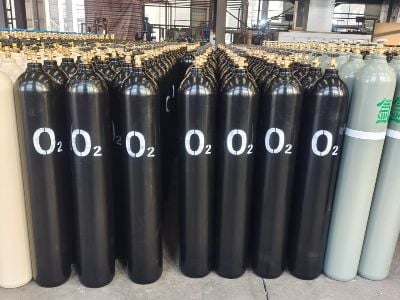
Choosing the right high purity gas for your laboratory and research applications is crucial to ensuring accurate results and safe operations. With numerous gases available on the market, buyers often face challenges in selecting the appropriate type that meets specific needs. This article will guide you through the essential factors to consider when evaluating ultra high purity gas, helping you make informed purchasing decisions that align with your laboratory's requirements.
How to Choose the Right High Purity Gas for Your Applications?
Selecting the right high purity gas begins with understanding your application's specific requirements. High purity gases are often used in sensitive environments such as semiconductor manufacturing, pharmaceuticals, and analytical laboratories, where contamination can lead to significant errors or failures.
Key factors to consider include the gas's purity level, which can vary significantly depending on the intended use. For example, processes like electron microscopy or mass spectrometry may require ultra pure gas (99.9999% purity) to minimize contamination. Additionally, consider the gas's compatibility with your equipment—certain gases may react with materials used in gas delivery systems or analytical instruments. Finally, assess the delivery method and packaging, as these can affect the gas's stability and performance during use.
Key Specifications to Evaluate When Selecting High Purity Gases
When evaluating high purity gases, there are several critical specifications to consider:
Purity Level: Ensure the gas meets or exceeds the required purity standards for your application. This specification is vital, as even trace impurities can affect the results of sensitive experiments.
Molecular Composition: Understanding the gas's molecular structure is essential, especially in applications where specific isotopes or mixtures are required.
Packaging and Storage: The type of cylinder or container used can impact gas quality. Look for suppliers that adhere to stringent quality control processes, ensuring that the gas remains uncontaminated during storage and transport.
Delivery System: Evaluate whether the gas can be supplied in a manner compatible with your existing systems. Different applications may require specific pressure levels or flow rates.
Regulatory Compliance: Ensure the gas complies with relevant industry regulations and safety standards, which can vary by region and application.
By thoroughly examining these specifications, you can better align your gas selection with the demands of your laboratory processes.
Quality Control Processes in High Purity Gas Manufacturing Explained
At AIR GAS ELECTRONIC MATERIALS (AGEM), our commitment to quality is reflected in our rigorous manufacturing processes. High purity gases undergo stringent quality control measures that include regular inspections and testing to ensure they meet the required purity levels.
The quality control process typically involves several stages:
Raw Material Verification: Only high-quality raw materials are used in the production of high purity argon gas. Suppliers are evaluated based on their adherence to quality standards.
Production Testing: Each batch of gas is tested to confirm its purity and composition. This involves advanced analytical techniques such as gas chromatography and mass spectrometry.
Final Inspection: Before shipping, gases undergo a final quality assessment to verify their suitability for intended applications. This step is crucial in ensuring that customers receive products that meet their specifications.
Documentation: Comprehensive documentation accompanies each gas shipment, detailing purity levels, batch numbers, and compliance with relevant standards. This traceability is vital for laboratories needing to maintain rigorous quality assurance protocols.
By understanding these quality control processes, buyers can have confidence in the reliability of the high purity gases they select.
Common Problems with High Purity Gases and Their Solutions
Despite the advanced manufacturing processes, there are common challenges associated with high purity gases that buyers should be aware of:
Contamination: One of the primary concerns is contamination from the storage or delivery system. To mitigate this, it is crucial to use appropriate storage cylinders and ensure all connections are secure. Regular maintenance of the gas delivery system can also prevent contamination.
Inconsistent Purity Levels: Variations in gas purity can lead to inaccurate results. To avoid this, establish a relationship with a reputable supplier known for consistent quality, and always request detailed purity reports.
Cylinder Leakage: Leaks in gas cylinders can compromise gas quality and safety. Regular inspections and adherence to proper handling protocols can help identify and address potential leaks before they become an issue.
Gas Reactivity: Certain high purity gases may react with other materials, leading to degradation or contamination. Understanding the chemical properties of the gas and ensuring compatibility with existing laboratory materials is essential.
By proactively addressing these potential problems, buyers can enhance the reliability and safety of their high purity gas applications.
Installation Guidelines for High Purity Gas Systems in Laboratories
Proper installation of high purity gas systems is essential for maintaining gas quality and ensuring safe operation. Here are some key guidelines to follow:
System Compatibility: Ensure that the gas delivery system is compatible with the type of high purity gas being used. Different gases may require specific fittings, regulators, and monitoring equipment.
Leak Testing: After installation, conduct thorough leak tests on all joints and connections. This step is crucial in preventing gas loss and ensuring safety.
Minimize Contamination Risks: Implement cleanroom protocols during installation to minimize contamination risks. This involves using clean tools and wearing appropriate protective gear.
Regular Maintenance: Schedule routine maintenance checks on gas delivery systems to ensure they operate efficiently and safely. This includes replacing filters and inspecting regulators and hoses for wear.
Training: Ensure that personnel involved in gas handling are adequately trained in safety protocols and equipment usage. This training can significantly reduce the risk of accidents and ensure compliance with regulatory standards.
By adhering to these installation guidelines, laboratories can optimize their high purity gas systems for better performance and safety.
Table of Contents
- How to Choose the Right High Purity Gas for Your Laboratory and Research Applications?
- How to Choose the Right High Purity Gas for Your Applications?
- Key Specifications to Evaluate When Selecting High Purity Gases
- Quality Control Processes in High Purity Gas Manufacturing Explained
- Common Problems with High Purity Gases and Their Solutions
- Installation Guidelines for High Purity Gas Systems in Laboratories