Криоген дювар нь ихэнхээс хамгийн сонирхолтой материал, жишээлбэл, клетка, тасалсан эмзэг буюу бусад шинжлэх ухааны судалгаагаар ашигладаг биологийн зүйлсийг ажиллуулах, хадгалахад ашиглагддаг чухал тоног төхөөрөмж юм. Эдгээр нь хязгааргүй төрлийн контейнерууд бөгөөд танд ямар ч нөхцөл байдлын дараа таны заримыг дахин хийж, цаг агаарын доод хэмжээнд хадгалах боломжийг олгодог.
Криоген дуварыг ашиглахад хамгийн их хэрэглээ нь урт үеийн т时代间д шинжилгээний зураасуудыг илүү сайн үедээ хадgalчихдаг байдаг. Криоген температурт баригдахаар байршуулсан үед биомассын зураасууд нь чухал эсвэл редкийн зураасууд болон хадгалбагүй, ханшингүй болоход хамгийн их хамаардаг. Энэ нь өөрөөр хэлбэл зураасууд алдаатай болох эсвэл ханшингүй болоход дахин олох шаардлагатай байдаг.
Мөн криоген дуварыг ашиглан хадгалж байхад зураасууд нь оптимал үеэр хадгалагдана. Дуварын доторх температурыг тодорхойлсон үед шинжлэх ухааны чиглэлүүдийн ажилтанууд нь үүнд байгаа бүх зураасууд нь ижил нөхцөлд хадгалагдаж байгааг мэдэх боломжтой. Энэ нь үзүүлэгчидийн үр дүнг илүү тэнцвэртэй байдлаар хадгалж, гаднаас хамаарах хувьсагчдыг (ургамлын үр дүнг өөрчлөх боломжтой байдал) хасахад тусална.
Хүчирхэг шинж чанарууд нь цөмийн эрсдлийн дэвсгэрүүдийн талбарт үргэлжлэн ашиглагдаж байгаа бөгөөд эдгээр дэвсгэрүүдийн ажиллах хамгийн сайн үедээ болохыг зөвлөж байна. Энэ секторын сүүлийн шинэчлэл нь суперпроводимасыг ашиглахад зориулагдсан бөгөөд энэ нь дэвсгэрүүдийг дахин нээж, ихэвчлэн хөгжүүлэх зорилготой.
Суперпроводиматай цөмийн эрсдлийн дэвсгэрүүд нь хелийн цөм ба актив криокуулераар хамтран ажилладаг бөгөөд энэ нь ихэвчлэн босоо температур рүү орж ирэх боломжтой. Энэ технологийн тухайн аюулгүй байдлын хувьд тодорхой хэмжээнд хурдан охин температурыг татаж авах боломжтой бөгөөд хамгийн ихээр хяналттай температурыг хадгалахад хямдарсан энергийг ашигласан.
Хол уурхайн технологийн өөр ашиглалт нь RFID (радио дунд цахилгаан идэвхжүүлэгч) зурагтайгаар шинжилгээний мөрдөгчидыг бүртгэх, хэрэглээнийг бодоход ашиглах юм. Эдгээр зураг талбай нь ихэвчлэн мөрдөгчид дээрээс хамааран байршуулж болно, энд мөрдөгчийн байрлал, хэмжээний хязгаарлагдсан температуртай гишүүдийг олон удаа авчирч байгааг анхаарна. Систем нь мөрдөгчид ямар чухал хувьсгалтайгаа хамтран ажилладаг, эдгээр мэдээллийг шинэчлэх, сурахад зориулагдсан.
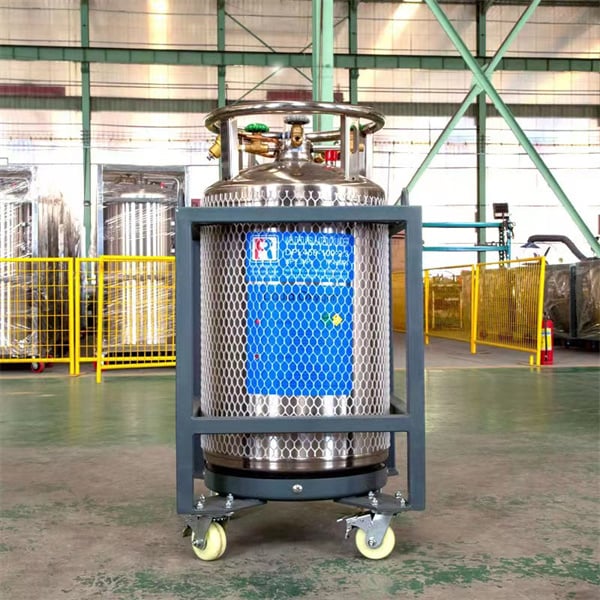
Цөлт барих (зүрхний материалуудыг удаан хадgalах зорилгоор тусгах үйлдэл) цөлт баригч дээвэрсэн системийн ашиглахад ихээхэн хамаарна. Өөрөөр хэлбэл, цөлт барих химийн шинж чанарууд нь эм газруудыг цөлтөөр тусгах өмнө нэмэгддэг бөгөөд эдгээр нь эм, өвчнийг цөлтөөр тусгахад туслана. Цөлт баригч дээвэрсэн систем нь бага температур, цөлт барих үедээ бүх зүйлсийг зөв хадгалдаг.
Хоёр дахь ихээхэн чухал элемент нь эм газар цөлтөөр хурдан тусгах боломж юм (цөлт барих химийн шинж чанаруудын нэгэн төрөл нь хоолой үүсгэх агент юм). Хурдан цөлтөөр тусгах нь эмний хортонгуйг хязгаарлахад тусална. Тодорхой хугацаанд хурдан цөлтөөр тусгах, эм газрыг зөв хадгалж, эмний амьдралыг хамгийн сайн байдлыг олон сургалтын үеэрээ хийхэд тусална.
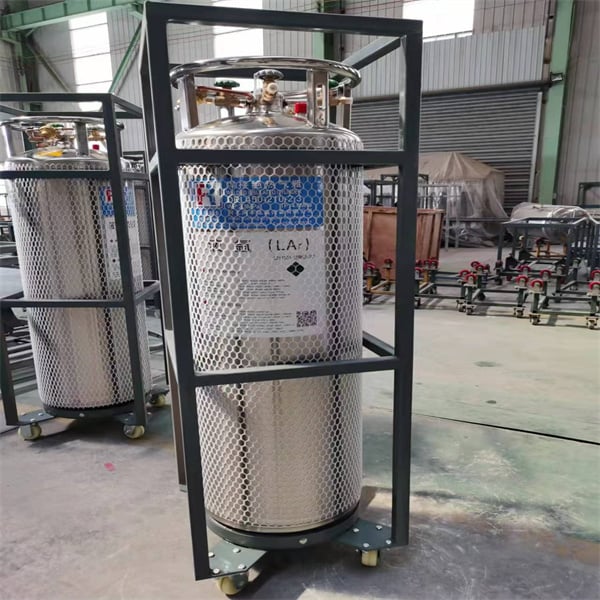
Хөдөлгөөнтой криоген дуварууд нэгж үйлчилгээний байгууллагуудад ихээр ашигладаг, тиймээс олон биологи хүчин зүйл болон вакцин урьдчилан энэ аргаар хадгалагдана. Эдгээр контейнерууд тодорхой хадгалалтайгаа харьцуулахад томоохон利益-г олгодог, үзүүлэлтийн ажлыг хурдан боловуулахад тусална.
Хөдөлгөөнтэй байдлынхаа тухайн криоген дуваруудыг колесуудтай ашиглахад ихээр хялбар болгоно. Энэ нь хамгийн ихдээ газар зүүн үйлчилгээний хязгаарлагдсан байгууллагуудад ажиллагаатай холбоотой байдалд суурилуулж, эмчилгээнд хамрагдаж буй хүн амын сэмбсийг хадгалахад тусална.
Мөн хөдөлгөөнтой криоген дуварууд нь тодорхой хадгалалтайгаа харьцуулахад хямдарсан эрхтэй байдлыг нэмэгдүүлдэг. Эдгээр контейнерууд нь сайн бүртгэлийн дагуу хадгалагдах бөгөөд шилжилтэд хамгийн ихдээ тээврийн цагт зөвхөн хамгийн бага температуртай хадгалалтыг хамгаалж, зөвхөн зөв тестийн үр дүнг олоход тусална.
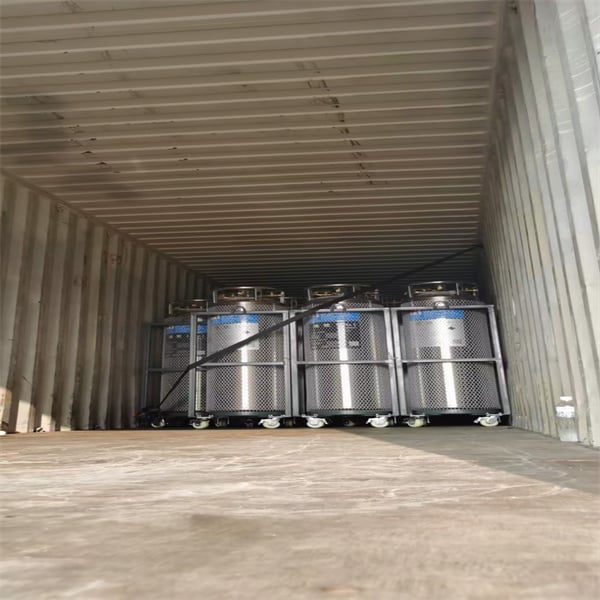
Дулаарын шөнөжлөлийн туршлага дээр криоген дюварууд нь орбит дэх мэргэжлийн амт, материалуудыг хадгалах, боловсруулахад их хэрэгцээтэй байдаг. Эдгээр цолыг хадгалах үед зөвхөн гарагт байгаа чадварлаг эрэлттэй байдаг учраас тэд бол хамгийн томоохон далайн туршлага, хамгийн урт замд явдаг мисийн анхны үеэс хамгийн сүүлийн үе рүү амжилттай явуулалтын хувьд ихээхэн хамаардаг.
Криоген дюваруудын хамгийн их хэрэглээ нь ликвид хүчирхэг, хүчирхэгтэйгээсээ илүү хязгаарлагдсан байдалд хадгалахад ашигладаг. Эдгээр амтуудыг криоген температурдаа хадгалахад тэд ликвид байдлаар хадгалагдан, хамгийн урт замд явдаг мисийн хувьд ашиглахад зориулан бэлтгэгдэнэ.
Дулаарын туршлага дээр криоген дюварууд нь биологийн зүйлсийг хадгалах, хөдөлгөөнд ороход ямар өөрчлөлт орсон эсэхийг шалгах эсвэл гадаад эрдэнэ олж авах мөнгөнд ашигладаг.
Суутай оройлолт нь зөвлөгөө тогтоож байгаа үед, криоген дюварын хэрэглээ нөөцлөх ёстой. Дараах технологийн шинжлэх ухааны ач холбогдол нь ихэнх боломжийг өгөхөөр, суутай оройлолтын гадаргуугаа хамгийн чимээгүй газарт явж, шинэ космосын эргэдлийг тодорхойлно.
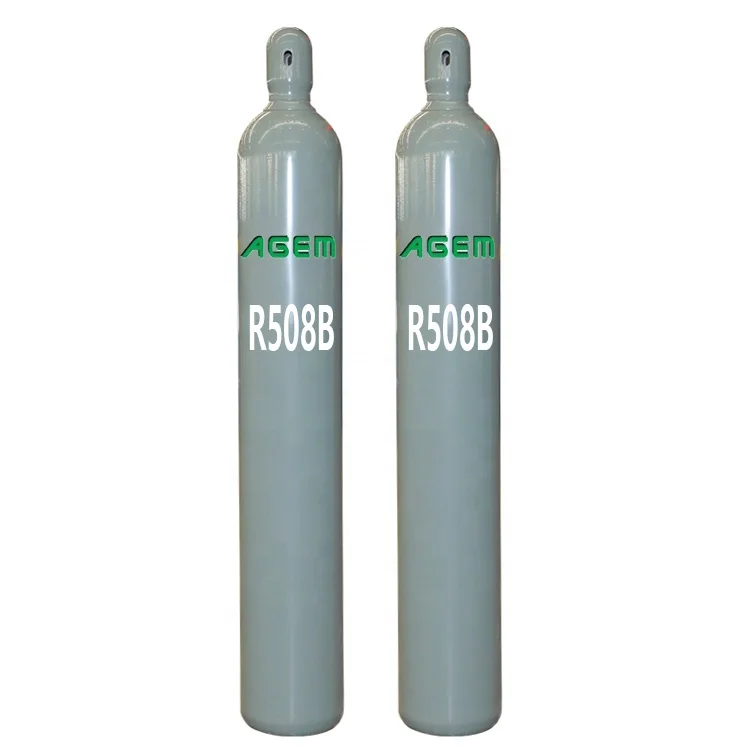
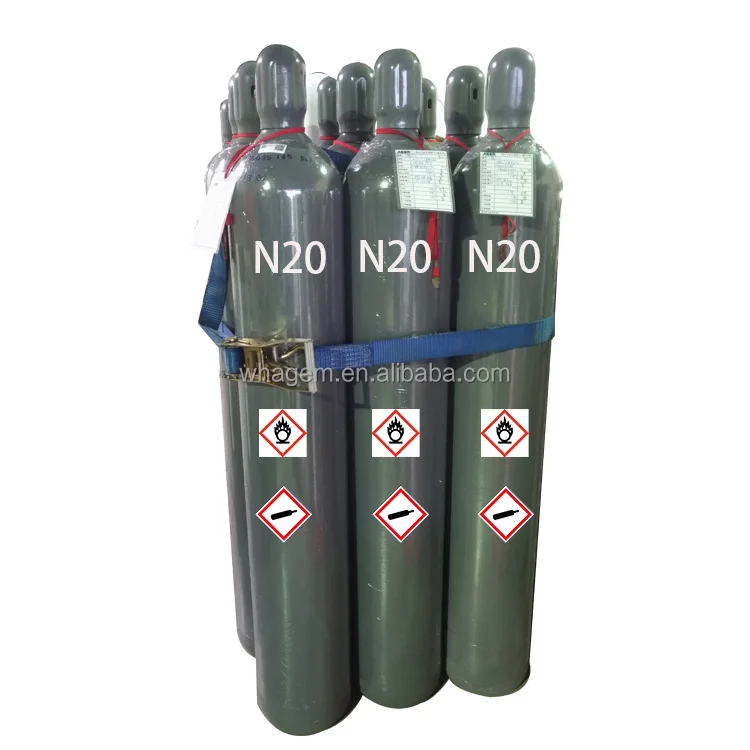
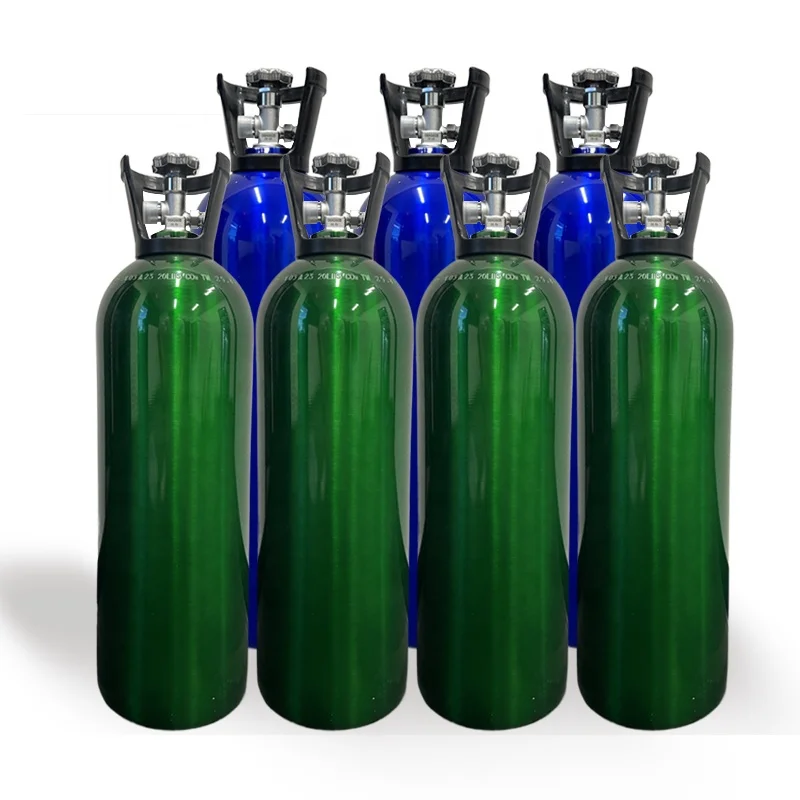
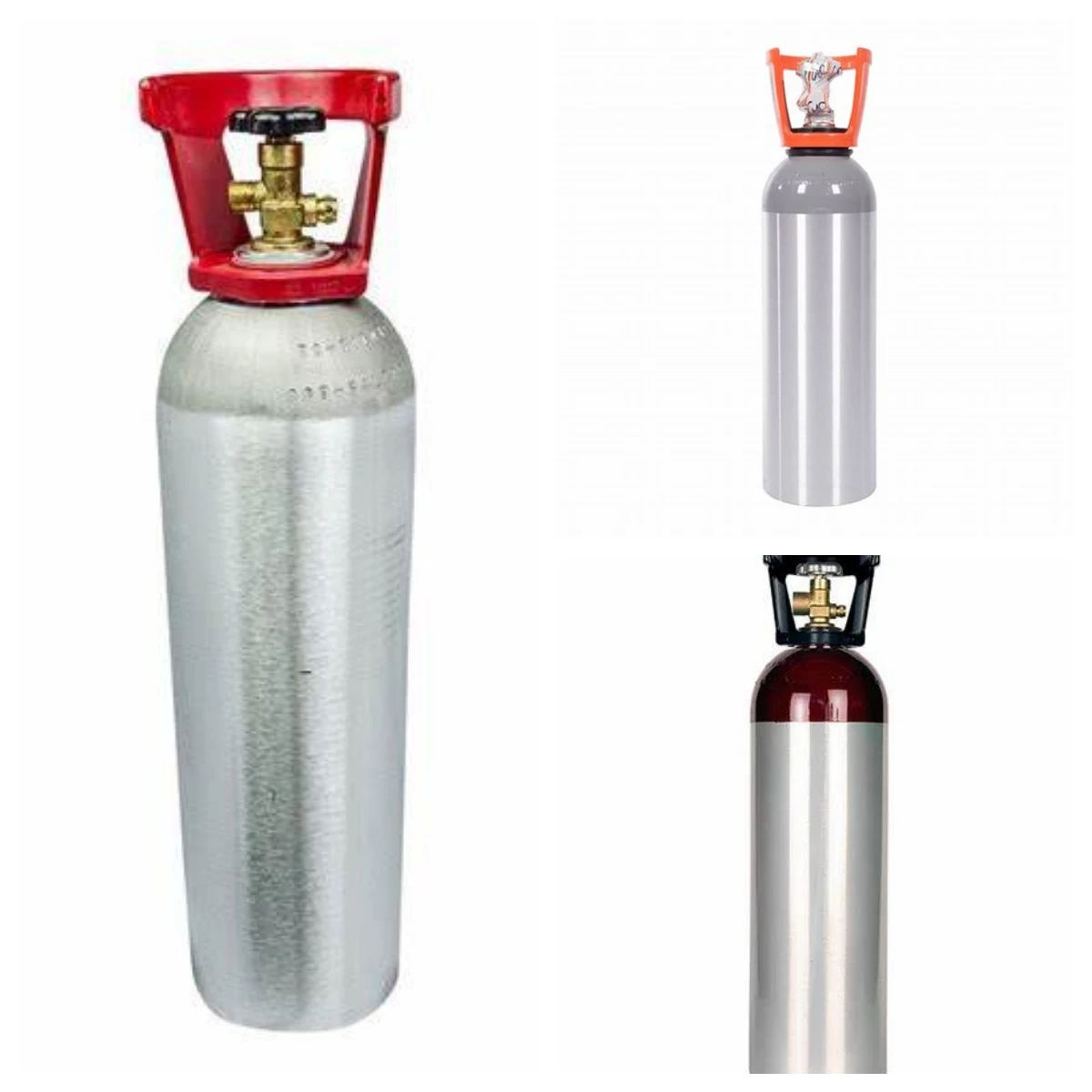
AGEM нь хамгийн ихдээ эрсдэлтэй газ, тухайн дараахыг агуулж болох хэмжээнд багтаасан цилиндрүүдийг олгоно: эрсдэлтэй газ, өндөг, суурин оксиген, аргон, нитроген, карбон dioxide, нитроус oxide. Бид их чадвартай ажиллахын тулд импортын шатуудыг ашигладаг. Газ сэргийлэх тогтвортой зорилготой газыг хадгалах тогтвортой газын давтамжийг алдахгүйгээр ашиглахад зориулагдсан. Давхар томъёоны хамгаалалтанд ашигладаг шатууд нь аюулгүй ажиллахад маш томоохон байдаг. Бид танд хамгийн ихдээ эрсдэлтэй суурин, суурин оксиген, аргон, суурин угын хувьд ашигладаг цилиндрүүдийг олгоно: Толгой хэмжээ: 80L/100L/175L/195L/210L/232L/410L/500L/1000L Ажлын нягтрал: 1.37MPa/2.3MPa/2.88MPa/3.45MPa Доторх танкийн зорилготой температур: (-196) Хойд танкын зорилготой температур: 50°C+20°C Хучирхайлалт: Хурц талбарт багтсан хучирхайлалт Хадгалагдаж буй материал: LN2, LO2, LArLCO2, LNG
Хүйтэн температурт ажилладаг дьюарын хувирах нь маш хүнд асуудал юм. Чанарыг баталж, бид хувирахыг таван удаа ба түүнээс олон удаа шалгаж бүтээдүүр. Бидний бүтээдүүр бүтнэдүүр, чанарын хатуу хяналт, мөн үйлчилгээний дараах үйлчилгээний цуглуулга бүхнэдүүр. Үүнээр бидний худалдан авагчдад өндөр чанартай бүтээдүүр хүртээмүйц болгохыг баталж бүтээдүүр. Бид үйлчилгээний харилцагчдад үзүүлж буй зориг, чанарын төлөөлөлд гордож бүтээдүүр. Бидний туршлагатай бүрэлдэхүүн үйлчилгээний харилцагчдад тусламж үзүүлж, та нарын хүссэн үйлчилгээг хангахын тулд үргэлж бүтнэдүүр. Бидний ялгаруулах зүйл — 24 цаг, 7 өдөр үйлчилгээ. Бид та нарын хүссэн үйлчилгээг хангахын тулд үргэлж бүтнэдүүр.
AGEM нь үнэ цэнгийн газын талбарт үндсэндээ харилцагчдын нэг нэгийн ихээр өөр өөр шаардлагатай байдаг тухай мэддэг. Жишээлбэл, зөөврийн газ болон өөрөөр хэлбэл харилцагчдын өөрөөсөө шаардлага байдаг. Энэ нь AGEM-ийн харилцагчдын өөрөөсөө шаардлага байгаа бүтээгдэхүүнийг өөрчлөх чадварыг олгодог. Хэрвээ таныг зөвхөн чист тооны дүн, цилиндр эерэг урт эсвэл пакеттингийн сонголтууд шаарддаг бол AGEM нь танд өөрчлөлт хийж болно. Энэ нь таны ашиглах зөөврийн газын цилингийг хамгийн сайн болгоход туслана. Тиймээс үйл ажиллагааны хямдлагыг багасгах боломжтой. AGEM-ийн бүтээгдэхүүний жагсаалт нь зөөврийн газаас хамаарахгүй. Тэдгээрийн каталог нь уг газ, химийн газ, Halocarbons ба Редк газууд, судалгааны туршлага болон бусад багийн газуудыг агуулна. AGEM нь таны шаардлага бүхий газыг олгох болно.
AGEM нь Тайван дахь газын бүтээгдэхүүн үйлдвэрлэлийн болон шинжлэх ухааны төв юм. Энэ үйлдвэр нь энэ талбарт 25 жил хэтрүүлэх шинжлэх ухааны ач холбогдолтой, дэлхийн зургаан онцлогтой бүсэнд оршин тогтоно. Тэдний мэдлэг нь дундад газ, тохиргооны газ, осон газуудад хамаарахгүй байдаг: Тайван - Каохсиung хот (Иргэний төв, ШУТ) Инд - Мумбаи, Вадодара, Коимбатуре, Пуне, Бенгалур, Дели; Хятад - Ухан; Дундад Ази - Дубай (ХАЭ), Сауди Араб; Европ - Кембридж. Бидний гаргасан газын боловсрол нь техникийн консультинг, татварлаг, шинэчлэл, зорчигчдын шалгамж, паккаж, шиппинг, зураг зургах, бүтээгдэхүүн үйлдвэрлэл юм.
AIR GAS ELECTRONIC MATERIALS (AGEM) нь Тайван дахь газын үйлдвэрлэлийн байгууллага бөгөөд дэлхий даяар 6 ялгарын хувьд ихэвчлэн хэрэглэгчдийн, электроникийн, том хэмжээний болон шалгах газуудын талд ихэвчлэн мэргэжилтэй байдаг
Китай, Ухань, Цианган дүүрэг, Хуансяохэ гудамж 182, Хуанчжун олон улсын плаза, А байшин, 1002-р өрөө, 430014
Copyright © Эрдэнэ Сарны Газын Электроник Материалуудын Байгууллагад хамгаалагдсан. Нууцлалын бодлого
 EN
EN
 AR
AR
 CS
CS
 DA
DA
 NL
NL
 FI
FI
 FR
FR
 DE
DE
 EL
EL
 IT
IT
 JA
JA
 KO
KO
 NO
NO
 PL
PL
 PT
PT
 RO
RO
 RU
RU
 ES
ES
 TL
TL
 ID
ID
 SK
SK
 SL
SL
 UK
UK
 VI
VI
 TH
TH
 TR
TR
 AF
AF
 MS
MS
 SW
SW
 GA
GA
 CY
CY
 BE
BE
 KA
KA
 LO
LO
 LA
LA
 MI
MI
 MR
MR
 MN
MN
 NE
NE
 UZ
UZ