
 EN
 AR
 CS
 DA
 NL
 FI
 FR
 DE
 EL
 IT
 JA
 KO
 NO
 PL
 PT
 RO
 RU
 ES
 TL
 ID
 SK
 SL
 UK
 VI
 TH
 TR
 AF
 MS
 SW
 GA
 CY
 BE
 KA
 LO
 LA
 MI
 MR
 MN
 NE
 UZ

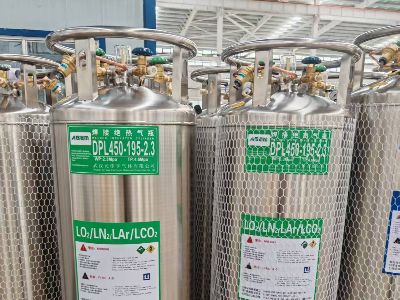
Understanding the differences between industrial and high purity oxygen gas is crucial for businesses in various sectors, from manufacturing to healthcare. These gases serve distinct purposes, and selecting the right type can significantly impact operational efficiency and product quality. We will delve into the key differences between industrial and high purity oxygen gas, addressing the main concerns of B2B buyers, including applications, sourcing, costs, and common challenges in oxygen gas usage.
How to Choose Between Industrial and High Purity Oxygen Gas?
When deciding between industrial and high purity oxygen gas, the primary factor to consider is the intended application. Industrial oxygen, typically produced with lower purity levels (around 90-99%), is suitable for processes like metal fabrication, welding, and combustion, where impurities are acceptable. On the other hand, high purity oxygen gas, often exceeding 99.5% purity, is essential for applications requiring stringent quality control, such as semiconductor manufacturing, pharmaceuticals, and aerospace.
Buyers should also evaluate the specifications of each gas type. High purity oxygen gas must meet strict standards for contaminants, as even trace amounts can compromise sensitive processes. Understanding your application requirements and consulting with suppliers, such as AIR GAS ELECTRONIC MATERIALS (AGEM), can help ensure you select the right gas for your needs.
Where to Source Reliable Suppliers for Oxygen Gas?
Sourcing reliable suppliers for oxygen gas involves assessing their production capabilities, quality control processes, and industry reputation. It's advisable to work with manufacturers who have a proven track record in the gas industry, like AGEM, which specializes in high-quality specialty gases and has a strong commitment to product excellence.
When evaluating potential suppliers, consider the following:
Certifications: Ensure the supplier holds relevant certifications that validate their quality control processes and adherence to industry standards.
Production Capacity: Confirm that the supplier can meet your volume requirements, especially for bulk orders.
Customization Options: Some applications may require specific gas mixtures or purity levels. A supplier offering customization capabilities can better meet your unique needs.
Customer Support: Reliable suppliers should provide excellent customer service, including technical support and guidance on selecting the right gas.
Cost Considerations When Purchasing Industrial vs. High Purity Oxygen
Cost is a significant factor when purchasing oxygen gas, and understanding the differences between industrial and high purity options is essential for budgeting. The industrial oxygen gas is generally more cost-effective due to its lower production costs and less stringent quality requirements. However, for applications requiring high purity, the increased costs associated with production, testing, and certification can be justified by the benefits of improved product quality and operational efficiency.
Buyers should also consider additional costs, such as transportation, storage, and potential losses due to contamination or improper handling. When preparing a request for quotation (RFQ), it’s important to provide detailed specifications, including purity levels, volume, and delivery timelines, to receive accurate pricing from suppliers.
Common Applications of Industrial and High Purity Oxygen Gas
The applications for industrial and high purity oxygen gas vary widely, highlighting the importance of selecting the appropriate type for each use case.
Industrial Oxygen Gas: Common applications include:
Welding and Cutting: Used to enhance combustion for various welding methods, improving efficiency and quality.
Metal Fabrication: Employed in processes like oxy-fuel cutting and steelmaking.
Water Treatment: Helps in the oxidation of impurities and enhancing aerobic treatment processes.
High Purity Oxygen Gas: Applications primarily include:
Semiconductor Manufacturing: Used in processes where even minimal contamination can affect product performance, such as in the etching and deposition of materials.
Pharmaceutical Production: Essential for creating sterile environments and ensuring the purity of medical gases.
Aerospace Applications: Critical for testing and manufacturing procedures where high-performance standards are mandatory.
Understanding these applications will aid buyers in making informed decisions based on their operational requirements.
Solutions for Common Problems with Oxygen Gas Usage and Supply
When dealing with oxygen gas, businesses may encounter several common issues that can impact supply and application effectiveness. Here are some solutions to consider:
Contamination: Ensure proper handling and storage of oxygen gas to prevent contamination. This includes using dedicated equipment and regularly inspecting gas cylinders for leaks.
Supply Disruptions: Establish relationships with multiple suppliers to mitigate risks associated with supply disruptions. Having a backup source can ensure continuity in operations.
Regulatory Compliance: Stay informed about local regulations regarding the use and storage of gases. Compliance can prevent penalties and ensure safe operational practices.
Quality Assurance: Implement a robust quality control system to regularly test and confirm the purity levels of the oxygen gas being used. This is crucial for industries like pharmaceuticals and semiconductor manufacturing.
By addressing these common challenges proactively, businesses can optimize their oxygen gas usage and maintain high-quality standards in their operations.
In summary, understanding the distinctions between industrial and high purity oxygen gas is essential for making informed decisions that align with specific application requirements and operational needs. By carefully considering the factors discussed, B2B buyers can enhance their purchasing strategy and ensure they select the right gas for their operations.
Table of Contents
- What Are the Key Differences Between Industrial and High Purity Oxygen Gas?
- How to Choose Between Industrial and High Purity Oxygen Gas?
- Where to Source Reliable Suppliers for Oxygen Gas?
- Cost Considerations When Purchasing Industrial vs. High Purity Oxygen
- Common Applications of Industrial and High Purity Oxygen Gas
- Solutions for Common Problems with Oxygen Gas Usage and Supply