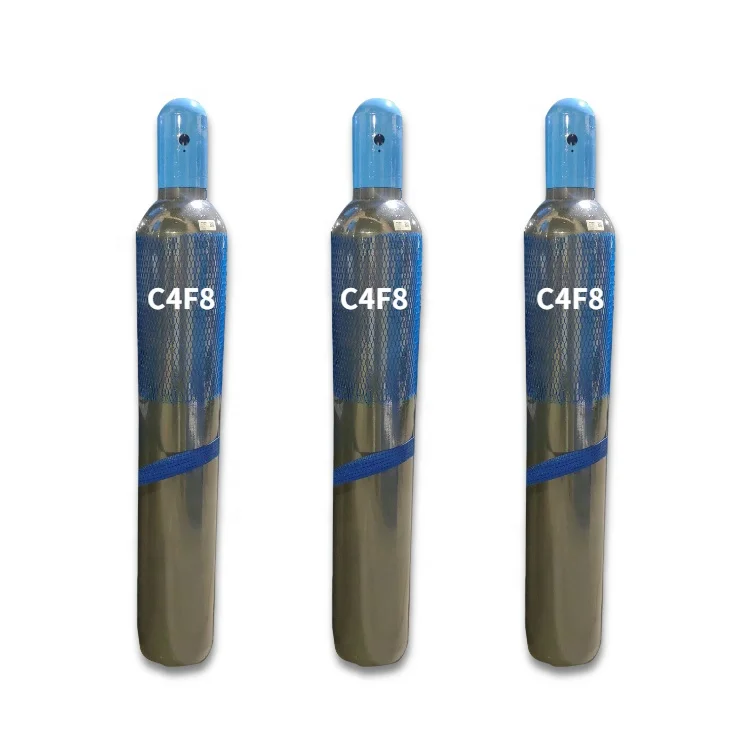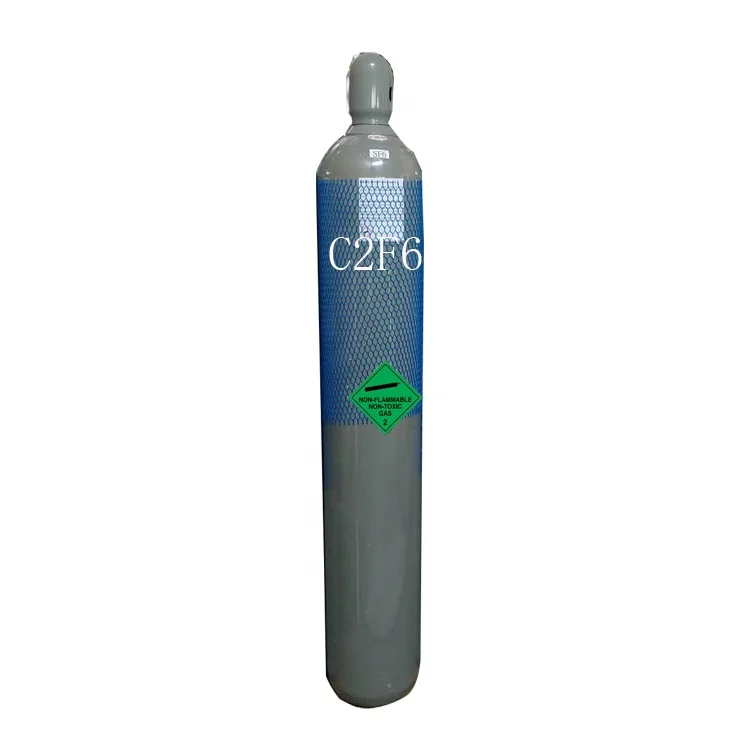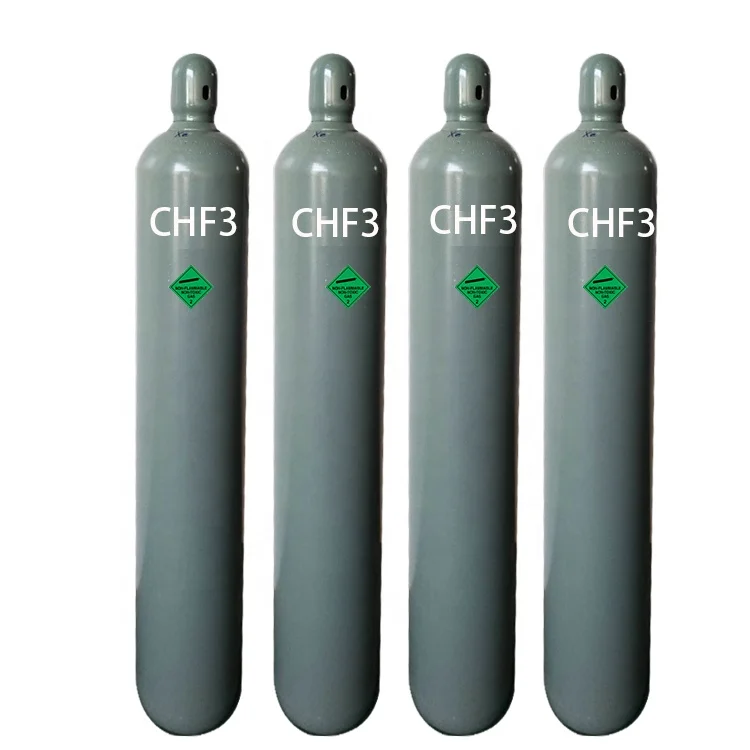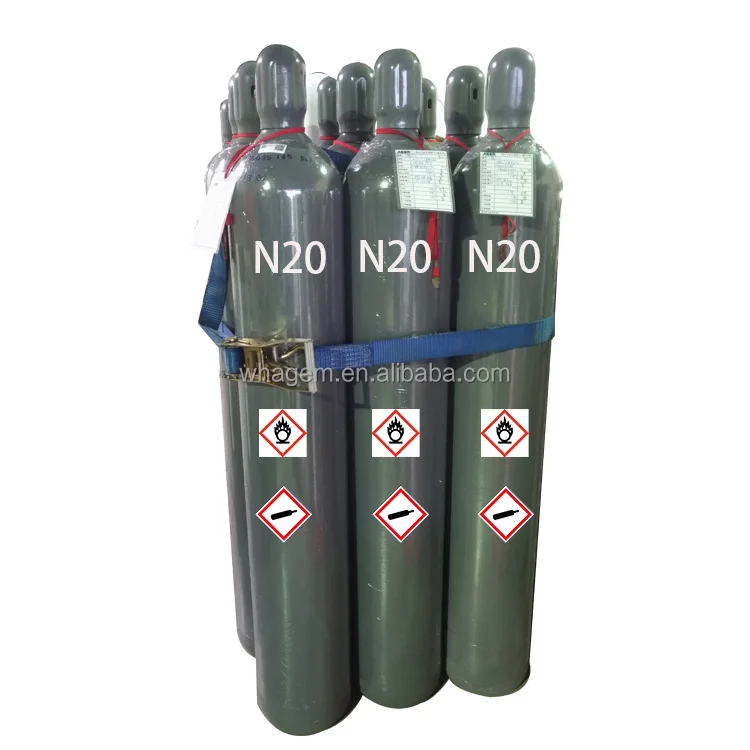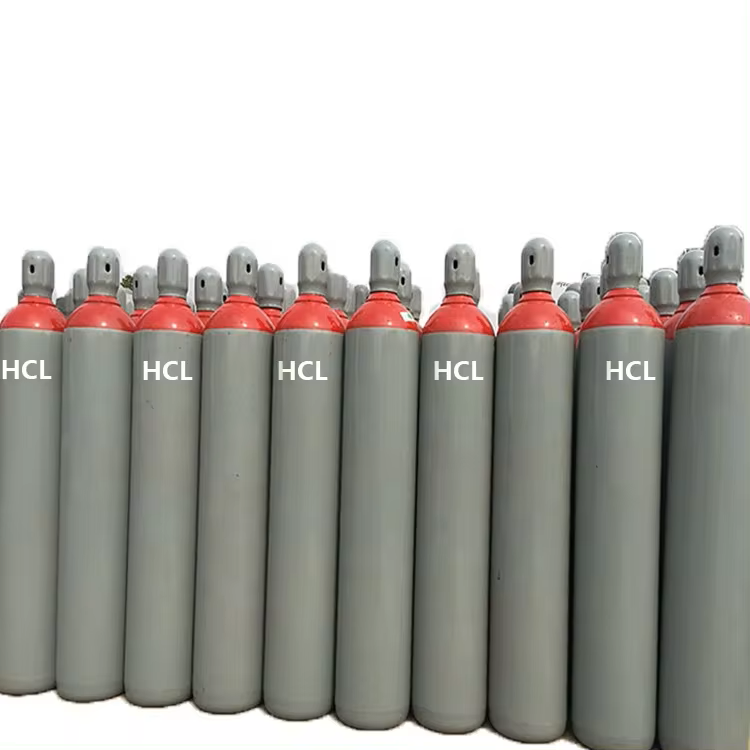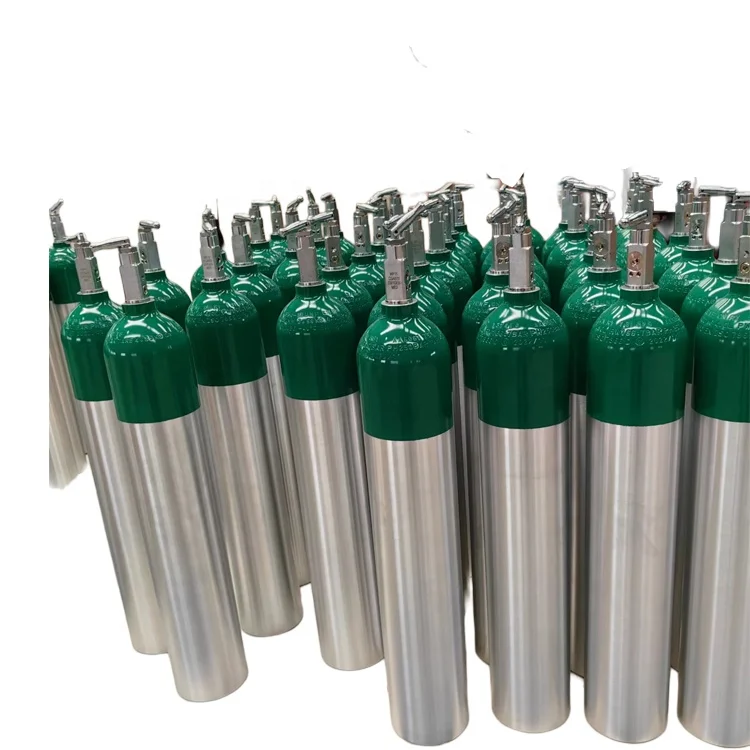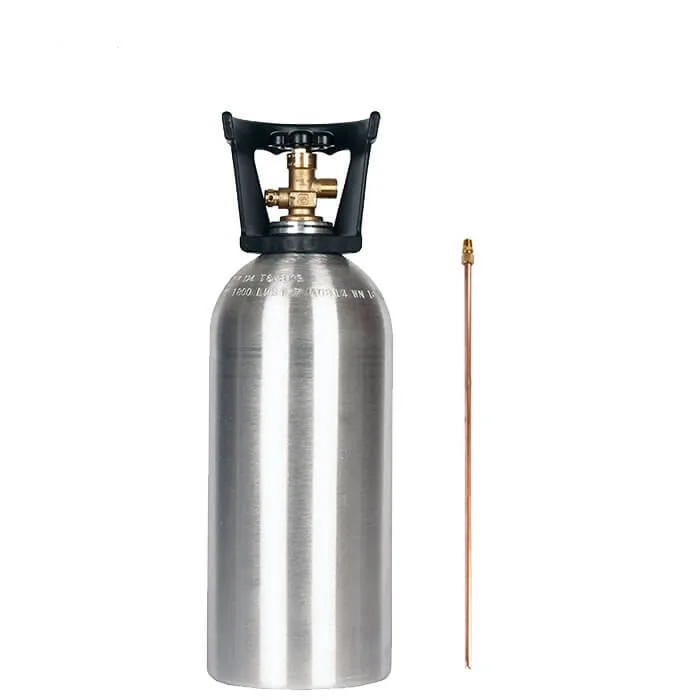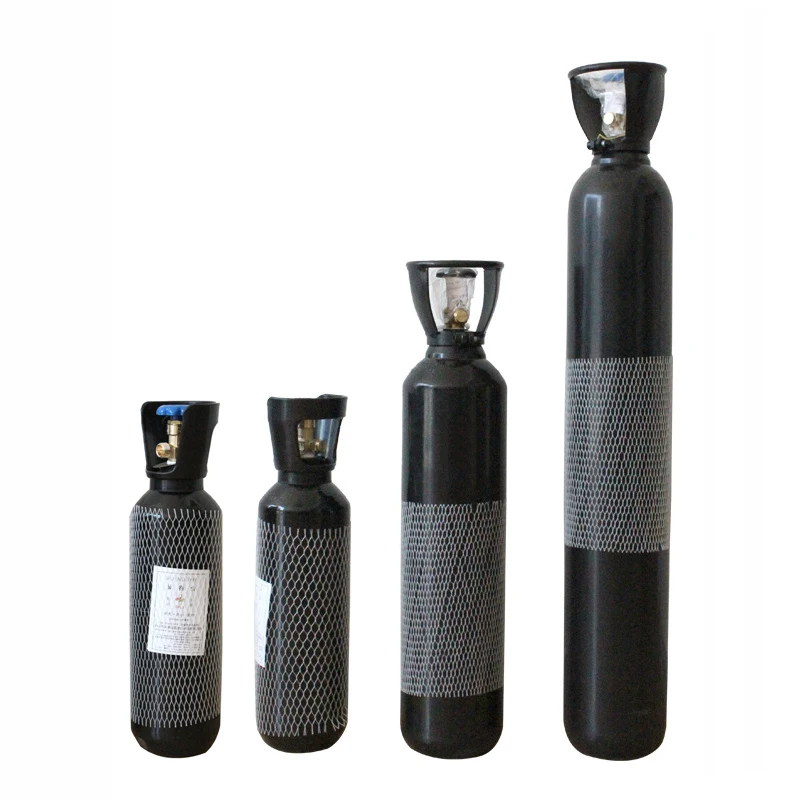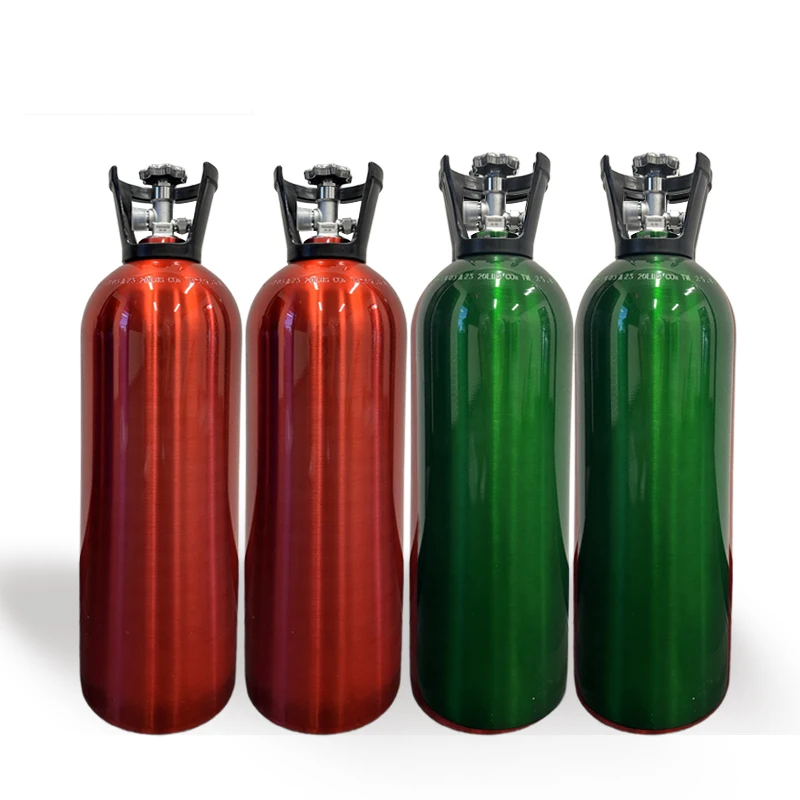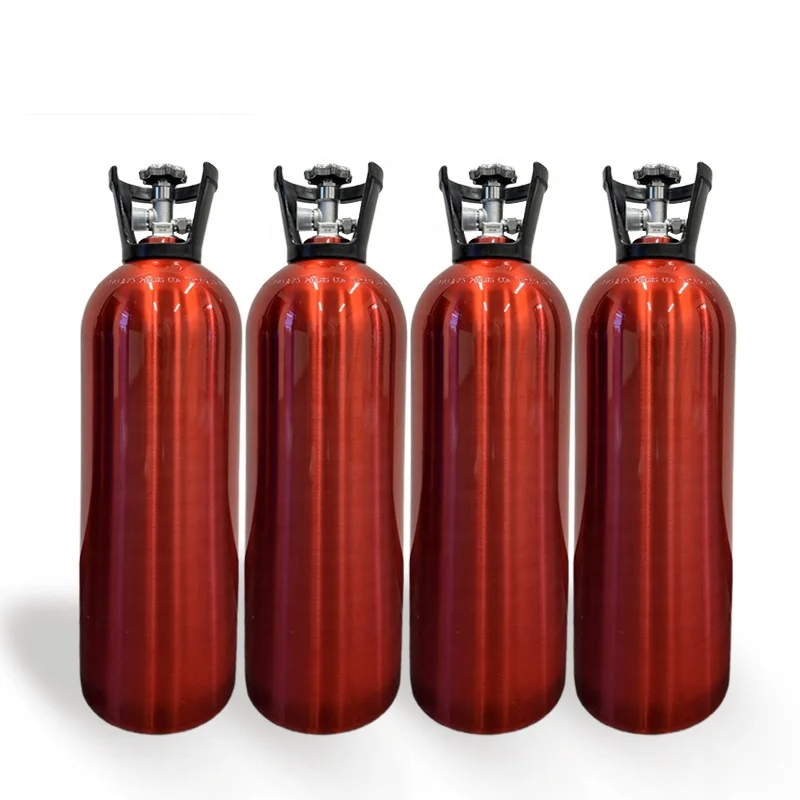
They are life-saving gases since they help patients who are in the process of treatment to breath well during operations and procedures in hospital, which is essential for their healing.
One important element in healthcare is medical gases. For many medical applications, cannulas are very important and thus probably vital during anesthetic, respiratory system rehabilitations or even transformation. The basic use of AGEM calibration gases is that oxygen must be maintained as a matter of necessity for those patients who either cannot live on their own or do not receive enough O2. Also these gases contribute towards controlling blood pressure during surgery and trained ways of analgesia. There has to be medical gas at the hospital; it could save other people’s lives so it’s substantial.
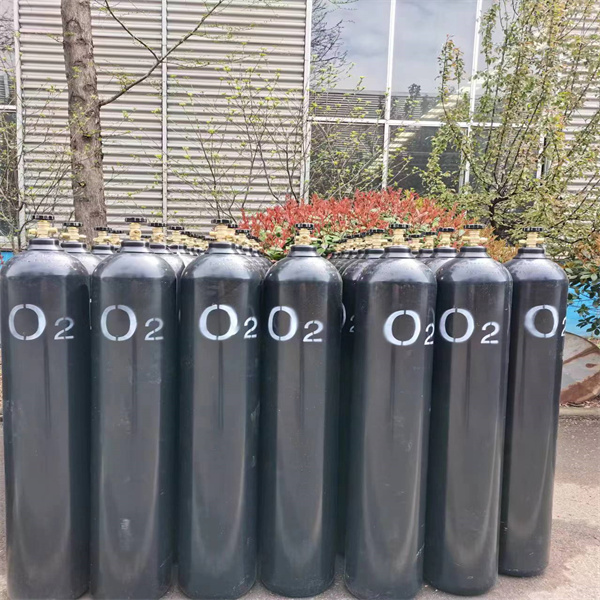
Different gases are used within the medical field based on its requirements on health care provision. Oxygen is probably one of the commonest among such gas-gases that have universal clinical application with respect to patient cases that involve respiratory failure or supplementary oxygen support. Nitrous oxide, used by surgeons as an anesthetic agent. We also find useful CO2 gas through minimally invasive surgery where there is reduced incision size and we perform laparoscopic procedures instead.
Three steps to increase safety while handling and storing medical gases
In healthcare facilities, knowledge about how to handle and store medical gases becomes a necessary factor. Whatever the case may be, these gasses are normally stored in high-pressure cylinders which require careful handling lest accidents should take place. All cylinders should always stand upright with their tops firmly attached so they will never fall over whatever happens around them. Additionally, AGEM specialty gases need protection from intense heat and direct sun rays because it can result into losing their ability to work properly; just like any other piece of advice you know that oxygen itself easily ignites (never let it come across oil and grease), for this reason, we do not need to talk about safety.
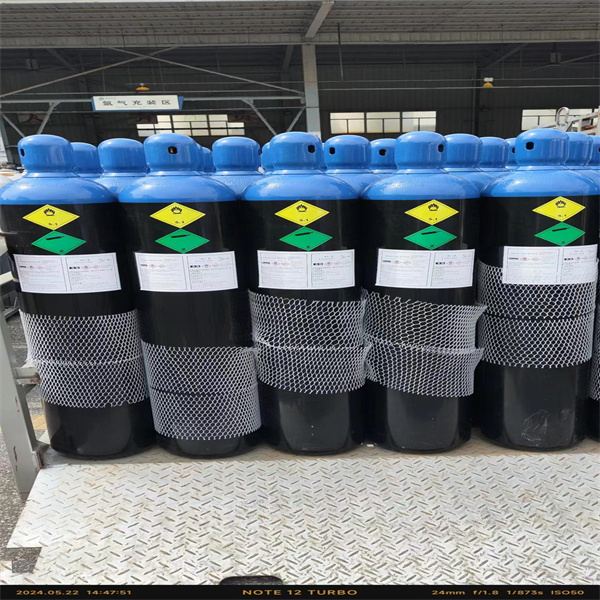
Through provision of medical gases that cater for different health needs, patients are treated at a higher level. These gasses assist in rapid ventilation, as well as analgesia and hemodynamic stability during surgical processes – some of the most important factors influencing patient outcome. In addition, medical gases can be used in inhalation to administer drugs directly into lungs which are very much useful when one’s life is in danger. For example, medical gases provide a fast and effective way of delivering key medications in patients with conditions including asthma or Chronic Obstructive Pulmonary Disease (COPD). By supplying more oxygen to the injured areas of skin, medical gasses quicken wound healing process thus leading to faster recovery.
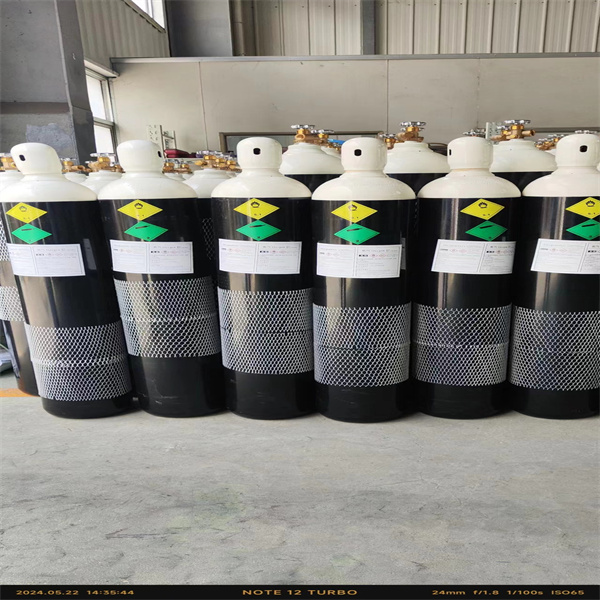
Critical care, end of life palliative care settings highly depend on gases. These gases are important in saving lives within the shortest time for critical patients towards its availability must be instant. This helps anyone who cannot breathe by themselves or whose respiratory supplies need to be filled with oxygen. Carbon dioxide (CO2) monitoring-is a way of determining patency, whether surgeons need to breath during surgery or patients do in intensive care units. For example, nitric oxide has been used as one of the medical gases that have been used in clinical practice among critically ill patients with acute respiratory distress syndrome (ARDS). In conclusion, these are lifesaving measures of critical importance involving medical gases which are absolutely necessary for healthcare.
Why? Because AGEM specialty gases do not exist in healthcare except they have many applications including those where they act as catalysts that can save people’s lives. Critical drugs like this should be handled and stored safely in our healthcare environment. The best patient-centered health care is incomplete without mastery over medical gases by all stakeholders. This is because competent understanding about other elements within health systems depends largely on a knowledgeable grasp of these facts- medical gas knowledge being such a part of this domain.
AGEM provides several cryogenic cylinders, which can handle commonly utilized super cooled gases and liquids, such as liquid oxygen, argon carbon dioxide, nitrogen, and nitrous oxide. We use imported valves and instruments to ensure maximum performance. Use gas saving device and prioritize the use of over tension gas in the gas phase space. Double safety valves are an effective method to ensure the safety of operation.We have a range of cryogenic cylinders designed to hold super-cooling liquids that are commonly found in daily use.Full Volume: 80L/100L/175L/195L/210L/232L/410L/500L/1000LWork Pressure: 1.37MPa/2.3MPa/2.88MPa/3.45MPaInner Tank Design Temperature: -196Shell Tank Design Temperature : -20oC+50oCInsulation: Vacuum with Multi-layer WrappedStored Medium: LCO2, LCO2, LCO2, LNG, LO2, L
Leaks in Medical gases is a major problem. We test for leaks at least five times to ensure quality. Our company offers a complete production and testing line and the application of rigorous quality control and a perfect after-sales service system, to ensure that customers receive top-quality products and a full range of services. Our dedication to providing excellent customer service and high-quality is something we are proud of. Our skilled team is always on hand to assist you and ensure that you receive the best service to your utmost satisfaction. Our 24X7 service is what sets us apart. We are here for you all day, every the all the time.
AGEM understands that different customers have their own requirements with regard to special gases such as calibration gases. We can provide tailored solutions to meet our customers particular requirements. When you require a certain purity degree, size of cylinder, or packaging choice, AGEM can work with clients to customize their products to your exact requirements. This degree of customization will ensure that you will receive the most suitable calibration gas and cylinders for your specific needs increasing overall efficiency and performance. AGEM provides a variety of products, not just calibration gases. The catalog of AGEM contains Hydrocarbon Gases Chemical Gases, Halocarbons and Rare gases. You can be sure that AGEM to provide the exact type of gas you need.
AGEM is an Gas Manufacturing and R and D plant placed in Taiwan with more than 25 years of rich R and D expertise in this field, having an unparalleled expertise in the field of Speciality Electronic Bulk, Calibration and Speciality gases across the globe in 6 different regions:Taiwan - Kaohsiung City (Headquarters, R and D Center)India - Mumbai, Vadodara, Coimbatore, Pune, Bengaluru, DelhiChina - WuhanMiddle East - Dubai & Kingdom of Saudi ArabiaUnited Kingdom - CambridgeOur gas solutions consist of Technical Consulting, Assembling & Commissioning, Sample Testing, packing and shipping, Drawing Design, Manufacturing.
AIR GAS ELECTRONIC MATERIALS (AGEM)is a Gas Manufacturing and R&D plant placed in Taiwan, having an unparallel expertise in the field of Speciality, Electronic, Bulk and Calibration gases across the globe in 6 different regions
Room1002, A building, Huangzhong international Plaza, No182.Huangxiaohe Road, Jiangan District, Wuhan 430014, China
Copyright © Air Gas Electronic Materials Enterprise Co., Ltd. Privacy Policy
 EN
EN
 AR
AR
 CS
CS
 DA
DA
 NL
NL
 FI
FI
 FR
FR
 DE
DE
 EL
EL
 IT
IT
 JA
JA
 KO
KO
 NO
NO
 PL
PL
 PT
PT
 RO
RO
 RU
RU
 ES
ES
 TL
TL
 ID
ID
 SK
SK
 SL
SL
 UK
UK
 VI
VI
 TH
TH
 TR
TR
 AF
AF
 MS
MS
 SW
SW
 GA
GA
 CY
CY
 BE
BE
 KA
KA
 LO
LO
 LA
LA
 MI
MI
 MR
MR
 MN
MN
 NE
NE
 UZ
UZ