
 EN
 AR
 CS
 DA
 NL
 FI
 FR
 DE
 EL
 IT
 JA
 KO
 NO
 PL
 PT
 RO
 RU
 ES
 TL
 ID
 SK
 SL
 UK
 VI
 TH
 TR
 AF
 MS
 SW
 GA
 CY
 BE
 KA
 LO
 LA
 MI
 MR
 MN
 NE
 UZ

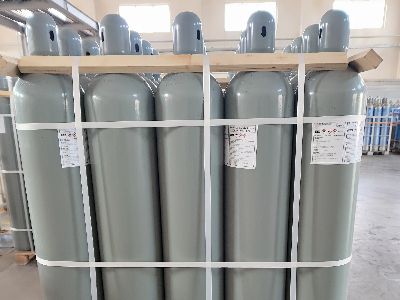
Ethylene Oxide (EtO) sterilization is a widely used method in medical and industrial applications due to its effectiveness in killing bacteria, viruses, and other pathogens. However, as with any industrial gas, there are specific gas specifications and safety guidelines that must be adhered to for both operational efficiency and regulatory compliance. This article will address critical factors that B2B buyers, including purchasing managers and engineers, should consider when selecting ethylene oxide (EtO) sterilization solutions, ensuring they make informed decisions that align with their operational needs.
Choosing the Right Ethylene Oxide (EtO) Sterilization Supplier
Selecting the right supplier for Ethylene Oxide (EtO) requires careful consideration of several factors. First, buyers should assess the supplier's expertise in gas manufacturing and their experience in the sterilization industry. A supplier like AIR GAS ELECTRONIC MATERIALS (AGEM), known for its rigorous quality control processes and RD capabilities, can provide not only the gas but also valuable insights into safe handling and application.
Buyers should also evaluate the supplier's compliance with industry regulations and certifications relevant to Ethylene Oxide (EtO) production and distribution. This includes understanding the supplier's quality assurance measures, such as regular inspections and testing protocols that ensure the gas meets required specifications. Additionally, the supplier's geographical reach and ability to handle bulk orders are vital to ensure timely delivery and consistent supply.
Ethylene Oxide (EtO) Gas Specifications for Industrial Use
Ethylene Oxide (EtO) used in sterilization typically comes with specific gas specifications that must be met to ensure effectiveness and safety. Important parameters include purity levels, which should be at least 99.5% for effective sterilization. Impurities can significantly affect both the sterilization process and the safety of the equipment used.
Another critical specification is the moisture content of the gas, which should be controlled to prevent hydrolysis reactions that can produce harmful byproducts. Buyers should request detailed specifications from their suppliers, including data sheets that outline the gas's chemical composition and any relevant handling precautions. Understanding these specifications allows for better alignment with operational requirements and helps mitigate risks associated with improper gas handling.
Quality Control Measures for Ethylene Oxide (EtO) Solutions
Quality control is paramount when sourcing Ethylene Oxide (EtO) for industrial use. Effective measures include routine testing for purity, gas composition, and moisture levels. Suppliers like AGEM implement strict quality assurance protocols, ensuring that each batch of ethylene oxide gas undergoes thorough testing before it reaches the customer.
Buyers should inquire about the specific quality control processes their suppliers utilize, including any certifications or standards they adhere to, such as ISO certifications. Additionally, they should consider the supplier's history of compliance with safety regulations and their procedures for managing any quality issues that arise during production or distribution. Understanding these measures helps buyers ensure they are receiving a consistent and safe product.
Where to Source Ethylene Oxide (EtO) for Bulk Orders?
When sourcing Ethylene Oxide (EtO) for bulk orders, it is crucial to consider suppliers with proven capabilities in handling large volumes. AGEM’s experience across six global regions is beneficial for companies requiring reliable supply chains. Buyers should assess the supplier’s production capacity and lead times to ensure they can meet their demands.
Moreover, buyers should explore any customization options available for bulk orders. This could include specific packaging solutions tailored to meet transportation and storage needs. Understanding the minimum order quantities (MOQs) and pricing structures is also essential, as this impacts budgeting and inventory management.
Common Challenges in Ethylene Oxide (EtO) Sterilization and Solutions
Ethylene Oxide (EtO) sterilization, while effective, presents several challenges that buyers should be aware of. One common issue is the potential for residual gas, which can pose safety risks if not properly managed. To address this, manufacturers must implement thorough aeration processes to ensure that residual EtO is eliminated before products are released for use.
Another challenge is the compatibility of Ethylene Oxide (EtO) with various materials used in packaging and medical devices. Buyers should confirm that the materials being sterilized can withstand the ethylene oxide process without compromising their integrity. This understanding is vital for ensuring that the sterilization process does not inadvertently damage the items being treated.
By being informed about these challenges and discussing them with their suppliers, buyers can develop strategies to mitigate risks and ensure successful sterilization outcomes. Working with an experienced supplier can provide valuable insights and recommendations tailored to specific application needs.
Understanding the specifications, quality control measures, and potential challenges associated with Ethylene Oxide (EtO) sterilization is essential for B2B buyers. By choosing a reliable supplier and being informed about the key considerations, purchasing managers and engineers can make better decisions that enhance their sterilization processes and overall operational efficiency.
Table of Contents
- Ethylene Oxide (EtO) Sterilization: Gas Specifications and Safety Guidelines
- Choosing the Right Ethylene Oxide (EtO) Sterilization Supplier
- Ethylene Oxide (EtO) Gas Specifications for Industrial Use
- Quality Control Measures for Ethylene Oxide (EtO) Solutions
- Where to Source Ethylene Oxide (EtO) for Bulk Orders?
- Common Challenges in Ethylene Oxide (EtO) Sterilization and Solutions