
 EN
EN
 AR
AR
 CS
CS
 DA
DA
 NL
NL
 FI
FI
 FR
FR
 DE
DE
 EL
EL
 IT
IT
 JA
JA
 KO
KO
 NO
NO
 PL
PL
 PT
PT
 RO
RO
 RU
RU
 ES
ES
 TL
TL
 ID
ID
 SK
SK
 SL
SL
 UK
UK
 VI
VI
 TH
TH
 TR
TR
 AF
AF
 MS
MS
 SW
SW
 GA
GA
 CY
CY
 BE
BE
 KA
KA
 LO
LO
 LA
LA
 MI
MI
 MR
MR
 MN
MN
 NE
NE
 UZ
UZ

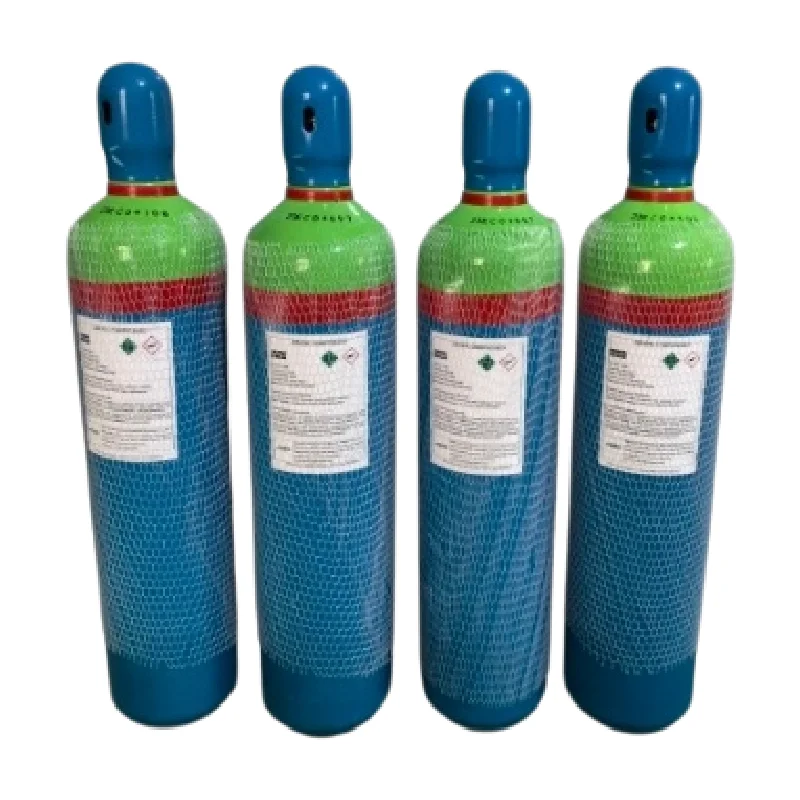
Excimer laser gas plays a critical role in enhancing precision in semiconductor lithography, a process essential for producing integrated circuits and microchips. As the demand for smaller, more powerful semiconductor devices grows, so does the need for high-precision lithography techniques. This article will explore how excimer laser gas contributes to achieving this precision, key considerations for buyers, supplier evaluations, installation guidance, and its applications in advanced semiconductor processes.
How Excimer Laser Gas Enhances Precision in Lithography Applications
Excimer laser gas, commonly composed of a mixture of noble gases and halogens, is crucial in photolithography due to its ability to produce high-energy ultraviolet (UV) light. This light is used to etch intricate patterns onto semiconductor wafers, enabling the production of smaller and more complex circuit designs. The precision of the lithography process is heavily reliant on the quality of the excimer laser gas used.
One of the key advantages of excimer laser gas is its short wavelength, typically around 193 nm or 248 nm, which allows for finer resolution compared to traditional lithography methods. This capability ensures that features on semiconductor wafers can be produced at nanometer scales. Furthermore, the consistency and purity of the excimer laser gas directly influence the stability and output of the laser system, leading to higher yield rates in the manufacturing process.
For buyers, understanding the importance of gas purity and composition is vital. Impurities can lead to unwanted reactions, affecting the quality of the etched patterns and ultimately impacting the performance of the semiconductor devices.
What to Consider
When selecting excimer laser gas, buyers should consider several important factors to ensure optimal performance in their lithography processes:
Purity Levels: High-purity excimer laser gas is essential to prevent contamination during the lithography process. Buyers should verify the specified purity levels, typically above 99.999%, to ensure consistent performance.
Gas Composition: The specific blend of gases affects the laser output. Buyers should consult with suppliers to understand the optimal gas mixtures for their specific lithography systems and applications.
Compatibility: It’s crucial to ensure that the chosen excimer laser gas is compatible with the existing manufacturing equipment. Buyers should confirm compatibility to avoid operational issues and additional costs.
Supplier Reputation: Evaluating the supplier's experience and track record in providing excimer laser gases is vital. A reputable supplier will have established quality control processes and testing protocols, ensuring reliability and consistency in supply.
Regulatory Compliance: Depending on the region, certain gases may be subject to environmental regulations. Buyers should confirm that their suppliers adhere to these standards to avoid legal complications.
Comparing Excimer Laser Gas Suppliers for Quality Assurance
When evaluating potential suppliers of excimer laser gas mixtures, quality assurance should be a primary focus. Here are key aspects to consider during the comparison process:
Quality Control Processes: Investigate the supplier's quality management systems. Look for certifications such as ISO 9001, which demonstrate a commitment to quality and continuous improvement.
Testing Protocols: Reliable suppliers conduct rigorous testing of their gases to ensure they meet specified purity and performance standards. Inquire about their testing methods and any available documentation.
Delivery and Logistics: Assess the supplier's ability to deliver on time and manage logistics effectively. Delays in gas supply can halt production, so a supplier with a reliable delivery schedule is crucial.
Customization Capabilities: Some applications may require specialized gas blends. Suppliers that offer customization can better meet specific requirements, enhancing the overall efficiency of the lithography process.
Technical Support: A supplier that provides technical assistance can be invaluable. This support can include help with installation, troubleshooting, and optimizing gas usage for different lithography systems.
Installation Guidance for Excimer Laser Gas Systems in Manufacturing
Proper installation of excimer laser gas systems is critical for ensuring optimal performance and safety in manufacturing environments. Here are essential guidelines for installation:
Site Preparation: Ensure that the installation area is compliant with safety regulations and equipped with necessary safety equipment, such as gas monitoring systems. Adequate ventilation should also be in place to handle gas emissions.
Equipment Compatibility: Confirm that all components of the laser system are compatible with the excimer lasers gas being used. Mismatched systems can lead to inefficiencies and safety hazards.
System Calibration: After installation, calibrate the laser system according to the manufacturer's specifications. This process is crucial for achieving optimal performance and ensuring the accuracy of the lithography process.
Safety Protocols: Implement safety protocols for handling and storing gases. This includes proper labeling, training for personnel, and emergency procedures in case of gas leaks or other incidents.
Routine Maintenance: Establish a routine maintenance schedule to inspect and maintain the gas delivery systems. Regular checks can prevent issues that could disrupt production.
Applications of Excimer Laser Gas in Advanced Semiconductor Processes
Excimer laser gas is widely utilized in various advanced semiconductor processes beyond traditional lithography. Some notable applications include:
Etching: Excimer lasers are used for etching fine features on semiconductor wafers, providing high precision for creating circuit patterns. This capability is critical as device dimensions shrink.
Photoresist Development: The energy from excimer lasers can initiate chemical reactions in photoresists, enabling the development of complex patterns required for modern semiconductor devices.
Deposition Processes: In thin-film deposition applications, excimer lasers assist in the synthesis of thin layers of materials, essential for creating multi-layered semiconductor structures.
Surface Modification: Excimer lasers can modify the surface properties of materials, enhancing adhesion or altering electrical characteristics, which is crucial for optimizing semiconductor performance.
Xenon chloride excimer laser is a vital component in achieving high precision in semiconductor lithography and other advanced manufacturing processes. By understanding the critical factors related to gas selection, supplier evaluation, installation guidance, and applications, buyers can make informed decisions that enhance their manufacturing efficiency and product quality.
Table of Contents
- How Does Excimer Laser Gas Enhance Precision in Semiconductor Lithography?
- How Excimer Laser Gas Enhances Precision in Lithography Applications
- What to Consider
- Comparing Excimer Laser Gas Suppliers for Quality Assurance
- Installation Guidance for Excimer Laser Gas Systems in Manufacturing
- Applications of Excimer Laser Gas in Advanced Semiconductor Processes