
 EN
EN
 AR
AR
 CS
CS
 DA
DA
 NL
NL
 FI
FI
 FR
FR
 DE
DE
 EL
EL
 IT
IT
 JA
JA
 KO
KO
 NO
NO
 PL
PL
 PT
PT
 RO
RO
 RU
RU
 ES
ES
 TL
TL
 ID
ID
 SK
SK
 SL
SL
 UK
UK
 VI
VI
 TH
TH
 TR
TR
 AF
AF
 MS
MS
 SW
SW
 GA
GA
 CY
CY
 BE
BE
 KA
KA
 LO
LO
 LA
LA
 MI
MI
 MR
MR
 MN
MN
 NE
NE
 UZ
UZ

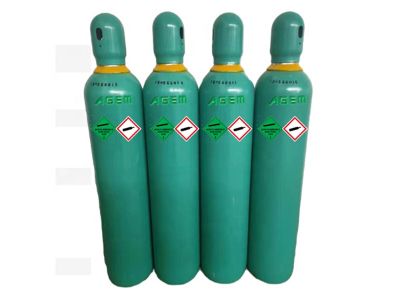
Understanding the key components of ArF and KrF excimer laser gas mixtures is crucial for B2B buyers in the electronics and manufacturing sectors. These gas mixtures, often used in photolithography and other precise applications, have specific requirements that impact performance, quality, and overall cost. This article will provide insights into the key specifications, quality evaluation, sourcing options, common applications, and quality control measures relevant to ArF and KrF excimer lasers gases, helping purchasing managers and engineers make informed decisions.
What Are the Key Specifications of ArF and KrF Excimer Laser Gases?
ArF (Argon Fluoride) and KrF (Krypton Fluoride) excimer laser gases are composed of noble gases and halides, producing ultraviolet light essential for various lithography processes. Key specifications include:
Purity Levels: For optimal performance in laser applications, the purity of the gases must be extremely high, typically above 99.999%. Impurities can lead to reduced efficiency and unwanted byproducts in the laser process.
Gas Mixture Ratios: The ratio of argon or krypton to the halide (fluorine) affects the laser's output wavelength and efficiency. For instance, ArF lasers typically operate at a wavelength of 193 nm, while KrF lasers operate at 248 nm. Buyers need to confirm these ratios based on their specific application requirements.
Pressure and Storage Conditions: Storage pressure is crucial for maintaining gas stability and performance. Standard pressures range from 1 to 10 bar, depending on the application. Understanding the storage conditions will aid in selecting the right gas mixture for your operational needs.
Response Time: The response time of the gas mixture to electrical stimulation can affect the laser's pulse duration and peak power. Buyers should evaluate how these specifications align with their operational requirements.
Understanding these specifications is essential for ensuring that the chosen gas mixture meets the demands of specific applications within the semiconductor manufacturing process.
Evaluating the Quality of ArF and KrF Excimer Laser Gases for Wholesale
When sourcing ArF and KrF excimer laser gases, evaluating quality is paramount. Here are some critical factors to consider:
Quality Certifications: Look for suppliers that adhere to international quality standards (ISO 9001, for example). Certifications indicate that the manufacturer has established quality control systems in place.
Regular Testing and Inspections: Reliable suppliers conduct regular testing of their gas mixtures to ensure they meet specified purity and performance standards. Ask for documentation of testing procedures and results.
Traceability: Good suppliers offer traceability for their products, allowing buyers to verify the origin and quality of the excimer gas. This is particularly important in regulated environments where compliance documentation is required.
Sample Approval: Before placing bulk orders, request samples to evaluate the performance and compatibility of the gas mixtures with your equipment. This will help avoid costly issues during mass production.
By focusing on these quality factors, buyers can mitigate risks and ensure they receive excimer laser gas that meet their operational needs.
Finding Trusted Sources for Excimer Laser Gases
Identifying reliable suppliers for ArF and KrF excimer laser gases is crucial for maintaining production efficiency. Here are some strategies for finding trusted sources:
Industry Reputation: Research suppliers within the industry. Look for reviews, case studies, and client testimonials to gauge their reputation. Companies with a long-standing presence and positive feedback are often more reliable.
Specialization: Choose suppliers that specialize in electronic and specialty gases. Companies like AIR GAS ELECTRONIC MATERIALS (AGEM) focus explicitly on these products, ensuring they have the necessary expertise and resources.
Global Presence: Suppliers with a global footprint may offer better support and logistics options, ensuring timely delivery and service. Consider suppliers that have experience in your specific region or market.
Technical Support: Look for suppliers that provide technical assistance and advice on gas mixture selection, application, and quality assurance. A knowledgeable supplier can be a valuable resource in optimizing your processes.
By leveraging these strategies, buyers can establish relationships with trustworthy suppliers, ensuring consistent quality and reliability in their gas supply.
Common Application Scenarios for ArF and KrF Excimer Laser Gases
ArF and KrF excimer laser gases are utilized in various applications, primarily within the semiconductor manufacturing industry. Common scenarios include:
Photolithography: Both ArF and KrF lasers are integral to photolithography processes, where they are used to etch patterns onto silicon wafers. The choice between ArF and KrF typically depends on the feature size required for the technology node.
Microelectronics: In microelectronics manufacturing, these lasers are employed for creating fine structures in chips, enabling the production of smaller, more powerful devices.
Medical Applications: Beyond electronics, KrF lasers have applications in medical procedures, such as laser-assisted surgeries, due to their precision and control.
Research and Development: Both gases are also used in R&D environments for developing new materials and techniques in photonics and laser applications.
Understanding these application scenarios will guide buyers in selecting the right gas for their specific needs, ensuring that they achieve the desired outcomes in their projects.
How AGEM Ensures Quality Control in Excimer Laser Gas Production?
At AIR GAS ELECTRONIC MATERIALS (AGEM), quality control is a cornerstone of our production process for excimer laser gases. We implement rigorous measures to ensure that every batch meets the highest standards:
Comprehensive Quality Management System: Our production complies with strict quality management protocols, ensuring that each gas mixture is produced consistently and reliably.
Frequent Testing: Regular inspections and testing of the gas mixtures are conducted to verify purity and performance parameters. This includes gas chromatography and mass spectrometry to analyze composition.
Experienced R&D Team: Our research and development team continuously evaluates and improves our production methods and gas formulations, keeping us at the forefront of industry standards and performance requirements.
Customer Feedback Integration: We actively solicit feedback from our clients to identify areas for improvement and adapt our products to better meet market needs.
By prioritizing quality control throughout the production process, AGEM ensures that our ArF and KrF excimer laser gases meet the rigorous demands of our clients across various applications.
Table of Contents
- What Are the Key Components of ArF and KrF Excimer Laser Gas Mixtures?
- What Are the Key Specifications of ArF and KrF Excimer Laser Gases?
- Evaluating the Quality of ArF and KrF Excimer Laser Gases for Wholesale
- Finding Trusted Sources for Excimer Laser Gases
- Common Application Scenarios for ArF and KrF Excimer Laser Gases
- How AGEM Ensures Quality Control in Excimer Laser Gas Production?