
 EN
EN
 AR
AR
 CS
CS
 DA
DA
 NL
NL
 FI
FI
 FR
FR
 DE
DE
 EL
EL
 IT
IT
 JA
JA
 KO
KO
 NO
NO
 PL
PL
 PT
PT
 RO
RO
 RU
RU
 ES
ES
 TL
TL
 ID
ID
 SK
SK
 SL
SL
 UK
UK
 VI
VI
 TH
TH
 TR
TR
 AF
AF
 MS
MS
 SW
SW
 GA
GA
 CY
CY
 BE
BE
 KA
KA
 LO
LO
 LA
LA
 MI
MI
 MR
MR
 MN
MN
 NE
NE
 UZ
UZ

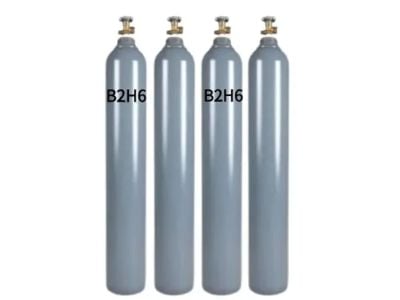
BCL gas plays a crucial role in plasma etching, a key process in semiconductor manufacturing. Understanding its specifications, sourcing reliable suppliers, and evaluating costs are essential for purchasing managers and engineers looking to optimize production. This article will guide you through critical considerations regarding BCL gas cylinders in plasma etching, ensuring that you make informed decisions for your semiconductor fabrication processes.
Evaluating BCL Gas Specifications for Quality and Performance
When evaluating BCL gas for plasma etching, several specifications warrant attention. The purity level is paramount; higher purity gases minimize contamination risks, which can adversely affect etching quality and yield. Typically, semiconductor manufacturers seek BCL gas with a purity level of 99.999% or higher.
Another crucial specification is the gas's delivery method and pressure. Different etching processes may require specific flow rates and pressures for optimal performance. Inconsistent gas delivery can lead to variations in etching rates, impacting the precision of the semiconductor components being produced. Buyers should confirm that the gas specialty supplier can provide the necessary pressures and flow rates consistent with their equipment specifications.
Additionally, understanding the stability of BCL gas over time is vital. Gases that degrade or react with moisture or other environmental factors can compromise the etching process. Therefore, check for certifications or testing results that demonstrate the gas's stability under varying conditions.
Where to Source Reliable BCL Gas Suppliers for Your Needs?
Sourcing BCL gas requires careful consideration of supplier reliability and service quality. Start by identifying suppliers with a proven track record in the semiconductor industry. Look for companies like AIR GAS ELECTRONIC MATERIALS (AGEM) that specialize in specialty gases and have robust quality control processes. Such companies often provide regular inspections and testing, ensuring that the BCL gas meets the necessary specifications.
Networking within industry-specific forums and attending trade shows can also yield valuable supplier leads. Engaging with peers can provide insights into supplier performance and reliability. Additionally, consider suppliers with global capabilities, as they may offer better logistics and support for bulk orders.
When evaluating potential suppliers, request documentation on their quality control processes, including any certifications they hold. This documentation serves as a benchmark for assessing their commitment to product quality and reliability.
Cost Factors to Consider When Purchasing BCL Gas in Bulk
Pricing for BCL gas can vary widely based on several factors. First, the purity level significantly influences cost; higher purity gases command a premium price due to the rigorous processing and quality assurance involved.
Next, consider the volume of gas needed. Bulk purchases often come with cost advantages, but be mindful of the Minimum Order Quantity (MOQ) requirements set by suppliers. Understanding your consumption rates and aligning them with supplier MOQ can help maximize cost-effectiveness.
Shipping and packaging also impact overall costs. Suppliers may offer different packaging methods, such as cylinders or bulk tanks, which can affect transportation costs and ease of handling. It’s wise to factor in these logistical considerations when calculating total expenses.
Lastly, always ask about potential discounts for long-term contracts or repeat orders. Establishing a solid relationship with a supplier can lead to advantageous pricing structures.
Installation Guidance for Optimal Use of BCL Gas in Etching
Proper installation of BCL gas systems is essential for achieving optimal performance in plasma etching. First, ensure that all equipment is compatible with the gas specifications. This includes verifying that pressure regulators, flow meters, and valves are rated for the specific laser gas and its delivery pressure.
Before installation, conduct a thorough inspection of the gas delivery system to identify any potential leaks or contamination points. A leak in the system can lead to inaccurate flow rates and compromised etching quality. Use appropriate leak detection methods, such as soap solutions or electronic leak detectors, to confirm system integrity.
Once installed, monitor the gas flow and pressure consistently. Employing advanced monitoring systems can help track performance metrics in real-time, alerting operators to any deviations that may affect the etching process. Regular maintenance checks are essential to ensure sustained performance and reliability.
Understanding the Role of BCL Gas in Semiconductor Fabrication
BCL gas is integral to the plasma etching process in semiconductor fabrication, facilitating the precise removal of material from silicon wafers. It contributes to achieving the required etch profiles and dimensions necessary for modern semiconductor devices. The effectiveness of BCL gas in etching is attributed to its chemical properties, which allow for selective etching and minimal damage to the underlying substrate.
The choice of BCL gas composition can significantly influence the etching rate and selectivity. For instance, variations in the gas mixture can enhance etching performance for specific materials or structures on the wafer. Understanding these nuances is crucial for engineers aiming to optimize their fabrication processes.
Additionally, the role of BCL gas extends beyond just etching. It can also play a part in cleaning processes and surface preparation, making it a versatile component in semiconductor manufacturing. Therefore, a comprehensive understanding of BCL gas and its applications can lead to improved production efficiency and product quality.
By carefully considering these aspects, semiconductor manufacturers can leverage BCL gas to enhance their fabrication processes, ultimately leading to higher-quality semiconductor products.
Table of Contents
- BCL Gas in Plasma Etching: What Semiconductor Manufacturers Need to Know
- Evaluating BCL Gas Specifications for Quality and Performance
- Where to Source Reliable BCL Gas Suppliers for Your Needs?
- Cost Factors to Consider When Purchasing BCL Gas in Bulk
- Installation Guidance for Optimal Use of BCL Gas in Etching
- Understanding the Role of BCL Gas in Semiconductor Fabrication