
 EN
EN
 AR
AR
 CS
CS
 DA
DA
 NL
NL
 FI
FI
 FR
FR
 DE
DE
 EL
EL
 IT
IT
 JA
JA
 KO
KO
 NO
NO
 PL
PL
 PT
PT
 RO
RO
 RU
RU
 ES
ES
 TL
TL
 ID
ID
 SK
SK
 SL
SL
 UK
UK
 VI
VI
 TH
TH
 TR
TR
 AF
AF
 MS
MS
 SW
SW
 GA
GA
 CY
CY
 BE
BE
 KA
KA
 LO
LO
 LA
LA
 MI
MI
 MR
MR
 MN
MN
 NE
NE
 UZ
UZ

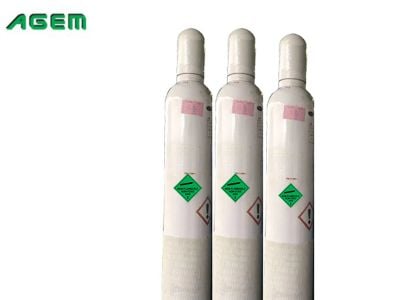
In the fishery industry, maintaining product freshness is crucial for both quality and safety. Reliable carbon monoxide (CO) supply is vital for processes such as fish preservation and storage. As a B2B buyer, you may have concerns about product quality, regulatory compliance, and the supplier's reliability. This article will guide you through the key aspects of selecting a dependable CO supply for the fishery industry, helping you make informed purchasing decisions.
How to Choose Reliable CO Supply for the Fishery Industry?
When selecting a CO supply for the fishery industry, several critical factors should be evaluated. First and foremost, assess the supplier's quality control processes. A reputable supplier, like AIR GAS ELECTRONIC MATERIALS (AGEM), will implement rigorous testing and inspections to ensure the gas meets industry specifications.
Next, consider the gas purity level. CO used in food applications must meet stringent safety standards to prevent contamination. Verify that the supplier can provide documentation of purity testing and compliance with local regulations. Additionally, inquire about the supplier's storage and transportation methods. Proper handling of CO is essential to maintain quality and safety.
Finally, evaluate the supplier's experience in the fishery sector. A supplier with a solid track record in this industry will understand the specific requirements and challenges associated with CO applications, allowing them to provide tailored solutions.
Top Suppliers for CO in Fishery Applications
In the market for CO supply, several suppliers stand out for their reliability and industry expertise. These suppliers not only provide high-quality gases but also offer tailored solutions for the fishery industry.
AIR GAS ELECTRONIC MATERIALS (AGEM): A Taiwan-based company specializing in specialty gases, AGEM is known for its rigorous quality control processes and commitment to product excellence. Their extensive expertise in gas manufacturing ensures that customers receive reliable and safe CO supply for various applications.
Linde Gas: As a major player in the gases industry, Linde offers a wide range of CO solutions tailored for food preservation. Their global presence and comprehensive service network make them a trustworthy option for fisheries.
Air Products and Chemicals, Inc.: With a strong emphasis on food safety, Air Products provides high-purity CO solutions. Their focus on customer support and industry knowledge helps fisheries optimize their gas usage effectively.
When evaluating potential suppliers, consider their certifications, customer reviews, and industry partnerships to ensure you select a reliable partner for your CO supply needs.
Quality and Cost Factors Explained
Quality and cost are two intertwined factors that significantly impact your CO supply decision. High-quality CO is essential for maintaining the freshness of fish products, and any compromise on quality can lead to spoilage or contamination. Consequently, it is crucial to ensure that the supplier adheres to industry standards and provides documentation for quality assurance.
When it comes to cost, remember that the lowest price may not always equate to the best value. Factors like gas purity, supplier reputation, and customer service can affect pricing. In many cases, spending a bit more on a reputable supplier can save you money in the long run by preventing spoilage and ensuring compliance with safety regulations.
Consider the total cost of ownership when evaluating suppliers, including delivery charges, storage requirements, and any potential costs associated with quality control measures. This comprehensive approach will help you make a more informed purchasing decision.
Understanding the Installation Process for CO Solutions in Fisheries
Installing CO solutions in fisheries requires careful planning and execution to ensure safety and efficiency. Here are some key considerations:
Site Assessment: Before installation, conduct a thorough assessment of the facility to identify the most suitable locations for gas delivery and storage. Consider factors such as ventilation, accessibility, and proximity to processing areas.
Equipment Compatibility: Ensure that the equipment used for CO application is compatible with the gas supply. This includes checking for proper fittings, gauges, and safety devices to prevent leaks.
Training and Safety Protocols: Provide training for staff on handling CO and implementing safety protocols during installation and usage. This is critical not only for compliance with regulations but also for ensuring personnel safety.
Regular Maintenance: Establish a maintenance schedule for the CO supply system to ensure it operates efficiently. Regular inspections and testing will help identify potential issues early on, minimizing downtime and maximizing safety.
By taking these steps, you can ensure a smooth installation process that meets regulatory requirements and maintains the integrity of your fishery operations.
Common Problems with CO Supply and Effective Solutions
While CO supply is essential for the fishery industry, common issues can arise that may affect operations. Here are a few challenges and their solutions:
Supply Interruptions: Unexpected disruptions in CO supply can lead to product spoilage. To mitigate this risk, establish a reliable relationship with your supplier and consider having backup suppliers or inventory on hand.
Gas Quality Issues: If the CO supplied does not meet purity standards, it can compromise product safety. Always request quality certificates and conduct your own testing when possible. Partnering with a trusted supplier like AGEM, which emphasizes rigorous quality control, can help minimize this risk.
Equipment Compatibility Problems: Incompatibility between CO delivery systems and existing equipment can lead to operational inefficiencies or safety hazards. Before purchasing, consult with your supplier to ensure that the gas delivery system is compatible with your facility's existing infrastructure.
Regulatory Compliance: Fisheries must adhere to strict regulations regarding food safety and gas usage. Stay informed about local regulations and work closely with your supplier to ensure compliance, which may include regular audits or inspections.
By being proactive in addressing these common issues, you can maintain a reliable and safe CO supply, ensuring the continued success of your fishery operations.
Table of Contents
- Reliable and Safe CO Supply: FreshKeeping Solutions Tailored for the Fishery Industry
- How to Choose Reliable CO Supply for the Fishery Industry?
- Top Suppliers for CO in Fishery Applications
- Quality and Cost Factors Explained
- Understanding the Installation Process for CO Solutions in Fisheries
- Common Problems with CO Supply and Effective Solutions