
 EN
EN
 AR
AR
 CS
CS
 DA
DA
 NL
NL
 FI
FI
 FR
FR
 DE
DE
 EL
EL
 IT
IT
 JA
JA
 KO
KO
 NO
NO
 PL
PL
 PT
PT
 RO
RO
 RU
RU
 ES
ES
 TL
TL
 ID
ID
 SK
SK
 SL
SL
 UK
UK
 VI
VI
 TH
TH
 TR
TR
 AF
AF
 MS
MS
 SW
SW
 GA
GA
 CY
CY
 BE
BE
 KA
KA
 LO
LO
 LA
LA
 MI
MI
 MR
MR
 MN
MN
 NE
NE
 UZ
UZ

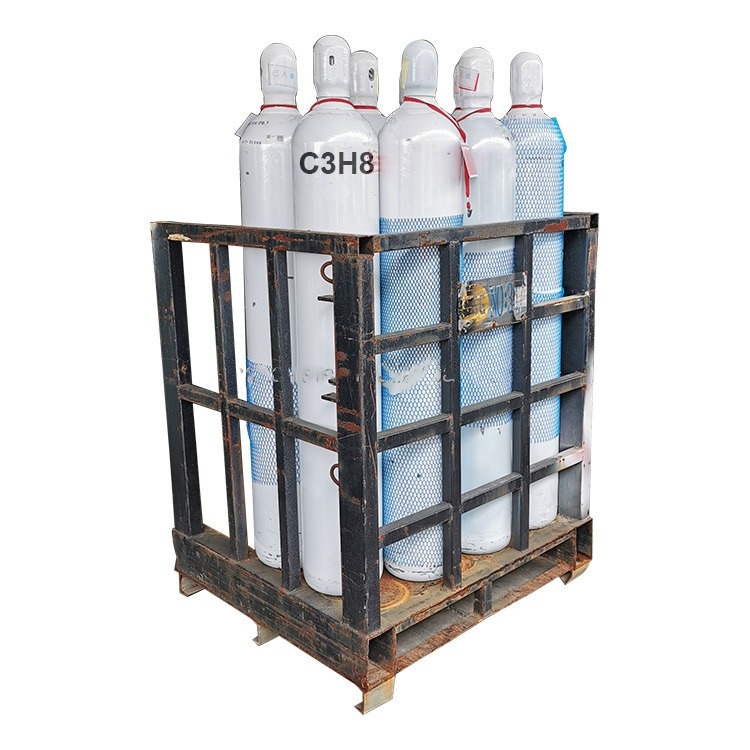
Germanium Tetrahydride (GeH) is a critical precursor in semiconductor epitaxy, playing a vital role in the production of high-performance electronic devices. For B2B buyers, including purchasing managers and engineers, understanding the specifications, quality, and supplier choices for GeH is essential in ensuring optimal performance in semiconductor applications. This article will guide you through key specifications, supplier selection criteria, quality evaluation, cost factors, and installation guidelines for Germanium Tetrahydride in semiconductor epitaxy.
Key Specifications of Germanium Tetrahydride for Semiconductor Use
When selecting Germanium Tetrahydride (GeH4) for semiconductor epitaxy, several specifications must be considered to ensure compatibility and performance. The purity level is one of the most critical factors; semiconductor-grade GeH typically requires a purity of 99.9999% or higher. Impurities can significantly impact the electrical properties of semiconductor materials, leading to performance degradation.
Another important specification is the delivery method. GeH can be supplied in various forms, such as gas cylinders or liquid delivery systems, depending on the application. The choice of delivery system affects the deposition process during epitaxy. Additionally, the gas flow rate and pressure must be carefully controlled to achieve the desired deposition rates and uniformity across the substrate.
Temperature stability is also crucial. Germanium Tetrahydride should have a stable vapor pressure at operational temperatures to prevent fluctuations during the epitaxy process. Buyers should confirm that the supplier can provide data sheets detailing these specifications to ensure that the material meets their specific application requirements.
How to Choose the Right Supplier for Germanium Tetrahydride
Selecting a reliable supplier for Germanium Tetrahydride involves several key considerations. First, evaluate the supplier's experience and reputation within the semiconductor industry. Companies like AIR GAS ELECTRONIC MATERIALS (AGEM), with a focus on specialty gases and a rigorous quality control process, can provide confidence in product quality.
Next, consider the supplier's ability to meet specific customization needs. Depending on your application, you may require specific packaging, delivery formats, or even tailored purity levels. A supplier with a strong R&D capability can often accommodate unique requirements.
Additionally, assess the supplier's distribution network and delivery timelines. Ensure they can meet your logistical needs, particularly for bulk orders, without compromising quality. Finally, request samples to evaluate the product's performance under your specific operational conditions before committing to larger orders.
Evaluating the Quality of Germanium Tetrahydride Products
Quality evaluation of Germanium Tetrahydride is essential for ensuring that it meets the stringent requirements of semiconductor manufacturing. Buyers should begin by reviewing the supplier's quality control processes, including how they test and verify purity levels. This may involve gas equipment chromatography or mass spectrometry to detect impurities.
It's also advisable to establish a quality assurance protocol for incoming materials. This can include visual inspections, verification of certificates of analysis (CoA), and testing samples to confirm performance characteristics before full-scale use.
Another aspect to consider is the supplier's compliance with industry standards and regulations. Certifications such as ISO9001 can indicate a commitment to maintaining high-quality manufacturing processes. Regular audits and inspections by third-party entities can further enhance trust in the supplier's quality assurance practices.
Cost Factors for Bulk Orders of Germanium Tetrahydride
When planning bulk orders of Germanium Tetrahydride, several cost factors should be considered. The price per unit may decrease with larger orders due to economies of scale, but buyers should also factor in additional costs such as shipping, storage, and handling.
Transportation costs can vary significantly based on distance, delivery method, and the supplier's logistics capabilities. For instance, gas cylinders may incur higher shipping costs than bulk liquid deliveries, which might be more efficient for large-scale operations.
It's also wise to account for potential price fluctuations in raw materials and market demand. Suppliers may offer price locks or contracts to mitigate these risks, providing stability in budgeting for ongoing projects. Always request detailed quotes that break down these costs to understand the total financial commitment involved.
Installation Guidelines for Germanium Tetrahydride in Epitaxy
Proper installation of Germanium Tetrahydride systems is critical to ensure safe and effective use in semiconductor epitaxy. Begin by reviewing the manufacturer's recommendations for equipment setup. Ensure that all components, including gas lines, pressure regulators, and delivery systems, are compatible and rated for the specific requirements of GeH.
Before installation, conduct a thorough risk assessment to identify potential hazards associated with handling GeH, which is flammable and toxic. Ensure proper ventilation and safety measures are in place, including gas leak detection systems.
During installation, it is essential to maintain a clean environment to prevent contamination. Any foreign substances can compromise the purity of the GeH and affect the epitaxy process. After installation, perform a system check to verify that all parameters, such as pressure and flow rates, are functioning within the specified ranges before commencing production runs.
By following these guidelines, buyers can ensure that their use of Germanium Tetrahydride in semiconductor epitaxy is both efficient and safe, ultimately contributing to the overall success of their manufacturing processes.
Table of Contents
- Germanium Tetrahydride (GeH) in Semiconductor Epitaxy: A Complete Guide
- Key Specifications of Germanium Tetrahydride for Semiconductor Use
- How to Choose the Right Supplier for Germanium Tetrahydride
- Evaluating the Quality of Germanium Tetrahydride Products
- Cost Factors for Bulk Orders of Germanium Tetrahydride
- Installation Guidelines for Germanium Tetrahydride in Epitaxy