
 EN
EN
 AR
AR
 CS
CS
 DA
DA
 NL
NL
 FI
FI
 FR
FR
 DE
DE
 EL
EL
 IT
IT
 JA
JA
 KO
KO
 NO
NO
 PL
PL
 PT
PT
 RO
RO
 RU
RU
 ES
ES
 TL
TL
 ID
ID
 SK
SK
 SL
SL
 UK
UK
 VI
VI
 TH
TH
 TR
TR
 AF
AF
 MS
MS
 SW
SW
 GA
GA
 CY
CY
 BE
BE
 KA
KA
 LO
LO
 LA
LA
 MI
MI
 MR
MR
 MN
MN
 NE
NE
 UZ
UZ

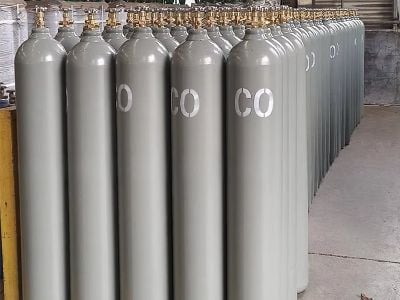
In the seafood industry, preserving freshness and color is essential for maintaining product quality and extending shelf life. Carbon monoxide (CO) has emerged as a proven solution for seafood preservation, effectively retaining the vibrant colors of fish and shellfish while minimizing spoilage. This article addresses the key considerations B2B buyers should keep in mind when selecting CO solutions for seafood preservation, including product specifications, quality assurance processes, and installation guidance.
What to Look for in CO Solutions for Seafood Preservation?
When selecting CO solutions for seafood preservation, buyers should focus on several critical factors. First, the quality of the CO itself is paramount; it must be pure and free from contaminants that could affect the seafood's color or safety. Look for suppliers with rigorous quality control processes, such as regular inspections and testing, to ensure product excellence. Next, consider the application method. CO can be used in various forms, including gas mixtures or liquid solutions, and the choice may depend on your specific preservation needs. Evaluate the compatibility of the CO solution with your existing processing equipment and the expected shelf life of the argon co2 cylinder product. Additionally, manufacturers should be prepared to provide detailed product data, including certification regarding the purity of the gas and its suitability for food applications.
Ensuring Quality for Seafood Applications
Quality assurance is crucial in the seafood industry, where freshness directly impacts consumer satisfaction and safety. Buyers should prioritize CO solutions from reputable manufacturers like AIR GAS ELECTRONIC MATERIALS (AGEM), which emphasizes uncompromised product excellence through rigorous quality control processes. When assessing the quality of CO solutions, verify the manufacturer's compliance with relevant food safety regulations and certifications. This includes adherence to standards set by food safety authorities, which may vary by region. Additionally, request documentation regarding the gas’s origin and processing methods to ensure it meets your quality expectations. Regular audits and third-party testing can further verify the reliability of the supplier's offerings.
Key Specifications for CO Used in Seafood Preservation
Understanding the specifications of CO used in seafood preservation is vital for making informed purchasing decisions. Key specifications to consider include purity levels, concentration ranges, and packaging options. For seafood preservation, high-purity CO (typically above 99.5%) is essential to prevent any potential contamination that could compromise product safety. Moreover, buyers should be aware of the concentration levels used during the preservation process. The effectiveness of CO in retaining color and freshness can depend on the specific concentration applied. It is advisable to consult with the supplier regarding the recommended concentration levels based on the type of argon and co2 tank being preserved. Packaging is another critical specification. CO may be supplied in various forms, such as gas cylinders or bulk tanks. Choose a packaging method that aligns with your operational setup and ensures safe handling and storage. Discuss the potential for customized packaging solutions that meet your specific needs.
Installation Guidance for CO Systems in Seafood Preservation
Proper installation of CO systems is crucial to ensure optimal performance in seafood preservation. Buyers should consider the compatibility of the CO delivery system with their existing infrastructure. Installation typically involves connecting gas cylinders or bulk tanks to a gas distribution system designed for seafood processing. Before installation, it’s important to conduct a thorough site assessment to identify potential challenges, such as space limitations or equipment compatibility. Collaborate with the supplier to create a detailed installation plan that outlines necessary equipment, safety measures, and operational procedures. Training for personnel is also a vital component of the installation process. Ensure that staff members are familiar with safety protocols and operational procedures for handling CO. Regular maintenance and inspection schedules should be established to ensure the system operates efficiently and safely over time.
Evaluating Cost Factors for Wholesale CO Solutions in Seafood
Cost is a significant factor when evaluating wholesale CO solutions for seafood preservation. Buyers should consider not only the initial purchase price but also the total cost of ownership, which includes installation, maintenance, and operational costs. Compare pricing among different suppliers, taking into account the quality of the CO, delivery options, and customer support services. It may be beneficial to request quotes based on specific requirements, such as expected usage levels and packaging preferences. Additionally, inquire about any volume discounts or long-term contract options that could reduce overall costs. Finally, consider the potential impact of CO solutions on the overall operational efficiency and product quality. A higher upfront investment in a reliable CO solution may lead to significant savings in spoilage costs and improved product quality, ultimately enhancing customer satisfaction and loyalty. By understanding the specifications, quality assurance processes, and cost factors associated with CO solutions for argon co2 bottle preservation, B2B buyers can make informed purchasing decisions that align with their operational needs and quality standards.
Table of Contents
- CO for Seafood Preservation: Retain Color and Extend Shelf Life with Proven Solutions
- What to Look for in CO Solutions for Seafood Preservation?
- Ensuring Quality for Seafood Applications
- Key Specifications for CO Used in Seafood Preservation
- Installation Guidance for CO Systems in Seafood Preservation
- Evaluating Cost Factors for Wholesale CO Solutions in Seafood