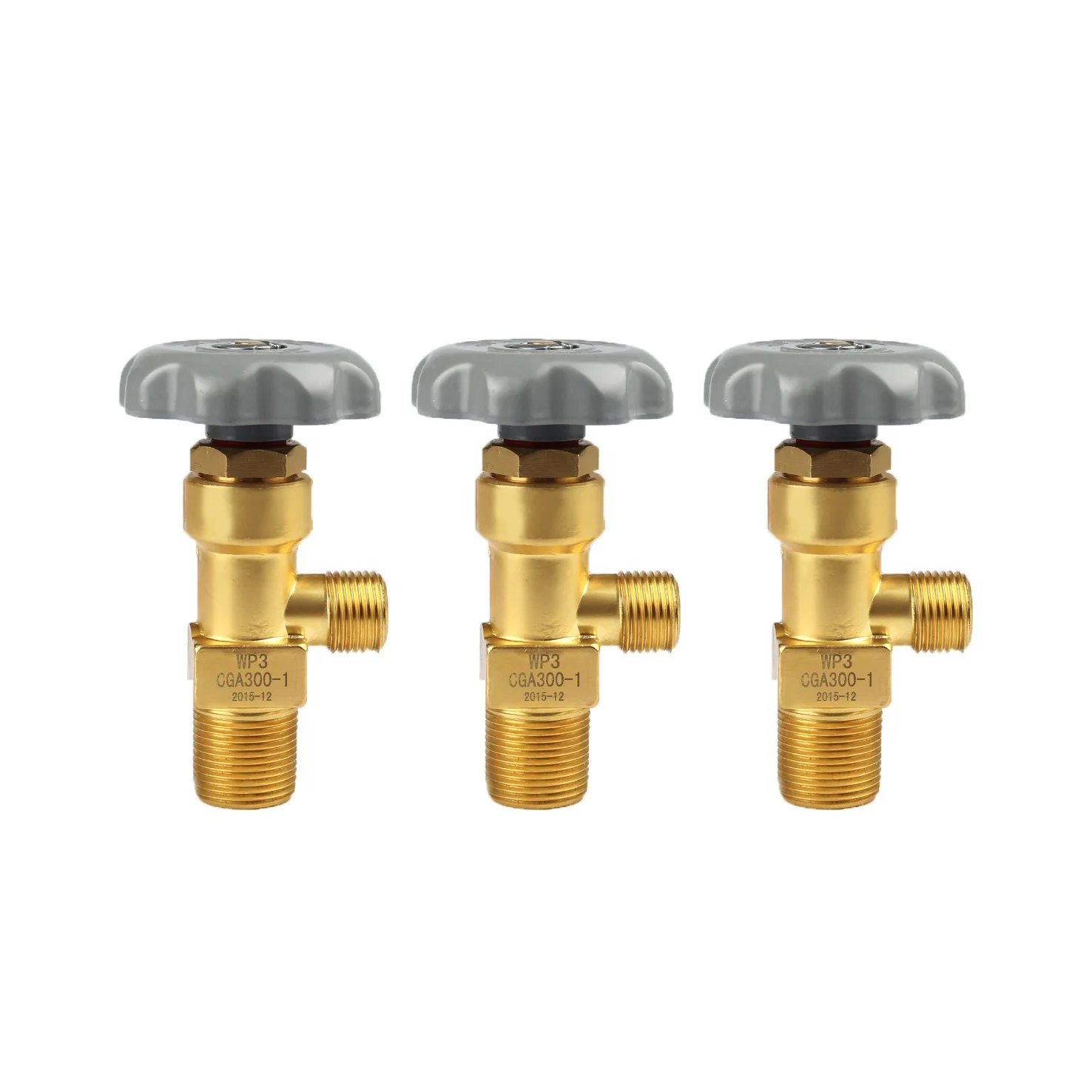
Shay, have you heard of this before? It may sound like a fancy science word, but it is actually pretty cool and important! Liquefied methane is natural gas that has been cooled to an extremely low temperature, transforming it into a liquid. In this lesson, we'll discuss what liquefied methane is what uses we can have of for clean energy how it's good for the environment different ways to use it and how it goes from the ground to our homes.
Liquefied methane is a type of natural gas that occurs deep underground or in the ocean. It is comprised of small pieces called molecules that have carbon and hydrogen. It is one of the cleanest forms of energy we have! Liquefied methane, which is cooled to approximately minus 161 degrees Celsius, is a clear liquid with no smell. This liquid natural gas is easier to transport and store than regular natural gas. That is why it is an excellent option for running homes, automobiles, or even to produce electricity.
On the plus side with liquefied methane, is that it can serve as clean energy. When we burn it, it produces far less pollution than other fossil fuels, such as coal or oil. This enables us to take care of our environment and combat climate change. Companies like AGEM are working hard to look for ways to deploy liquefied methane for clean energy which will be so that we can all have a healthier planet.
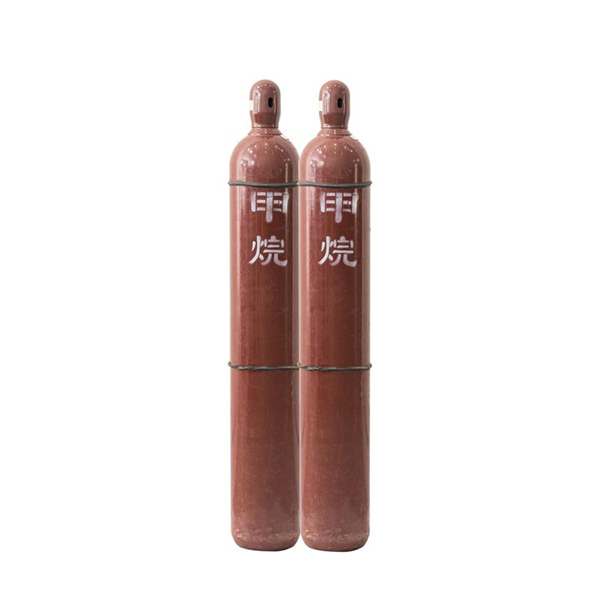
There are many environmental pluses to using liquefied methane for energy. For one, it emits less of the greenhouse gases that contribute to the warming of the planet than many other fossil fuels, which helps make the air cleaner and combat climate change. Then there is the fact that LNG is a renewable resource. This means we cannot run out of it, as we might with some other fossil fuels. The more gas we can liquefy, the more we can do to preserve our planet for future generations.
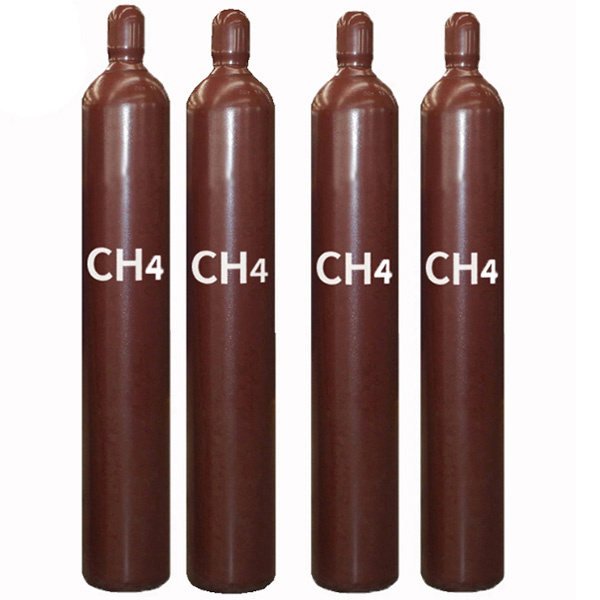
The uses of liquified methane are myriad. It can be used to fuel cars, to heat homes and buildings and even to produce electricity. And as a liquid, liquified methane is easier to move and store than its gaseous cousin, so there are lots of potential uses too. This versatility makes liquid methane a useful commodity which can contribute to our energy requirements in an environmentally acceptable manner.
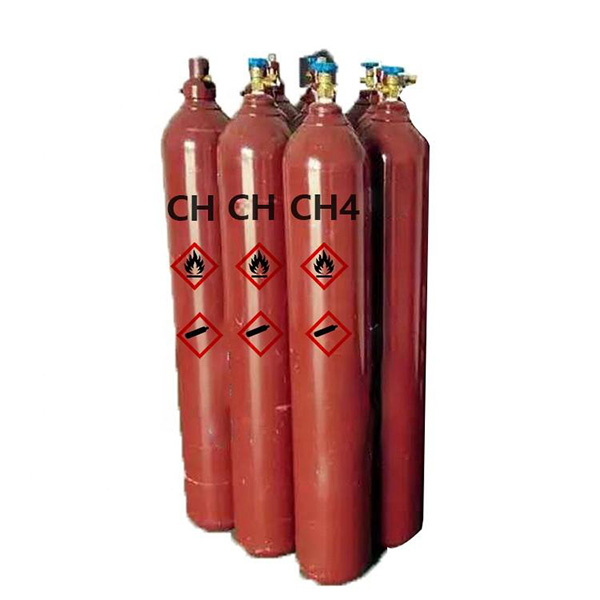
Gaseous methane travels great distances from the rock in which it is kept, below the ground or within the ocean, to the stovetop or factory. It is sucked out with special tools and pipes and then cooled to turn into a liquid. Then it is transported in special tankers to where it is needed. Companies like AGEM are among those helping ensure liquefied methane is safely produced and transported, for everyone around the globe to use this clean and productive form of energy.
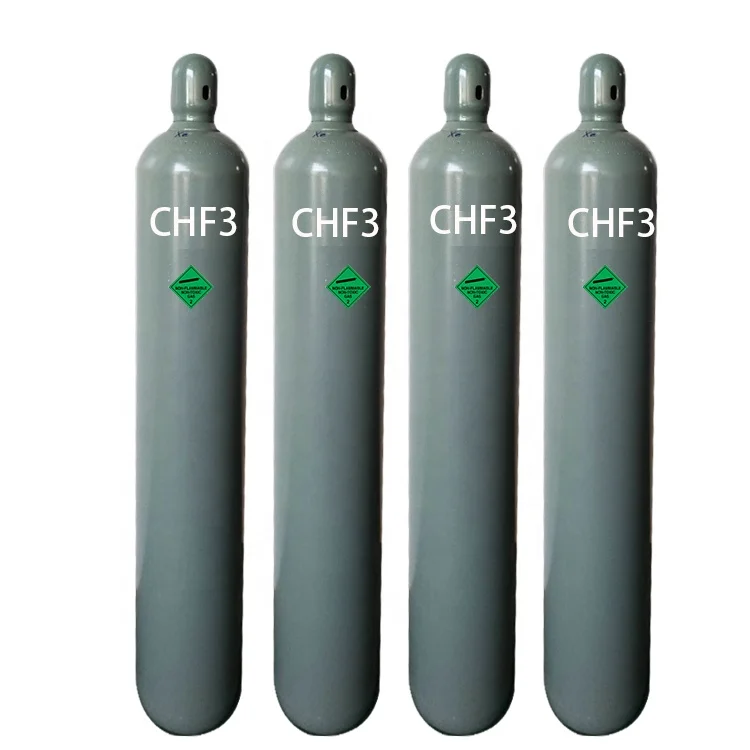
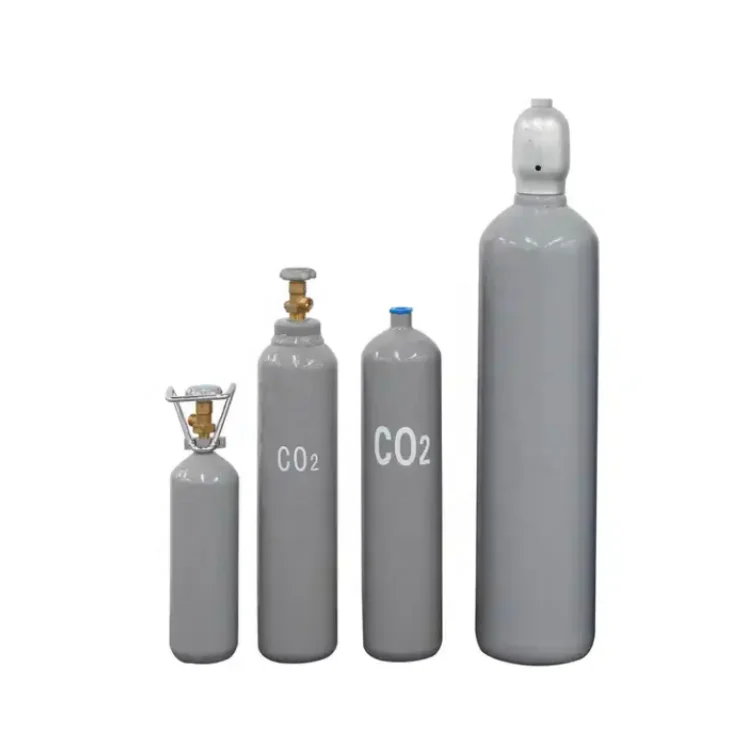
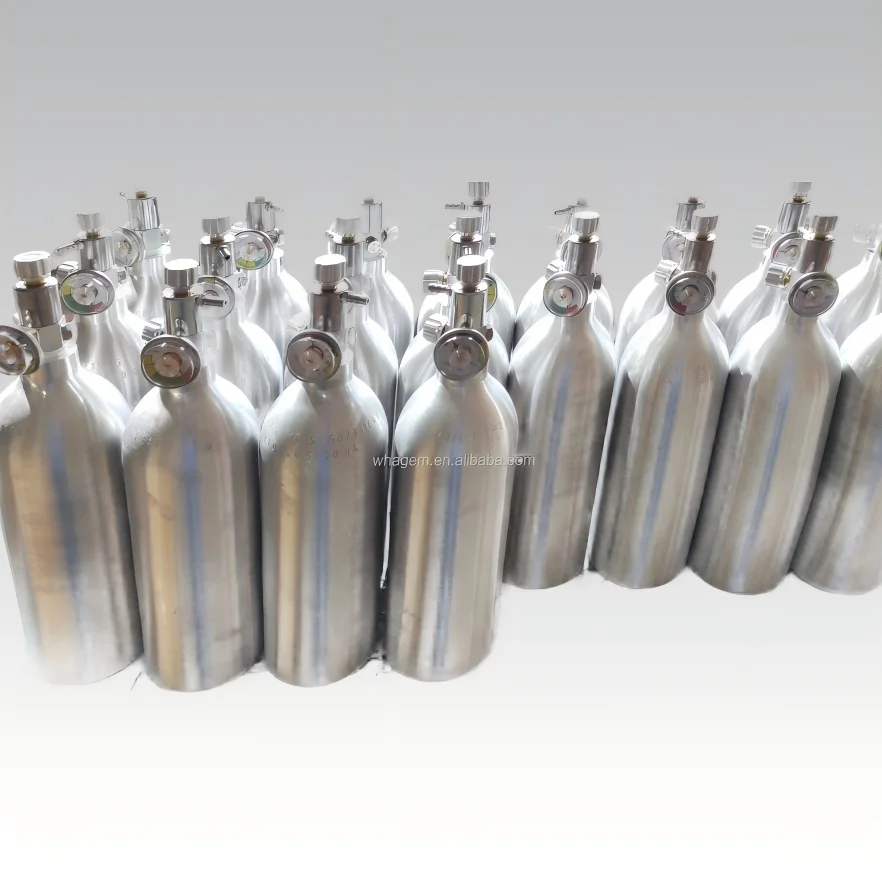
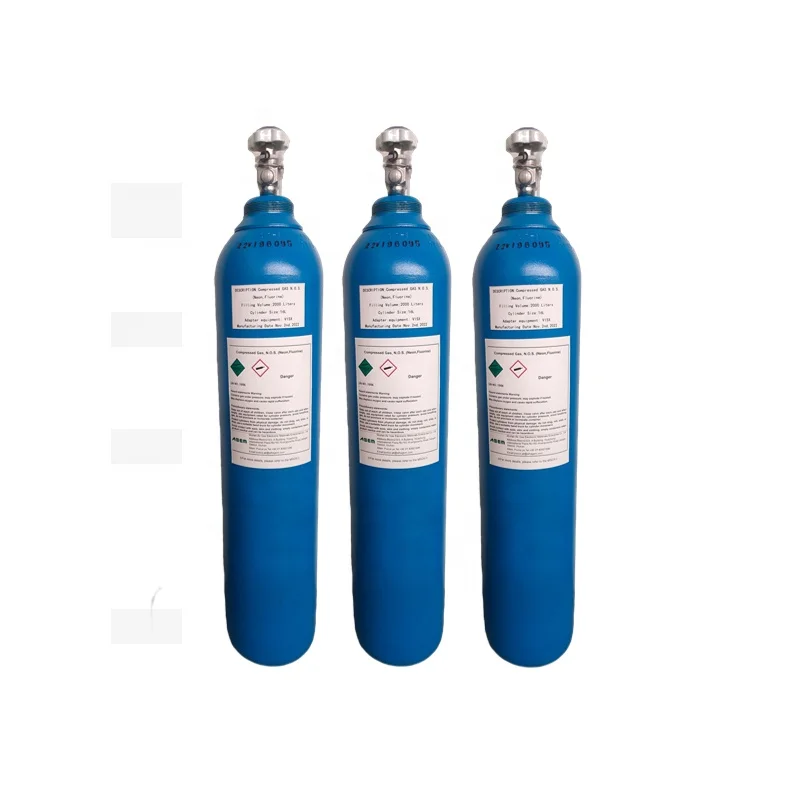
AGEM recognizes that various customers have unique requirements regarding specialty gases, such as calibration gas. We can provide tailored solutions that are tailored to our customers' specific needs. Whether you require a specific purity degree, size of cylinder, or packaging choice, AGEM can work with you to tailor their products according to your precise requirements. This degree of personalization will guarantee that you get the finest gas cylinders to calibrate your specific application, increasing overall efficiency and performance. The AGEM range of products is not just limited to calibration gas. Their catalogue includes Hydrocarbon gas, Chemical gases Halocarbons, Rare gases as well as a myriad of other gases used in research and industry. That means you can rely on AGEM to provide the exact gas you need.
AGEM provides a range of cryogenic cylinders designed for super-cooled gasses and liquids like liquid oxygen and the argon. They can also hold nitrogen, carbon dioxide, and Nitrous. We utilize imported valves and equipment to ensure top performance. Use gas saving device and prioritize the use of tension gas in the gas phase space. Double safety valves are a safe method to ensure the safety of operation.We offer a variety of cryogenic cylinders that can accommodate liquids that are super-cooled and found in daily use.Full Volume: 80L/100L/175L/195L/210L/232L/410L/500L/1000LWork Pressure: 1.37MPa/2.3MPa/2.88MPa/3.45MPaThe Inner Tank Design Temperature is -196Shell Tank Design Temperature: -20oC~+50oCInsulation: Vacuum using Multi-layer WrappedStorage medium: LN2, LO2, LArLCO2, LNG
AGEM is an Gas Manufacturing and R and D plant situated in Taiwan with over 25 years of extensive R and D expertise in this field with unrivalled knowledge of Speciality Electronic Bulk, Calibration and Speciality gases all over the world in six distinct regions:Taiwan - Kaohsiung City (Headquarters, R and D Center)India - Mumbai, Vadodara, Coimbatore, Pune, Bengaluru, DelhiChina - WuhanMiddle East - Dubai (UAE) and Kingdom of Saudi ArabiaUnited Kingdom - CambridgeGas solutions offered by us comprise Technical Consulting. Assembling & Commissioning. Sample Testing. Packing and Shipping. Drawing Design. Manufacturing.
Leaks of liquefied methane tanks can be one of the biggest problems. We test for leaks more than five times to ensure quality. Our company offers a complete production and testing line and the application of rigorous quality control, along with a perfect after-sales service system in order to make sure that clients get top quality products and a full range of services. Our dedication to quality and customer service is something we're very proud of. Our team of highly skilled experts are always on hand to assist you and ensure that your needs are fulfilled. Our 24/7 service sets us apart. We are here for you every day, all the day, every single day.
AIR GAS ELECTRONIC MATERIALS (AGEM)is a Gas Manufacturing and R&D plant placed in Taiwan, having an unparallel expertise in the field of Speciality, Electronic, Bulk and Calibration gases across the globe in 6 different regions
Room1002, A building, Huangzhong international Plaza, No182.Huangxiaohe Road, Jiangan District, Wuhan 430014, China
Copyright © Air Gas Electronic Materials Enterprise Co., Ltd. Privacy Policy
 EN
EN
 AR
AR
 CS
CS
 DA
DA
 NL
NL
 FI
FI
 FR
FR
 DE
DE
 EL
EL
 IT
IT
 JA
JA
 KO
KO
 NO
NO
 PL
PL
 PT
PT
 RO
RO
 RU
RU
 ES
ES
 TL
TL
 ID
ID
 SK
SK
 SL
SL
 UK
UK
 VI
VI
 TH
TH
 TR
TR
 AF
AF
 MS
MS
 SW
SW
 GA
GA
 CY
CY
 BE
BE
 KA
KA
 LO
LO
 LA
LA
 MI
MI
 MR
MR
 MN
MN
 NE
NE
 UZ
UZ